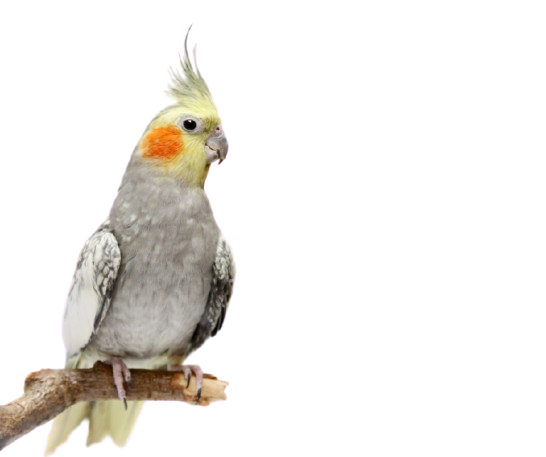
Are cockatiels good pets for children
Are cockatiels good pets for children? Yes, they can be wonderful family companions when the child is mature enough to follow simple handling rules and an adult remains responsible for the bird’s care. Cockatiels are generally social, gentle and interactive, but they are still small, sensitive animals that can become frightened by grabbing, shouting or sudden movements. The best family experience starts with choosing a well-socialized bird and teaching children to respect its space from day one.
Are Cockatiels Good Pets for Children in Everyday Family Life?
One reason I often see families drawn to cockatiels is their size. They are large enough to have a noticeable personality without being an intimidating large parrot. They can whistle, interact with people, sit on a shoulder and become involved in ordinary household routines.
Veterinary sources also describe cockatiels as social, gentle companion birds that can suit families with children when handled appropriately.
But there is a difference between a good family pet and a pet a young child can manage alone.
That distinction is important.
A cockatiel may happily step onto an adult’s finger but become nervous when a child reaches quickly toward it. Children are naturally enthusiastic. They want to touch, hold and show affection. A bird does not always interpret that enthusiasm the same way.
So, are cockatiels good pets for children? In a calm, supervised home, very often yes. The parents still need to be the primary caregivers, though.
Why Cockatiels Can Be Good Family Birds
Cockatiels have several characteristics that make them appealing to families.
They are social and can become attached to the people around them. They also tend to be quieter than many larger parrot species, although “quiet” certainly does not mean silent. A cockatiel may whistle in the morning, call when someone leaves the room, or suddenly decide that the household needs to hear its favorite sound again.
That personality is part of the fun.
They can also give children an opportunity to learn patience and responsibility. A child can help with simple age-appropriate tasks while an adult handles the more important care. Over time, the child begins to understand that animals have routines, preferences and boundaries.
Research and veterinary guidance commonly describe cockatiels as beginner-friendly companion birds, while still emphasizing their need for proper attention and gentle handling.
Are Cockatiels Safe Around Young Children?
They can be, but supervision is essential.
A young child may not understand why grabbing a bird’s tail, touching its wings or putting fingers near its beak is inappropriate. Even a normally gentle cockatiel can bite if it feels threatened.
I always recommend teaching children a few rules before allowing hands-on interaction:
- Approach slowly. No running toward the cage.
- Use a quiet voice. Sudden shouting can startle a bird.
- Never squeeze the bird. Cockatiels are delicate.
- Do not chase the bird. If it moves away, give it space.
- Never disturb it while sleeping or eating.
- Let the bird step onto the hand voluntarily.
- Always have an adult nearby with younger children.
The American Academy of Pediatrics similarly advises that young children should not be left alone with animals and should be taught to interact respectfully with pets.

What Age Is Best for a Child to Have a Cockatiel?
There is no magic age that guarantees success.
A child’s maturity matters more than the number on their birthday. One seven-year-old may calmly follow instructions, while another older child may still be too impulsive to handle a bird safely.
For a family considering a cockatiel, I would look for a child who can understand simple ideas such as:
- “The bird needs quiet time.”
- “We don’t grab.”
- “If the bird walks away, let it go.”
- “Hands should be gentle.”
- “An adult is responsible for the cage and health care.”
That foundation makes a tremendous difference.
And honestly, parents should expect to do most of the work. Feeding, cleaning, monitoring health and arranging veterinary care cannot depend on a child’s enthusiasm remaining high every single day.
Choosing the Right Cockatiel for a Family With Children
This is where your choice of bird matters.
When families ask me what makes a good children’s cockatiel, I do not simply point to the prettiest mutation. Appearance is nice, but temperament and socialization are much more useful when you are looking for a companion.
Ask the breeder:
1. Has the cockatiel been handled regularly?
A young bird that has experienced calm human interaction may transition more easily into a family home.
2. How does the bird react to unfamiliar people?
A cockatiel that is comfortable with only one familiar person may need additional time to adjust.
3. Does it step up?
A bird accustomed to stepping onto a finger or perch can be easier for a first-time family to work with.
4. How was the bird raised?
Ask about its socialization, feeding routine and general environment. Proper early socialization can help reduce fearful behavior.
5. What is the bird’s personality?
Some cockatiels are bold little explorers. Others are cautious observers. Neither personality is necessarily bad, but the family should know what to expect.
At Buy Cocktiels, I would encourage families to ask these questions before making a decision. Choosing a companion bird should be about finding the right match, not simply taking home the first available bird.
Top Qualities to Look for From a Cockatiel Breeder
Rather than trusting a breeder simply because they advertise themselves as “top” or “professional,” look for practical signs of responsible bird care.
A good breeder should ideally be able to explain:
- How the young cockatiels are socialized.
- What foods the birds currently eat.
- How often the birds are handled.
- Whether the bird is comfortable stepping up.
- What personality traits the particular bird displays.
- What care routine the new owner should continue.
- What happens if the family has questions after bringing the bird home.
- Whether the bird has been observed for obvious health concerns.
- What age the bird is and whether it is fully weaned before going to its new home.
Be cautious of anyone promising that a cockatiel will automatically be perfect with every child. Birds are individuals. Even an exceptionally friendly cockatiel has limits.
Cockatiel Breeds and Species for Families
Technically, the pet cockatiel is Nymphicus hollandicus, rather than a collection of separate cockatiel species.
What families usually call different “types” are mutations or color varieties. You may encounter Normal Grey, Lutino, Pearl, Pied, Whiteface and several other combinations.
For children, however, I would place temperament and socialization ahead of color.
A beautifully marked cockatiel that is frightened of hands may be a more difficult family companion than a plain-looking bird that is calm, curious and accustomed to people.
That is something worth remembering when shopping for a cockatiel.
A Parent’s Guide to Cockatiel Care
If you decide to bring a cockatiel home, prepare the environment before the bird arrives.
A suitable cage should provide enough room for the bird to move and stretch its wings comfortably, with appropriately sized perches, food and water dishes and safe enrichment. Veterinary care guidance recommends providing a spacious habitat and keeping the bird away from household hazards such as toxic fumes.
The family should also establish a routine.
Fresh water needs to be available every day. The cage needs regular cleaning. The bird needs appropriate nutrition, sleep, exercise and mental stimulation.
And do not forget the long commitment. Cockatiels can live for many years, with some reaching around 20–25 years under good care.
That is longer than many children expect.
Helping a Child Build Trust With a Cockatiel
I prefer to start slowly.
Let the child sit near the cage and talk quietly. After the bird becomes comfortable, the child can offer a suitable treat under adult supervision. Later, when the cockatiel is ready, simple step-up training can be introduced.
There is no need to rush.
If the bird backs away, the child should learn that this means “give me some space,” not “try harder.” That lesson is surprisingly valuable. It teaches children that friendship with an animal works both ways.
Some cockatiels eventually become very affectionate and follow their favorite people around the house. Others remain a little more independent. I think both can make wonderful companions.
Signs a Cockatiel Needs a Break
Children should learn to watch behavior instead of focusing only on whether the bird allows touching.
A cockatiel that suddenly moves away, becomes tense, hisses, or shows other signs of fear should be given space. Cockatiels can be timid and may panic when surprised, so a calm environment is especially helpful.
If the bird is tired, eating or resting, leave it alone.
This simple rule prevents many unnecessary problems.
Should You Buy a Cockatiel for Your Child?
A cockatiel can be a lovely addition to the family if the adults genuinely want to care for the bird too.
I would not recommend buying one simply because a child promises, “I will do everything.” Children can be wonderfully responsible, but their interests change. The bird still needs care tomorrow, next month and years from now.
If the family is prepared for that responsibility, a well-socialized cockatiel can become much more than a child’s pet. It can become part of the household.
Before buying, spend time learning about the bird’s temperament, care requirements, diet, housing and social needs. If you decide to choose a cockatiel through Buy Cocktiels, focus on finding a healthy, appropriately socialized bird that fits your family’s lifestyle rather than choosing based on color alone.
Conclusion
Are cockatiels good pets for children? Yes, they can be excellent family companions when children are taught gentle handling and adults remain responsible for the bird’s care. Their social personality, manageable size and entertaining behavior make them appealing to many families, but they are still sensitive animals with long-term needs.
The best match is a calm, properly socialized cockatiel and a family willing to respect the bird’s boundaries. Take your time choosing, prepare the cage before bringing the bird home, and teach children that trust is earned gradually.
That approach tends to create the happiest relationship for both child and cockatiel.
Frequently Asked Question
Are cockatiels good pets for children who have never owned a bird?

Yes, cockatiels can be a good first bird for a family, particularly when the child is mature enough to follow handling rules and an adult takes primary responsibility. They should not be treated like a toy or a pet that can be handled whenever the child wants. With patience, supervision and consistent care, many cockatiels become affectionate and enjoyable family companions.