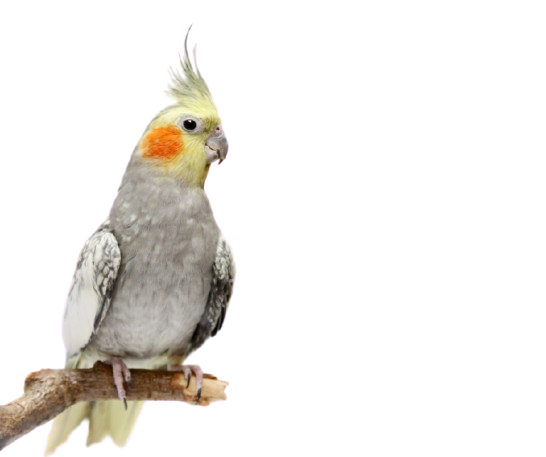
Refund and Returns Policy is something I recommend every cockatiel buyer read before sending a deposit or arranging delivery. Buying a live bird is different from ordering an ordinary household product, because a cockatiel’s health, welfare, stress level, and living environment all matter. From my experience working with birds, the clearest policy is one that explains what happens when something genuinely goes wrong rather than leaving the buyer guessing
Why a Refund and Returns Policy Matters When Buying Cockatiels
A Refund and Returns Policy may not be the first thing someone thinks about when choosing a cockatiel, but it becomes important if an unexpected problem occurs.
When I speak with prospective bird owners, I usually encourage them to ask about the policy before becoming emotionally attached to a particular bird. That sounds obvious, perhaps, but people often concentrate so heavily on color mutations, age, taming, and personality that the practical details get pushed aside.
A live cockatiel also cannot simply be placed back into an aviary without consideration. The bird may have been exposed to a different environment, other birds, people, food, and possible illnesses. Biosecurity is one reason many bird sellers place strict limits on returns.
Current bird-industry policies show considerable variation. Some sellers use short veterinary examination periods, while others do not accept live-bird returns after departure because of welfare and disease-control concerns.
Refund and Returns Policy for a Live Cockatiel
A sensible Refund and Returns Policy should distinguish between a genuine problem and a simple change of mind.
For example, discovering that a cockatiel has a documented pre-existing health problem shortly after arrival is very different from deciding several weeks later that the bird is not as talkative as expected.
Cockatiels need time to settle. A newly transported bird may remain quiet, eat differently, spend more time observing its surroundings, or hesitate to interact with its new owner. None of those behaviors automatically means something is wrong.
This is where communication matters.
If a buyer notices a concerning symptom, I would rather they contact the breeder immediately than wait several days hoping the issue disappears. An avian veterinarian can also provide useful documentation when a health-related claim is being considered.
Some current parrot sellers require veterinary confirmation within a defined period, while others provide replacement, credit, or refund options depending on the circumstances.
What Should Be Covered Before Buying a Cockatiel?
Before purchasing, I recommend checking these parts of the Refund and Returns Policy carefully:
Health guarantee: Find out whether the cockatiel is covered for a documented pre-existing illness and how long the health period lasts.
Veterinary examination: Ask whether the buyer must arrange an examination within a particular number of hours or days after receiving the bird.
Returns: Determine whether live cockatiels can actually be returned. Many sellers restrict live-bird returns because of welfare and biosecurity concerns.
Deposits: A reservation deposit may have different terms from the final purchase payment. Make sure you know whether it is refundable before paying.
Cancellation: Ask what happens if circumstances change before the cockatiel is delivered.
Transportation: Clarify who is responsible if a problem occurs during delivery and what evidence may be required.
Documentation: Keep receipts, messages, health records, delivery information, and any veterinary report. These details can make a genuine dispute much easier to resolve.
At Buy Cocktiels, I believe buyers should understand these practical details before making a decision, rather than discovering them afterward.
A Practical Guide for Cockatiel Buyers
1. Ask Before Sending Payment
Do not rely on assumptions. Ask the breeder to explain the Refund and Returns Policy in plain language, especially if you are purchasing a young, hand-raised, or specially reserved cockatiel.
2. Confirm the Bird’s Condition
Ask what health checks have been performed and whether relevant documentation is supplied. A responsible buyer should also be prepared to arrange appropriate veterinary care after bringing the bird home.
3. Prepare the New Home
Have the cage, food, water, perches, and a quiet settling area ready before the cockatiel arrives. A bird arriving at an unprepared home can experience unnecessary stress.
4. Inspect the Bird Promptly
After delivery or collection, observe the cockatiel carefully. Look at its general alertness, breathing, appetite, droppings, posture, and behavior. If something seems seriously unusual, seek professional veterinary advice rather than attempting to diagnose the problem yourself.
5. Keep Records
Save your purchase information and communications. If a legitimate Refund and Returns Policy claim becomes necessary, having a clear timeline is extremely helpful.
6. Understand That Behavior Takes Time
One of the most common misunderstandings with newly purchased cockatiels is expecting immediate bonding. A bird that was friendly with its breeder may initially be cautious in a new household. Give it time.
7. Consider Biosecurity
Returning a live bird can potentially expose an aviary to outside pathogens. That is why return arrangements should never be made casually. The bird’s welfare and the health of other birds have to be considered together.
Choosing a Breeder: What Buyers Should Look For
There is no single worldwide list of “top breeders” that guarantees a good experience. Instead, I suggest looking for breeders who communicate clearly, provide meaningful information about their birds, explain health arrangements, and answer questions without rushing the sale.
A useful breeder checklist includes:
- Clear information about the cockatiel’s age and weaning status.
- Honest descriptions of temperament and handling.
- Transparent pricing and payment arrangements.
- Clear delivery or collection procedures.
- A written Refund and Returns Policy.
- Health-related documentation where applicable.
- Willingness to explain what happens if a genuine problem develops.
- Advice about feeding, settling in, and early care.
- No pressure to make an immediate payment.
- Consistent communication before and after the sale.
I have found that the way a breeder answers difficult questions can tell you nearly as much as the photographs of the birds. A seller who explains limitations honestly is often easier to deal with than someone who promises that absolutely nothing can ever go wrong.
Refund and Returns Policy: What Should a Buyer Avoid?
Be cautious when a seller makes broad promises without explaining the conditions.
For instance, “100% guaranteed” sounds reassuring, but it does not tell you what qualifies for a refund, how quickly you must report a problem, whether a veterinarian is required, or whether transportation charges are covered.
Likewise, a policy copied from an ordinary retail store may not make sense for a live cockatiel. Bird-related policies commonly contain special provisions because live animals involve health, welfare, transportation, and biosecurity considerations.
A strong policy should be understandable before the transaction takes place.