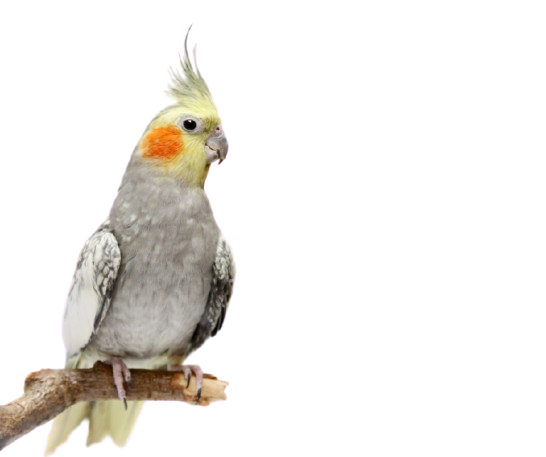
What is the best age to buy a cockatiel
What is the best age to buy a cockatiel? For most new owners, the best time is after the young cockatiel is fully weaned, eating independently, and comfortable with normal handling. I would not choose a bird simply because it is very young. A slightly older, properly socialized cockatiel that eats confidently on its own can be much easier for a first-time owner to care for. When I place a young bird with a new family, I care far more about its development, behavior, health, and independence than about making the sale at the earliest possible age.
What Is the Best Age to Buy a Cockatiel?
For a typical companion home, I would look for a fully weaned young cockatiel rather than an unweaned baby.
There is no magic birthday at which every cockatiel suddenly becomes ready. Weaning varies between individual birds, and a responsible breeder should judge readiness by behavior and development rather than relying on age alone.
Many young cockatiels are weaned at roughly 8–12 weeks, although some may take longer. Veterinary guidance notes that young birds can have different nutritional needs during their early development and that weaning should be handled carefully.
So if someone asks me, “What is the best age to buy a cockatiel?” my answer is usually: when the bird is genuinely ready to live independently, not simply when it reaches a particular number of weeks.
Why Buying a Fully Weaned Cockatiel Matters
This is the part I would never rush.
An unweaned cockatiel may still depend on hand-feeding. That is not something I recommend for an inexperienced owner. Hand-feeding requires correct technique, suitable formula preparation, appropriate temperature, hygiene, and careful monitoring.
A feeding mistake can become serious very quickly in a young parrot.
For this reason, I prefer a young cockatiel to be eating independently before moving to a new home. The bird should be confidently consuming its normal food rather than merely picking at it once or twice.
Ask the breeder to explain exactly what the cockatiel is eating.
That little conversation can tell you quite a lot.
Signs a Young Cockatiel Is Ready for a New Home
Instead of concentrating entirely on age, look for several signs of independence.
1. The Cockatiel Eats Independently
This is one of my first checks.
The bird should be eating and drinking without relying on hand-feeding. It should recognize its food and maintain a normal feeding routine.
2. The Cockatiel Is Alert and Active
A healthy young cockatiel should generally be curious about its surroundings. It may climb, explore, preen, whistle, or investigate what people are doing.
Of course, every bird has quiet periods. I am talking about the overall pattern.
3. It Handles Normal Interaction
A well-socialized cockatiel does not have to be completely tame, but it should have experienced gentle human interaction.
A young bird that has been handled appropriately often has an easier transition than one that has had very little contact with people.
4. It Maintains Its Weight
A bird undergoing weaning needs careful observation. Simply seeing a cockatiel nibble food does not necessarily tell you that it is consuming enough.
Weight monitoring can be particularly useful during dietary transitions, and veterinary guidance recommends watching a young bird closely during weaning.
5. It Is Comfortable in Its Environment
A young cockatiel does not need to behave perfectly.
It should, however, be able to move around its enclosure, find its food and water, and respond reasonably well to ordinary household activity.
Is a Younger Cockatiel Easier to Tame?
Not necessarily.
This is one of those ideas that sounds logical but can be misleading.
People sometimes assume that the younger the cockatiel, the easier it will be to tame. Early positive socialization can certainly be valuable, but temperament, previous handling, environment, and the individual bird all matter.
I have seen confident young birds settle quickly and more cautious birds take their time. Neither is automatically better.
A cockatiel that trusts people should still be given choices and treated gently. Trying to force a bird into becoming tame usually creates the opposite result.
What Age Is Best for a First-Time Cockatiel Owner?
For a first-time owner, I would lean toward a fully weaned, well-socialized young cockatiel.
This gives the owner the opportunity to build a relationship with the bird without also having to manage the complexities of hand-feeding.
You will still have plenty to learn. Diet, cage setup, sleep, enrichment, exercise, training, and household safety all matter. There is no reason to add unnecessary feeding risk to that list.
A young cockatiel that already eats independently can spend its first days in your home learning where its food is, getting comfortable with your voice, and exploring its new surroundings.
That is a much calmer beginning.
What Should I Ask a Cockatiel Breeder Before Buying?
If you are deciding what is the best age to buy a cockatiel, do not leave the breeder conversation until the payment is being arranged.
Ask practical questions.
Is the cockatiel fully weaned?
Do not accept a vague answer. Ask whether it is eating independently every day.
What food is it currently eating?
Keep the initial diet familiar when possible, then make any changes gradually.
Has the bird been handled regularly?
Find out what type of interaction it has experienced.
How old is the cockatiel?
Age still matters; it simply should not be the only deciding factor.
Has the bird shown any unusual health concerns?
A responsible seller should be comfortable discussing the bird’s condition and history.
Can you explain the bird’s normal routine?
Knowing when it eats, sleeps, plays, and interacts can make the first week easier.
At Buy Cocktiels, these are the kinds of questions I would want prospective owners to ask before choosing a young bird.

Should You Buy an Adult Cockatiel Instead?
Absolutely consider it.
Young birds are popular, but an adult cockatiel can be an excellent companion. An adult’s personality may be easier to evaluate, and you may already know whether the bird is particularly vocal, affectionate, independent, or cautious.
Some people actually prefer that.
A mature cockatiel that needs a new home may also already understand basic routines and cage habits. It might take time to bond with a new owner, but that does not make the relationship less meaningful.
I would never say that everyone should buy a baby.
Choose the bird that fits your lifestyle.
Best Age to Buy a Cockatiel: Baby, Young Bird, or Adult?
Here is how I would look at the choices.
Very Young or Unweaned Baby
Advantages: May receive extensive early socialization from an experienced breeder.
Challenges: Requires specialized care and potentially hand-feeding.
Best for: Experienced people working with an avian professional, rather than the average first-time owner.
Fully Weaned Young Cockatiel
Advantages: Independent eating, young enough to establish a new relationship, and often adaptable to a new routine.
Challenges: Still needs patience, training, and continued socialization.
Best for: Many families and first-time cockatiel owners.
Adult Cockatiel
Advantages: Established personality and eating habits; may already be tame and accustomed to household routines.
Challenges: May require additional patience when adjusting to a new person or environment.
Best for: Owners open to choosing based on personality rather than age.
For me, the fully weaned young cockatiel is often the middle ground that makes the most sense.
How to Prepare Before Bringing Home a Young Cockatiel
Do not wait until the day of pickup to buy everything.
Have the cage assembled beforehand. Put appropriate perches in place, prepare the food it already knows, provide fresh water, and have a few safe toys ready.
The first few days should be relatively calm.
I would avoid immediately introducing the bird to every person in the household. Give it time to understand its new surroundings. Talk quietly, move slowly, and allow the cockatiel to decide when it wants to approach.
It is tempting to want a new bird to become your best friend on day one.
Usually, patience works better.
A Simple New-Owner Checklist
Before purchasing a cockatiel, make sure you can answer yes to these points:
- The bird is fully weaned and eating independently.
- You know what food the bird currently eats.
- You have prepared an appropriate cage.
- Fresh drinking water will always be available.
- You have suitable perches and safe enrichment.
- You have a safe area for supervised out-of-cage time.
- You understand that bonding takes time.
- You are prepared for normal cockatiel vocalization.
- You have identified an avian veterinarian or suitable bird-care professional.
- You are prepared to provide daily attention and long-term care.
Choosing a Cockatiel From a Responsible Breeder
When choosing where to buy, resist the temptation to focus only on the youngest bird or the lowest price.
A good breeder should be interested in where the cockatiel is going and whether the owner understands its needs. The bird’s feeding routine, socialization, health, and development are all worth discussing.
If you are considering a cockatiel from Buy Cocktiels, I would encourage you to ask questions before making your decision. The goal should be a good match, not simply getting a bird home as quickly as possible.
The right beginning can make a remarkable difference.
Conclusion
What is the best age to buy a cockatiel? For most new owners, I recommend choosing a healthy, fully weaned, independently eating, well-socialized young cockatiel rather than an unweaned baby. While many cockatiels are weaned somewhere around 8–12 weeks, individual development varies, so readiness matters more than an exact age.
Do not be persuaded that younger automatically means better. Look at the whole bird: appetite, confidence, handling, development, behavior, and general condition.
A cockatiel is a long-term companion, so there is little benefit in rushing the first step. Give yourself time to choose well, prepare properly, and ask the breeder the questions that actually matter.
Frequently Asked Question
What is the best age to buy a cockatiel for a first-time owner?

A fully weaned young cockatiel is often a practical choice for a first-time owner. The bird should already be eating and drinking independently and should be comfortable with basic handling. The exact age can vary, so it is better to judge readiness by development and independence than by weeks alone.