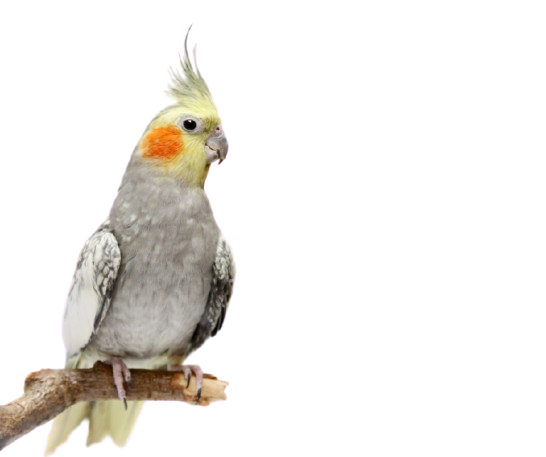
How much attention does a cockatiel need each day
How much attention does a cockatiel need each day is one of the first questions I would ask before bringing one home. In my experience with cockatiels, these birds do not simply need food, water, and a clean cage. They are social, curious companion birds that benefit from daily interaction, supervised time outside the cage, mental stimulation, and a predictable routine. A practical target for many owners is at least 1–2 hours of meaningful interaction and supervised out-of-cage activity each day, although some cockatiels happily enjoy more.
How Much Attention Does a Cockatiel Need Each Day?
There is no magic stopwatch number that applies to every cockatiel. I would rather see an owner provide consistent, thoughtful interaction every day than spend a huge amount of time with a bird once or twice a week.
Cockatiels naturally live socially, so a companion bird kept alone can look to its owner for part of that social contact. The Association of Avian Veterinarians notes that social stimulation and interaction are important for their mental well-being.
For a single cockatiel, I usually think about attention in several small portions. A morning greeting, a little talking or training, supervised flight, a few minutes of gentle interaction, and evening companionship can add up nicely.
And honestly, this often works better than trying to force one long play session.
Daily Attention for a Single Cockatiel
If your cockatiel lives alone, your presence becomes particularly important. That does not mean you must hold the bird all day. Cockatiels also need opportunities to play independently, explore and rest.
A simple routine might look like this:
Morning: Refresh food and water, greet your cockatiel, and spend a few minutes talking or whistling together.
Daytime: Provide supervised out-of-cage time when possible. PetMD recommends allowing cockatiels out of their habitat at least once a day for around two hours.
Evening: Offer another period of interaction through gentle handling, training, talking, or simply allowing your bird to sit near you.
This approach gives the bird attention without making it completely dependent on constant handling.
Does Out-of-Cage Time Count as Attention?
Absolutely. In fact, it serves several purposes at once.
When your cockatiel safely leaves the cage, it can stretch its wings, climb, explore, exercise and interact with you. Recent care guidance commonly places supervised out-of-cage time somewhere around 1–3 hours daily, depending on the individual bird and its environment.
The room must be bird-safe first. Closed windows and doors, protected electrical cords, safe surfaces, and no accessible hazards are essential.
I have always found that a cockatiel allowed to explore safely tends to become more confident. Of course, some birds are cautious at first. That is normal. Give them time.

Attention Is More Than Holding Your Cockatiel
New owners sometimes assume attention means cuddling the bird continuously. Not necessarily.
Cockatiels may enjoy sitting on a shoulder, stepping onto a hand, receiving gentle head scratches, learning a whistle, or simply watching what you are doing. Some prefer being close to you rather than being restrained.
PetMD describes cockatiels as social birds that commonly enjoy spending time with their people, while noting that many prefer perching on a person rather than being held tightly.
Training is another excellent form of attention. Practicing “step up,” returning to a perch, target training, or simple whistle imitation gives your cockatiel something to think about.
Sometimes five focused minutes of training can be more rewarding than twenty minutes of distracted handling.
What Happens If a Cockatiel Does Not Get Enough Attention?
A cockatiel that is regularly isolated or under-stimulated may become bored, frustrated, anxious, or unusually demanding. Behavioral changes can include excessive calling, withdrawal, destructive behavior, or feather-related problems. Veterinary guidance also emphasizes the importance of enrichment and social interaction for companion birds.
However, do not automatically assume every behavioral change means your bird simply wants attention. Birds can hide illness remarkably well. A sudden change in appetite, activity, droppings, breathing, or vocal behavior deserves attention from an avian veterinarian.
That distinction is important.
Cockatiel Attention and Enrichment
A good daily routine should include things your cockatiel can do without you standing beside it.
Foraging activities, safe chewable materials, varied perches, toys, and opportunities to investigate objects can keep a cockatiel occupied. The Association of Avian Veterinarians identifies several enrichment categories, including sensory, nutritional, manipulative, environmental, and behavioral enrichment.
I like rotating suitable toys rather than filling the cage with everything at once. A toy that seems boring today may become interesting again after a few days away.
Also remember that safety comes first. Avoid toys with loose pieces, dangerous metals, or materials that can trap toes or become wrapped around the bird.
Can Two Cockatiels Reduce the Need for Human Attention?
Two compatible cockatiels can provide each other with companionship, and this can be particularly useful when an owner is away for long periods. Cockatiels can also thrive as single birds when they receive appropriate human interaction.
But getting a second bird should not be viewed as a shortcut around responsible ownership.
The birds still need clean housing, proper nutrition, exercise, enrichment, observation, and veterinary care. Introductions should also be handled carefully because not every pair will immediately get along.
A Practical Daily Routine for Cockatiel Owners
If you are wondering how much attention does a cockatiel need each day, try building the routine around consistency rather than chasing an exact number.
A workable day could include:
- 10–15 minutes of morning interaction.
- Several opportunities for conversation and social contact.
- 1–3 hours of supervised out-of-cage activity when your schedule permits.
- Short training or whistle sessions.
- Independent play with safe enrichment.
- Quiet companionship in the evening.
- About 10–12 hours of appropriate nighttime sleep.
That may sound like a lot when written down, but much of it can fit naturally into your normal household routine.
When I speak with prospective owners through Buy Cocktiels, I encourage them to think beyond the excitement of choosing a beautiful bird. The real question is whether their daily lifestyle gives a cockatiel enough companionship, exercise, stimulation, and predictable care.
Conclusion
How much attention does a cockatiel need each day? For most companion cockatiels, daily interaction is essential, and a useful starting point is roughly 1–3 hours of supervised activity and social engagement, with the exact amount depending on the bird, housing, enrichment, and household routine.
The goal is not to keep your cockatiel entertained every minute. Give it meaningful interaction, safe freedom to exercise, interesting things to investigate, and dependable companionship. In my opinion, that balance is what makes living with a cockatiel so rewarding.
Frequently Asked Question
How much attention does a cockatiel need each day if it is kept alone?

A single cockatiel generally needs consistent daily human interaction because people become an important part of its social environment. Aim for regular interaction throughout the day and supervised out-of-cage activity, with roughly 1–3 hours being a practical range for many households. Individual needs vary, so pay attention to your bird’s behavior and overall routine.