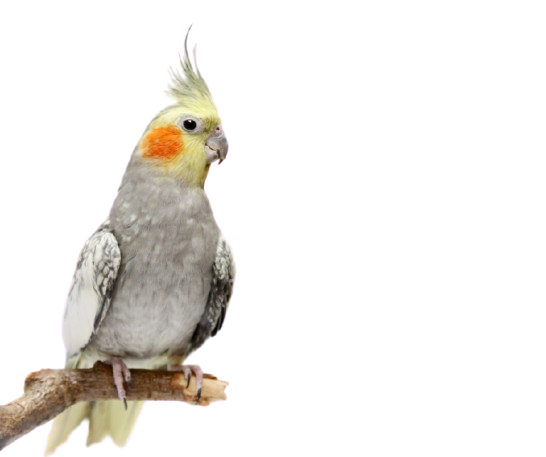
What should I feed my cockatiel
What should I feed my cockatiel? A healthy cockatiel diet should be based primarily on nutritionally complete formulated pellets, with smaller portions of vegetables, leafy greens, some fruit, and limited treats such as seeds. Fresh, clean water should always be available. Seeds are not automatically bad, but relying on a seed-only diet can leave important nutritional gaps, so I always encourage new owners to think about balance rather than simply feeding what their cockatiel prefers.
What Should I Feed My Cockatiel Every Day?
When someone asks me what should I feed my cockatiel, I usually start with one simple point: build the diet around nutrition, not preference.
Cockatiels often love seeds. That does not necessarily mean seeds should make up their entire diet. In fact, veterinary guidance recommends commercially formulated pellets as the foundation of a cockatiel’s diet, supplemented with smaller amounts of vegetables and fruit.
A good daily menu can therefore include:
- A nutritionally complete cockatiel pellet or formulated food
- Fresh vegetables and leafy greens
- A small amount of fruit
- Limited seeds or suitable treats
- Fresh drinking water
That sounds straightforward, but there is a little more to getting it right.
Cockatiel Pellets: A Good Dietary Foundation
For many companion cockatiels, quality pellets are the easiest way to provide a more consistent supply of essential nutrients.
Veterinary guidance from VCA recommends that formulated pellets make up roughly 75–80% of a cockatiel’s diet.
Pellets are useful because a cockatiel cannot simply pick out its favorite sunflower seeds and leave the rest behind. That selective eating can happen with loose seed mixes, and it is one reason I am cautious when someone tells me their bird eats “a good seed mix” but little else.
If your cockatiel already eats pellets willingly, excellent. Keep them available as the main food and complement them with appropriate fresh foods.
If your cockatiel refuses pellets, do not panic.
Changing a bird’s diet can take time.
Can Cockatiels Eat Seeds?
Yes, cockatiels can eat seeds. The problem is when seeds become almost the entire diet.
Wild cockatiels naturally eat seeds and other plant material, so it is understandable that pet birds are attracted to them. However, ordinary loose seed mixes can be nutritionally incomplete, and a bird may selectively eat only the tastiest, often higher-fat seeds.
Sunflower seeds and millet, for example, can be useful as occasional treats or training rewards, but I would not build a cockatiel’s entire diet around them.
This is one of those areas where moderation really matters.
A cockatiel can become very enthusiastic about its favorite seed. Sometimes too enthusiastic.
What Vegetables Can Cockatiels Eat?
Vegetables are a useful part of a varied cockatiel diet. Dark leafy greens, broccoli, carrots, green beans, and other suitable vegetables can be offered in appropriately sized pieces.
I like giving birds different textures rather than presenting the same food in exactly the same way every day. A cockatiel might ignore grated carrot but investigate a small piece of carrot later. Another bird may prefer broccoli florets.
There is no need to become frustrated if your cockatiel rejects a new vegetable immediately.
Birds can be suspicious of unfamiliar foods.
Wash fresh produce thoroughly and cut it into manageable pieces. VCA recommends that fruits and vegetables account for no more than about 20–25% of the daily diet.

Can Cockatiels Eat Fruit?
Yes, but fruit should generally be offered in smaller quantities than vegetables.
Fruit contains natural sugars and plenty of water, so it is better viewed as a modest part of the overall diet rather than the main food.
Suitable choices can include small portions of foods such as apple, berries, melon, or other bird-safe fruits. Remove apple seeds before offering apple, and always wash fresh produce thoroughly.
Some cockatiels love fruit.
Others barely acknowledge it.
I would not force the issue. If your bird happily eats a nutritionally complete diet but refuses every piece of fruit you offer, that does not mean you should start replacing its balanced food with fruit just to make the menu look more interesting.
What Foods Should Cockatiels Never Eat?
This is an area where I prefer owners to be overly careful.
Never offer your cockatiel avocado, onion, chocolate, alcohol, or caffeinated drinks. Processed snack foods such as chips, cookies, and similar foods are also poor choices.
Do not assume that a tiny amount of a human food is automatically harmless. Birds are small, and their nutritional requirements are very different from ours.
Also avoid offering foods that are heavily salted, sugary, greasy, or highly processed.
Your cockatiel does not need your snack just because it is sitting on your plate.
Does My Cockatiel Need Fresh Water?
Absolutely.
Fresh, clean drinking water should be available at all times. Water dishes should be cleaned regularly rather than simply topped up day after day. VCA recommends cleaning water dishes thoroughly each day.
This sounds like a small detail, but it is one of the easiest parts of cockatiel care to get right.
I prefer keeping the water dish somewhere it is less likely to become contaminated by droppings, food debris, or bedding material.
How Do I Change a Cockatiel From Seeds to Pellets?
This is where patience becomes important.
A cockatiel that has eaten seeds for months or years may not immediately recognize pellets as food. Simply removing all the familiar food can create unnecessary stress and, more importantly, you need to be certain the bird is actually eating the replacement diet.
VCA recommends a gradual transition and notes that converting some seed-eating birds can take days, weeks, or even months.
You can begin by introducing pellets alongside the familiar diet and gradually increasing the proportion of the balanced food while reducing the seed portion.
Watch your bird closely during the transition.
If you are unsure whether your cockatiel is consuming enough food, particularly if its weight changes, consult an avian veterinarian. Lafeber also recommends monitoring body weight during a dietary conversion.
Do not turn mealtime into a battle.
Should Cockatiels Have Grit or Gravel?
No.
This surprises some new owners because grit has traditionally been associated with birds. Cockatiels hull their seeds before swallowing them, so they do not require grit for normal digestion. VCA specifically advises against providing gravel or grit because some birds can consume excessive amounts and develop dangerous gastrointestinal problems.
So if you are preparing a new cockatiel cage, spend your money on appropriate food and safe enrichment instead.
What About Treats for Cockatiels?
Treats can be useful, particularly during training, but they should remain treats.
A small amount of millet can be a practical reward for a cockatiel that is learning to step onto your hand or respond to a cue. The mistake is allowing treats to become such a large part of the diet that the nutritionally complete food gets pushed aside.
I often tell new owners to think of treats as punctuation, not the entire sentence.
Your cockatiel’s main diet still matters most.
What Should I Feed a Baby Cockatiel?
Young, recently weaned cockatiels require particular attention because their nutritional needs and feeding habits can differ from those of mature birds.
A properly weaned young cockatiel should be eating independently before being treated as a fully established companion bird. Hand-raised babies can be started on appropriate formulated diets, but dietary changes around weaning should be handled carefully.
If you are buying a young cockatiel, ask the breeder exactly what the bird is currently eating.
I would rather continue a familiar, appropriate diet for a short period and make changes gradually than bring a young bird home and immediately change everything.
At Buy Cocktiels, this is the kind of practical feeding information I would want a new owner to understand before taking a cockatiel home.
A Simple Cockatiel Feeding Guide
If you want an easy starting point, think of the daily menu this way:
Main food: A quality nutritionally complete cockatiel pellet or formulated diet.
Vegetables: Offer a variety of suitable vegetables and leafy greens in modest portions.
Fruit: Give small portions occasionally or as part of the fresh-food allowance.
Seeds: Use limited amounts rather than making loose seed the entire diet.
Treats: Keep them small and occasional.
Water: Fresh and clean every day.
The precise balance can vary depending on the bird’s age, health, reproductive status, activity level, and existing diet. Birds that are laying eggs, raising chicks, ill, injured, or undergoing other stressful situations can have different nutritional requirements and should be assessed individually.
A Practical List of Cockatiel Feeding Mistakes to Avoid
Before bringing home a cockatiel, I would keep these points in mind:
- Do not rely on sunflower seeds as the main food.
- Do not assume a colorful seed mix is automatically nutritionally complete.
- Do not suddenly remove all familiar food during a diet change.
- Do not leave fresh vegetables or fruit sitting in the cage for long periods, particularly in warm conditions.
- Do not offer avocado or onion.
- Do not give chocolate, alcohol, or caffeine.
- Do not provide grit simply because someone says all birds need it.
- Do not add vitamin supplements without a good reason and appropriate veterinary guidance.
- Do not assume a cockatiel refusing one vegetable will refuse every fresh food forever.
- Do not overlook clean drinking water.
Choosing a Cockatiel With Good Feeding Habits
If you are looking for a cockatiel, ask about the bird’s existing diet before bringing it home.
A breeder should be able to tell you whether the bird is eating pellets, seeds, vegetables, or a combination, and whether it is independently eating and drinking.
This information is especially useful with young birds because changing homes is already a significant adjustment.
When people contact Buy Cocktiels, I would encourage them to prepare the correct food before the bird arrives rather than deciding what to feed after bringing it home. A little preparation makes the first few days much calmer.
Conclusion
What should I feed my cockatiel? Start with a nutritionally complete formulated food such as quality pellets, then add appropriate vegetables and leafy greens, smaller amounts of fruit, and limited seeds or treats. Fresh water should always be available, while dangerous and heavily processed foods should stay completely off the menu.
The biggest feeding mistake is usually not giving a cockatiel seeds; it is allowing seeds to become the entire diet. A balanced menu is much more useful than simply giving a bird the foods it begs for most enthusiastically.
And remember, every cockatiel is an individual. One bird may happily attack a piece of broccoli while another stares at it suspiciously for three days. Keep offering appropriate variety, make changes gradually, and pay attention to your bird’s weight, appetite, droppings, and overall behavior.
Frequently Asked Question
What should I feed my cockatiel as its main food?

A quality nutritionally complete cockatiel pellet or formulated diet should generally form the foundation of the diet, supplemented with suitable vegetables, leafy greens, limited fruit, and controlled treats. Veterinary guidance commonly recommends a predominantly pelleted diet rather than a seed-only diet.