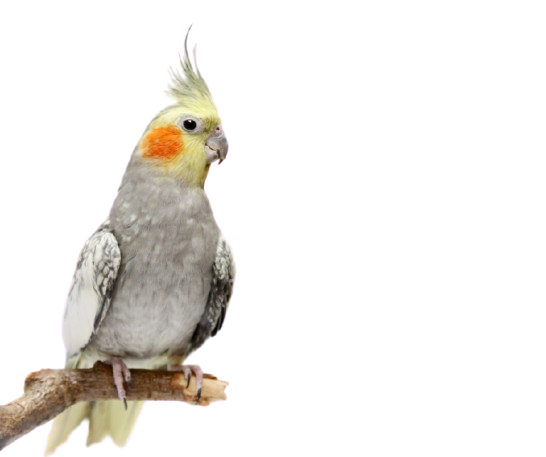
How often should I let my cockatiel out of its cage
How often should I let my cockatiel out of its cage? For a healthy, tame cockatiel, daily supervised time outside the cage is an important part of a good routine. Cockatiels are active flyers and need opportunities to move, explore, play, and interact with their owners. I usually tell new owners not to think of the cage as a place where the bird is kept all day, but as its safe home base. The goal is to create a routine where your cockatiel gets regular freedom without sacrificing safety, sleep, or calm time.
How Often Should I Let My Cockatiel Out of Its Cage?
For most healthy companion cockatiels, I recommend aiming for daily supervised out-of-cage time rather than keeping the bird confined for several days and then giving it a long session at the weekend.
Cockatiels are naturally active birds. They enjoy flying, climbing, exploring, and interacting with their surroundings. Veterinary guidance specifically recommends taking pet cockatiels out of their cages daily and providing opportunities for activity and play.
How long should that session last? This is where I would avoid giving every owner an identical number.
A tame cockatiel in a safe room might happily spend several hours outside its cage, while another bird may need shorter sessions at first. A young bird that is still learning to trust people should not be rushed simply because someone says it needs to be out for a certain number of hours.
Start with what your bird can handle comfortably and build from there.
How Many Hours Should a Cockatiel Be Out of Its Cage?
There is no universal hourly requirement that fits every cockatiel.
Some experienced owners allow several hours of supervised freedom each day. Others have work schedules that make shorter daily sessions more realistic. What matters is that the bird receives regular opportunities for exercise, mental stimulation, and social contact.
I would rather see an owner provide a consistent, safe routine every day than occasionally allow a cockatiel to roam for an entire afternoon and then leave it inside the cage for days.
A useful routine might include morning time outside the cage, another supervised period later in the day, or one longer session when the household is available. Cockatiels can also benefit from play stands, safe climbing areas, training, and interaction during these periods.
The cage itself should not be neglected either. It needs enough room for the bird to move comfortably, stretch its wings, and change between perches.
What Should My Cockatiel Do Outside the Cage?
Simply opening the cage door is not the whole idea.
Out-of-cage time should give your cockatiel something to do. Let it fly between safe perches, investigate a play stand, interact with toys, practice simple training, or spend calm time with you.
I particularly like combining movement with short training sessions. A few minutes of gentle step-up practice or another simple behavior can give the bird a mental challenge without making the session feel like work.
Hand-training can also be introduced in short sessions. Veterinary guidance suggests beginning with brief training periods and gradually increasing them as the bird becomes comfortable.
Sometimes your cockatiel may simply sit near you and whistle. That counts as social interaction too.
Should a Cockatiel Be Out of Its Cage All Day?
Not necessarily.
There is a tendency among some new bird owners to believe that more freedom is automatically better. I understand the thinking, but I do not completely agree.
A cage can be a valuable safe place for a cockatiel. It is where the bird can eat, rest, play with familiar toys, and sleep without being disturbed. Lafeber describes the cage as a sanctuary for a pet cockatiel rather than simply a place of confinement.
Your cockatiel should therefore become comfortable going back into its cage.
That makes everyday life much easier. If you need to clean the room, answer the door, cook, leave the house, or prepare for bedtime, you should be able to return your bird safely without turning the process into a chase around the room.

How Do I Make Out-of-Cage Time Safe?
This is probably the most important part.
Never assume that a room is safe simply because you cannot immediately see a danger. Cockatiels are small, fast, curious birds, and they can reach places you might not expect.
Before allowing free flight, close doors and windows and make sure the bird cannot escape. Ceiling fans should be turned off. Hot cooking surfaces, open containers of liquid, electrical hazards, other pets, mirrors, and other household dangers need attention as well. Avian veterinary guidance warns that unsupervised birds can encounter serious household hazards, including windows, doors, fans, and hot liquids.
I also recommend checking the room from the bird’s perspective.
That sounds slightly excessive until you see how quickly a cockatiel can disappear behind furniture.
Should I Let a New Cockatiel Out Immediately?
I would usually wait until the bird is reasonably comfortable with its new surroundings and, ideally, can return to the cage without a stressful struggle.
A newly arrived cockatiel may be nervous. Its cage is the one familiar place it has, so giving it time to settle can be helpful.
Once the bird begins eating normally, moving confidently around the cage, and responding calmly to you, you can start introducing supervised out-of-cage experiences.
Do not force the process.
If your cockatiel panics every time you approach the cage door, more trust-building may be needed before you attempt extended free flight.
What If My Cockatiel Does Not Want to Come Back?
This is common enough that I tell new owners to plan for it before the first flight.
Teach your cockatiel that returning to the cage is not a punishment. Keep food, water, familiar toys, and comfortable perches inside. You can also practice stepping onto your hand and returning to the cage during calm periods.
Avoid turning the return into a dramatic chase.
If you repeatedly corner a frightened cockatiel, it may learn that your hands mean danger. Calm repetition usually works better.
For this reason, I like establishing a predictable routine. If the bird learns that out-of-cage time eventually ends with a quiet return to its familiar cage, the process often becomes much easier.
How Long Should a Young Cockatiel Stay Outside?
Young cockatiels need opportunities to learn and exercise, but their individual confidence and development should guide the pace.
A young bird that is already tame and confident may enjoy exploring fairly quickly. Another may spend its first sessions mostly sitting on a perch and observing everything.
That is perfectly fine.
Do not judge the success of the first session by how much the bird flies. Sometimes learning that the room is safe is the biggest achievement.
As your cockatiel becomes more confident, you can gradually introduce more movement, training, toys, and exploration.
Can a Sick Cockatiel Come Out of Its Cage?
This is one situation where normal advice about exercise changes.
If a cockatiel is sick, injured, weak, or recovering from a procedure, do not assume that extra flying will help. Veterinary guidance may recommend cage rest during illness or recovery, depending on the condition.
If your bird suddenly becomes reluctant to fly, unusually quiet, weak, or different from its normal self, speak with an avian veterinarian rather than trying to solve the problem by changing its exercise routine.
A healthy cockatiel and a sick cockatiel have very different needs.
A Simple Daily Routine for Cockatiel Owners
If you are still wondering how to organize your day, keep it practical.
Morning: Give your cockatiel time to wake, eat, and settle before beginning a supervised session.
Exercise period: Open the cage in a secure room and allow flying, climbing, and exploration.
Interaction: Add a few minutes of gentle training or handling if your bird enjoys it.
Rest: Return the cockatiel to its cage when it wants to eat, rest, or when you need to leave the room.
Evening: A second supervised session can work well for owners who are away during the day.
Night: Keep bedtime consistent and give the bird a quiet, dark sleeping environment.
The exact schedule can vary. Cockatiels can adjust to their owner’s routine, but consistency helps them understand when it is time to interact and when it is time to settle down.
What If I Cannot Let My Cockatiel Out for Several Hours?
Do not feel that you have failed your bird because you have a job or other responsibilities.
Instead, make the time you do have meaningful.
Provide a suitable cage, safe toys, different perches, opportunities for foraging, and regular social interaction. A larger, well-arranged enclosure gives a cockatiel more opportunity to move around when you are unavailable. Veterinary guidance notes that pet birds need adequate space to move, stretch, and flap their wings comfortably.
Then give your cockatiel supervised freedom whenever your schedule allows.
Even a carefully planned daily routine can make a noticeable difference.
Choosing a Cockatiel With a Good Daily Routine
If you are preparing to bring home a cockatiel, think about its future routine before choosing the bird.
Ask yourself where the cage will be placed, which room can be made safe for flying, how much time you can realistically provide each day, and how you will handle training.
At Buy Cocktiels, I believe prospective owners should think about these practical details before focusing only on appearance or color. A beautiful cockatiel still needs time, exercise, companionship, enrichment, and a safe home.
That preparation is what makes the transition easier for both bird and owner.

Conclusion
How often should I let my cockatiel out of its cage? For a healthy, tame cockatiel, daily supervised out-of-cage time is a good goal. There is no need to become obsessed with a precise number of hours, though. The better question is whether your bird regularly gets safe opportunities to fly, exercise, explore, play, learn, and interact with you.
Keep the cage as a comfortable home base rather than treating it like a prison. Make the room safe before opening the door, introduce new birds gradually, and build a routine your cockatiel can understand.
From my perspective, the best routine is the one you can maintain consistently. A little planning goes a long way, and a cockatiel that learns to enjoy both its cage and its supervised freedom is usually much easier to care for.
Frequently Asked Question
How often should I let my cockatiel out of its cage if it is healthy and tame?

Ideally, provide supervised out-of-cage time every day. The appropriate duration depends on the individual bird, your home, and your schedule. Start comfortably, increase activity gradually, and always prioritize safety. Daily exercise and play are more useful than occasionally providing one very long session.