How can I tell if a cockatiel is healthy
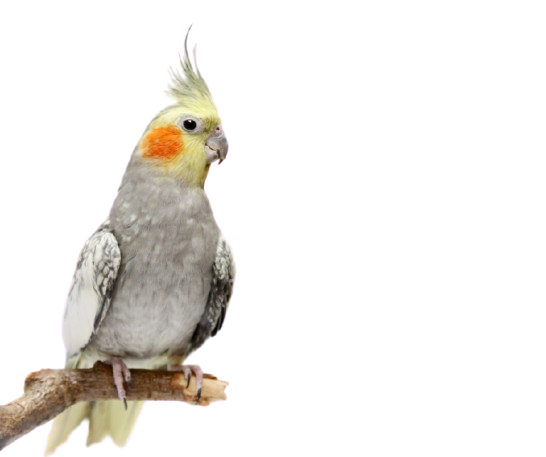
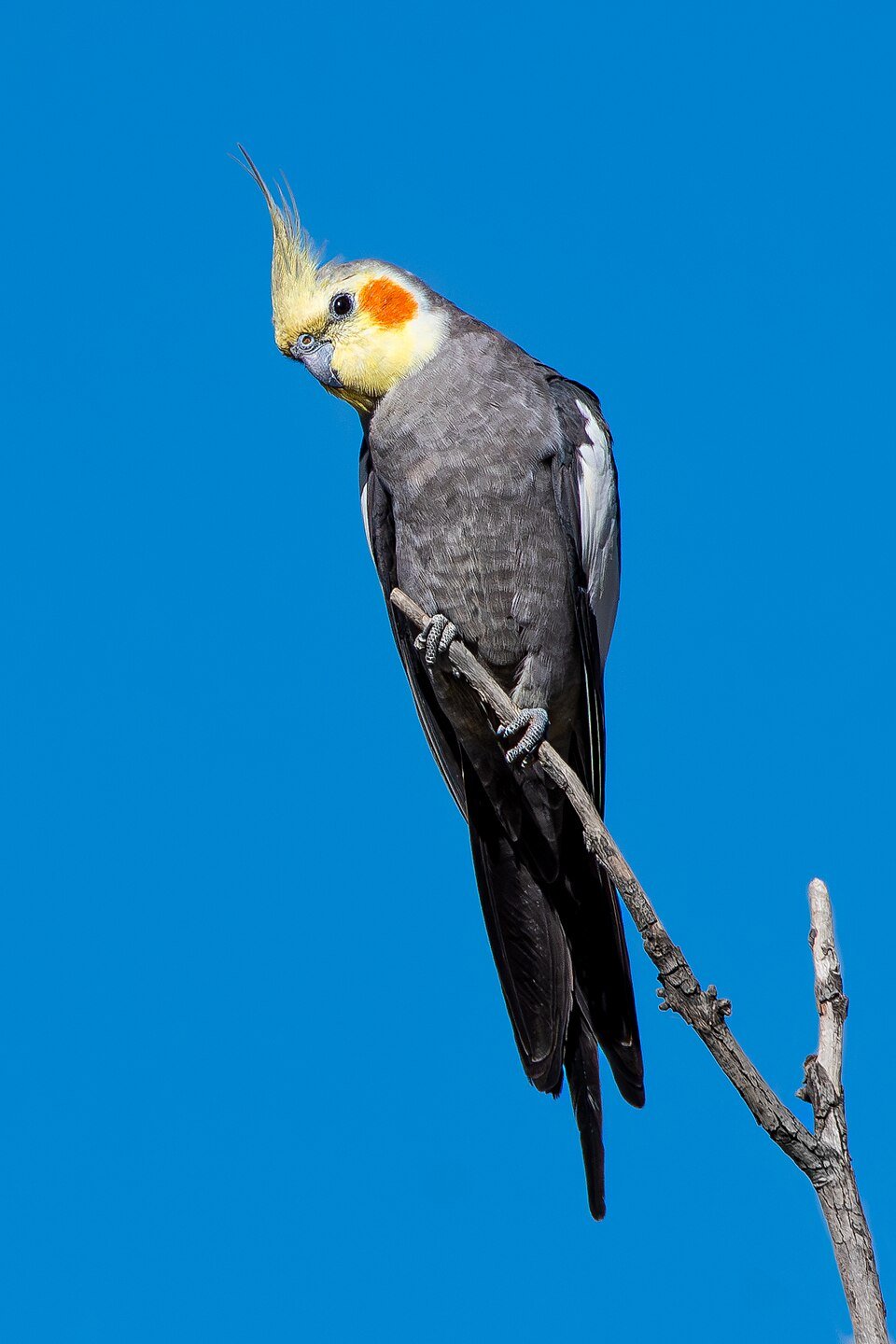
A healthy cockatiel is usually alert, active, interested in its surroundings, eating normally, and maintaining clean, well-kept feathers. But there is a catch: cockatiels are good at hiding illness, so waiting until a bird looks obviously sick can mean waiting too long. When I look at a cockatiel, I pay attention to the whole bird—behavior, appetite, droppings, breathing, weight, feathers, eyes, feet, and posture. One small change may mean nothing, but several changes together deserve attention from an avian veterinarian.
How Can I Tell If a Cockatiel Is Healthy by Its Behavior?
Behavior is one of the first things I watch.
A healthy cockatiel will usually pay attention to what is happening around it. It may climb, chew a toy, preen, call, investigate something new, or simply sit comfortably while watching the room. It does not have to be running around constantly. Some cockatiels are naturally quieter than others.
What matters is knowing what is normal for that particular bird.
If your cockatiel normally greets you in the morning and suddenly sits motionless, sleeps much more, or stops responding to familiar sounds, I would take notice. Veterinary guidance lists changes in normal behavior, inactivity, weakness, reduced appetite, and increased sleeping among signs that can indicate illness.
This is why I tell new owners not to judge health from appearance alone. A bird can look fairly normal while something is already developing.
A Healthy Cockatiel Should Be Alert and Responsive
When approaching the cage, watch the bird’s reaction.
Does it look toward you? Does it follow movement with its eyes? Does it shift position, vocalize, preen, or investigate what you are doing?
Those small responses can be reassuring.
A cockatiel that is unusually dull, reluctant to move, sitting low on the perch, or spending extended periods on the cage floor deserves closer attention. Sitting on the cage floor for a prolonged period is specifically recognized as a concerning sign in pet birds.
Of course, one quiet afternoon does not automatically mean disease. Birds have moods, and they sleep. I am talking about a noticeable change from the bird’s normal routine.
Check Your Cockatiel’s Appetite
Food is another useful daily health indicator.
A healthy cockatiel should maintain its normal interest in food. If it suddenly eats much less, refuses familiar foods, or shows a significant change in eating habits, do not simply assume it is being picky.
This becomes particularly important because birds can hide illness until they are quite unwell. Loss of appetite combined with lethargy can indicate a potentially serious problem and warrants prompt veterinary attention.
I recommend paying attention to how much your cockatiel normally eats rather than trying to judge everything from an empty or full bowl. A bird may sort through food and leave particular pieces behind, making the bowl look fuller than it really is.
Good nutrition also matters over the long term. Veterinary guidance notes that poor nutrition is a common contributor to health problems in companion birds, so diet should be discussed with an avian veterinarian when necessary.
Look Closely at Your Cockatiel’s Feathers
Feathers tell you quite a bit.
A healthy cockatiel generally spends time preening and maintaining its plumage. The feathers should not remain constantly fluffed or appear persistently dirty, damaged, or unusually dull.
During molting, of course, the appearance can change. You may see pin feathers, loose feathers, or temporary differences in the bird’s coat. That alone is not necessarily a problem.
What concerns me more is persistent feather damage, bald patches, excessive feather plucking, or a bird that suddenly stops grooming itself.
Veterinary references list abnormal feather appearance, feather loss, damaged or chewed feathers, and prolonged molting among signs that deserve investigation.
Are Your Cockatiel’s Eyes Clear?
The eyes are worth checking every day, even if only for a few seconds.
Look for eyes that appear clear and appropriately open for the bird’s normal state. Swelling, redness, discharge, cloudiness, or repeatedly keeping one eye closed are not things I would ignore.
You do not need to examine your cockatiel like a veterinarian. Just become familiar with its normal appearance.
That makes changes much easier to notice.
The same principle applies to the nostrils. Nasal discharge, blocked nostrils, or staining around the nostrils can be signs of a respiratory problem.
Pay Attention to Your Cockatiel’s Breathing
Breathing is one area where I would never recommend taking a wait-and-see approach if the change is obvious.
A healthy cockatiel should breathe comfortably without repeatedly opening its mouth to breathe or visibly struggling with each breath.
Watch the tail, too. Pronounced tail movement with each breath, especially when the bird is resting, can be a warning sign. Open-mouth breathing, wheezing, coughing, nasal discharge, and labored breathing are among the respiratory signs that veterinary sources identify as concerning.
If your cockatiel is having difficulty breathing, seek veterinary care promptly.

What Should Healthy Cockatiel Droppings Look Like?
This is probably one of the least glamorous parts of bird ownership, but it is genuinely useful.
Cockatiel droppings normally contain three components: the fecal portion, the white urate portion, and urine. Normal appearance can vary somewhat with diet and water intake, but sudden changes in color, consistency, volume, or frequency can provide an early clue that something has changed.
For example, eating watery foods can temporarily increase the liquid portion. Stress can also affect droppings.
What I would watch for is a persistent or dramatic change rather than becoming alarmed by one unusual dropping.
Very watery droppings, diarrhea-like feces, unusual discoloration, a major reduction in the number of droppings, or straining should be discussed with a veterinarian.
Check Your Cockatiel’s Weight
A kitchen scale that measures in grams can become one of the most useful tools in a bird owner’s home.
Cockatiels are small, so relatively modest weight changes can be difficult to see just by looking at the bird. Veterinary examinations also include recording an accurate body weight so that future changes can be compared.
Rather than focusing on a universal “perfect” number, establish your bird’s normal weight and monitor trends.
If you notice an unexplained or significant change, contact your veterinarian. Weight should be interpreted alongside appetite, droppings, behavior, and physical examination rather than used as a diagnosis by itself.
Examine the Beak, Feet, and Nails
Take a quick look at the beak and feet when your cockatiel is relaxed.
The beak should not suddenly develop an unusual shape, texture, color change, or excessive growth. Feet should allow the bird to perch normally without obvious swelling, sores, or favoring one leg.
Nails naturally grow, but abnormal growth or changes in color, texture, or shape should be discussed with an avian veterinarian.
Be careful about trying to perform complicated grooming yourself if you are inexperienced. A bird’s anatomy is delicate, and cutting a blood feather or nail incorrectly can cause injury.
How to Tell if a Cockatiel Is Healthy Before Buying
If you are choosing a cockatiel from a breeder, you have an important opportunity to observe the bird before bringing it home.
I would spend a little time watching rather than immediately choosing the prettiest bird.
Look for a cockatiel that is:
- Alert — it responds to movement and sounds.
- Active — it moves normally around its enclosure.
- Interested in food — it appears to be eating normally.
- Comfortable on its perch — it is not persistently sitting on the cage floor.
- Breathing normally — without obvious respiratory effort.
- Well feathered — without unexplained bald areas or severe damage.
- Clear-eyed — without swelling or discharge.
- Clean around the nostrils — with no obvious discharge.
- Able to move normally — without limping or weakness.
- Well supported by its environment — clean housing, suitable food, fresh water, and sensible care.
None of these observations replaces a veterinary examination. They simply help you make a more informed decision.
At Buy Cocktiels, I believe buyers should ask questions about a bird’s diet, history, socialization, and previous care before making a purchase. A beautiful cockatiel is wonderful, but health and appropriate care should come first.
What a Healthy Cockatiel Should Eat
Diet is closely connected to long-term health.
A cockatiel’s diet should provide appropriate nutrition rather than relying entirely on seed. Veterinary guidance commonly recommends a nutritionally balanced formulated diet supplemented with suitable vegetables and smaller amounts of fruit, with dietary details adjusted for the individual bird.
Fresh water should be available every day, and food and water dishes should be cleaned regularly.
I also would not add vitamin or mineral supplements simply because a product claims they are useful. Supplementation should be based on the bird’s diet and veterinary advice.
And one surprisingly common mistake: cockatiels do not need grit or gravel to digest their food. Offering grit can actually create problems if the bird consumes too much.
When a Healthy-Looking Cockatiel Needs a Vet
This is important: learning how to tell if a cockatiel is healthy does not mean you can replace veterinary care.
Birds naturally tend to conceal signs of weakness. By the time obvious symptoms appear, illness may already have been present for some time.
Contact an avian veterinarian promptly if you notice:
- Sudden loss of appetite
- Significant weight loss
- Severe lethargy
- Difficulty breathing
- Open-mouth breathing
- Tail bobbing while breathing
- Bleeding
- Repeated vomiting
- Major changes in droppings
- Balance problems
- Seizures
- Persistent weakness
- Sitting on the cage floor
Routine veterinary examinations are also important even when your cockatiel appears completely healthy. Veterinary guidance recommends regular examinations for cockatiels, including annual routine care.
A Simple Daily Cockatiel Health Check
You do not need a complicated medical routine.
Each day, take a moment to notice:
Morning: Is your cockatiel awake, alert, and behaving normally?
Feeding: Is it eating and drinking as usual?
During the day: Is it moving, vocalizing, preening, and interacting normally?
Droppings: Do they look reasonably consistent with what you normally see?
Evening: Is the bird settling down normally rather than becoming unusually weak or inactive?
This takes very little time.
Over weeks and months, you begin to understand your bird’s individual baseline. That knowledge is valuable because “healthy” is not exactly the same appearance for every cockatiel.
Conclusion
How can I tell if a cockatiel is healthy? Start by learning what is normal for your individual bird. A healthy cockatiel is generally alert, responsive, eating normally, maintaining its feathers, breathing comfortably, moving normally, and producing reasonably consistent droppings. But because cockatiels can conceal illness, even a bird that looks fine should receive appropriate routine veterinary care.
If you are buying a cockatiel, observe the bird carefully, ask the breeder sensible questions, and arrange veterinary care after bringing the bird home. At Buy Cocktiels, I would always encourage a new owner to think beyond the first day. Choosing a healthy bird is important, but maintaining that health through proper nutrition, housing, observation, and veterinary care is what really matters.
Frequently Asked Question
Can a cockatiel look healthy while being sick?

Yes. Cockatiels and other pet birds can hide signs of illness because displaying weakness is a natural survival behavior. This is why a bird that suddenly changes its appetite, activity, droppings, breathing, or normal personality should be taken seriously, even if it still looks reasonably well.