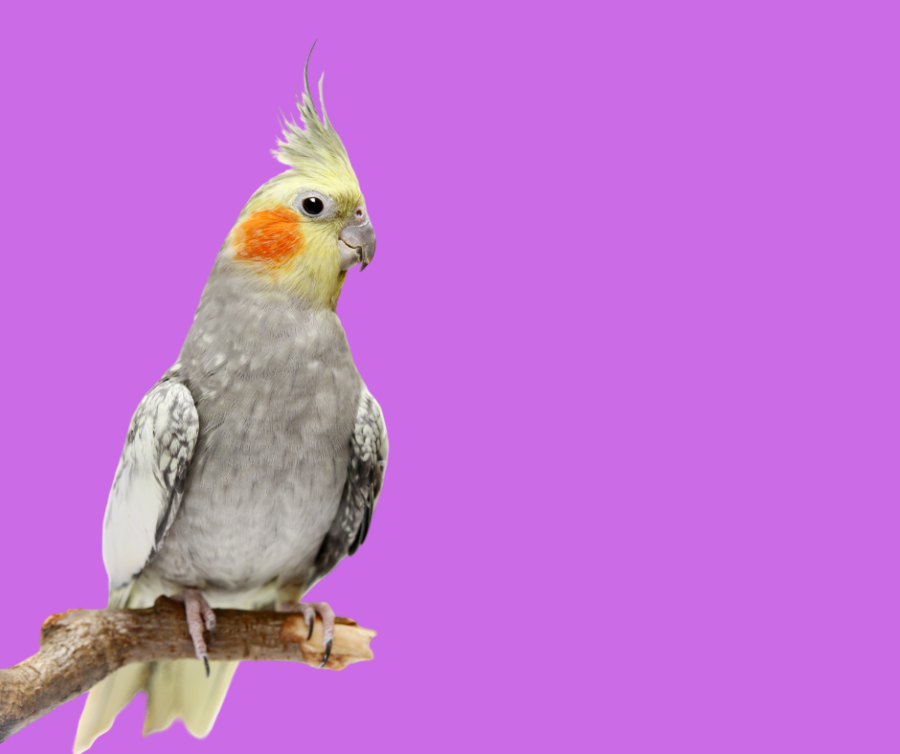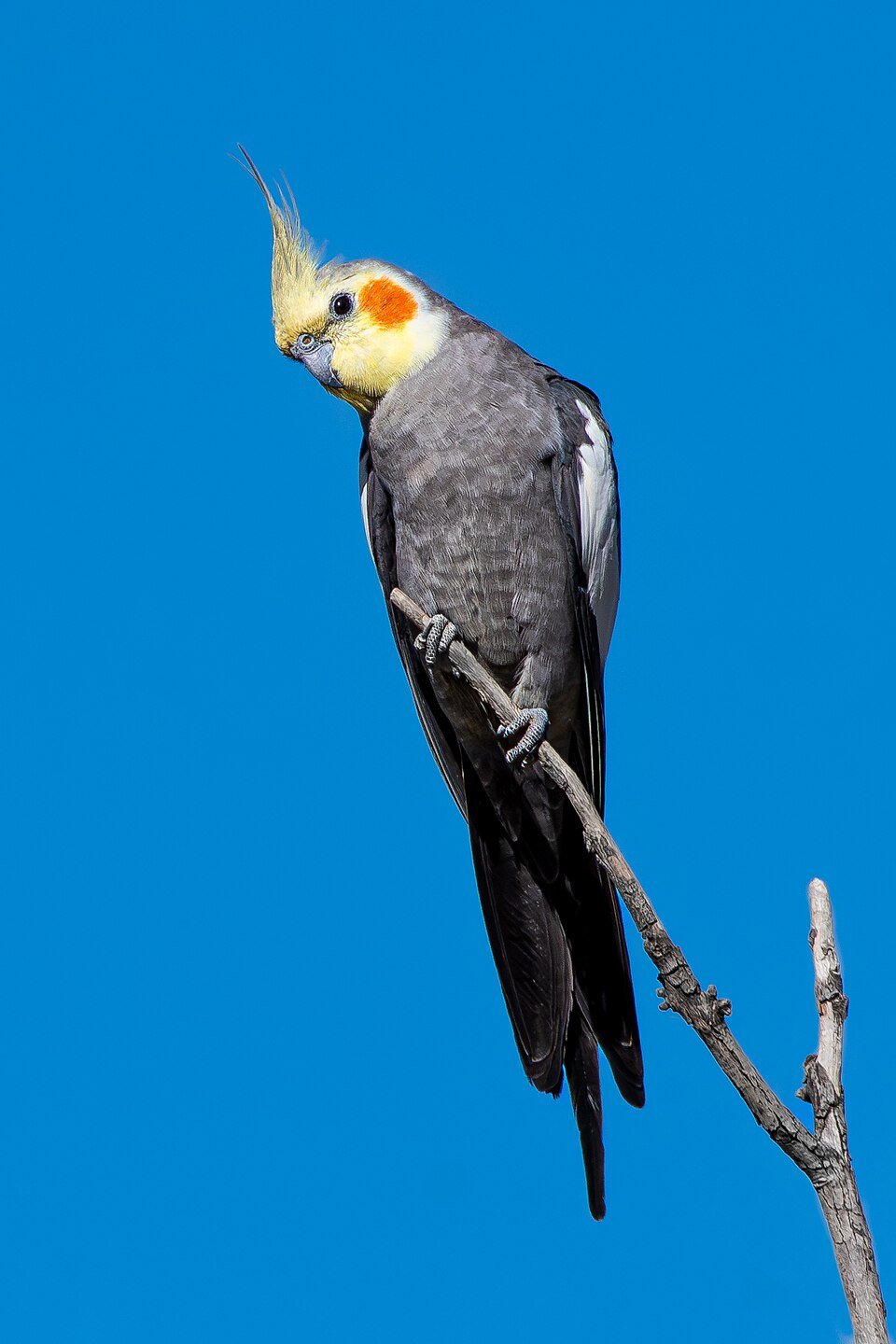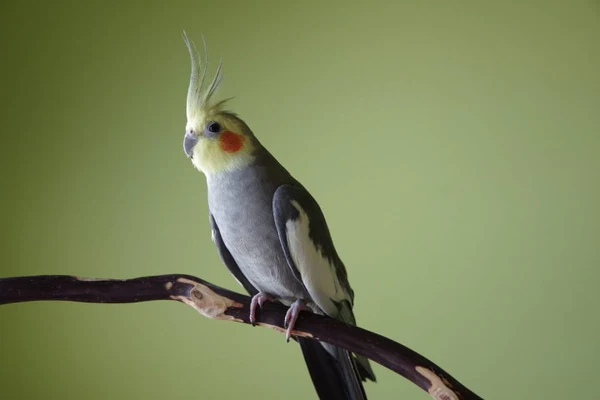


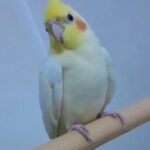
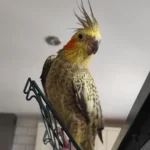





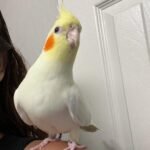

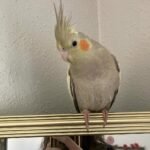
If you are considering bringing a cockatiel into your home, it helps to look beyond beautiful feathers and charming whistles. Our team at Buy Cocktiels focuses on the things new owners usually want to understand first: temperament, handling, feeding, housing, socialization, lifespan and everyday care. Cockatiels are social, intelligent companion birds, but they still have individual personalities, so the best experience comes from choosing a bird that fits your household and learning its habits patiently.
What Does Our Team at Buy Cockatiels Look For?
Our team at Buy Cockatiels believes that choosing a cockatiel should involve more than picking the prettiest bird in a group.
When I look at a young cockatiel, I pay attention to how it responds to people, how alert it appears and whether it shows curiosity about its surroundings. A lively, attentive bird is generally more reassuring than one that constantly appears withdrawn.
That does not mean every quiet cockatiel is unhealthy. Some are simply more reserved. Birds have personalities, and this is something new owners sometimes discover only after bringing one home.
A cockatiel may be confident one day and cautious the next, especially while adjusting to a new environment.
That is why patience matters.
Our Team at Buy Cockatiels on Choosing the Right Bird
The right cockatiel is not necessarily the one that immediately jumps onto your hand.
Some birds are naturally bold. Others watch carefully before approaching.
When choosing a cockatiel, consider:
- Age and development – Make sure the bird is appropriately weaned before taking it home.
- Temperament – Look for an alert bird that responds normally to its surroundings.
- Socialization – Ask how much gentle human interaction the bird has received.
- Current diet – Find out what food the cockatiel is already eating.
- Handling history – Ask whether it steps onto a hand or perch.
- General appearance – Look for clean feathers and clear-looking eyes.
- Activity level – A healthy-looking bird should generally be attentive and responsive.
- Individual personality – Consider whether its temperament suits your household.
- Care requirements – Be prepared for the commitment before purchasing.
- Long-term plans – Remember that a cockatiel can remain part of your family for many years.
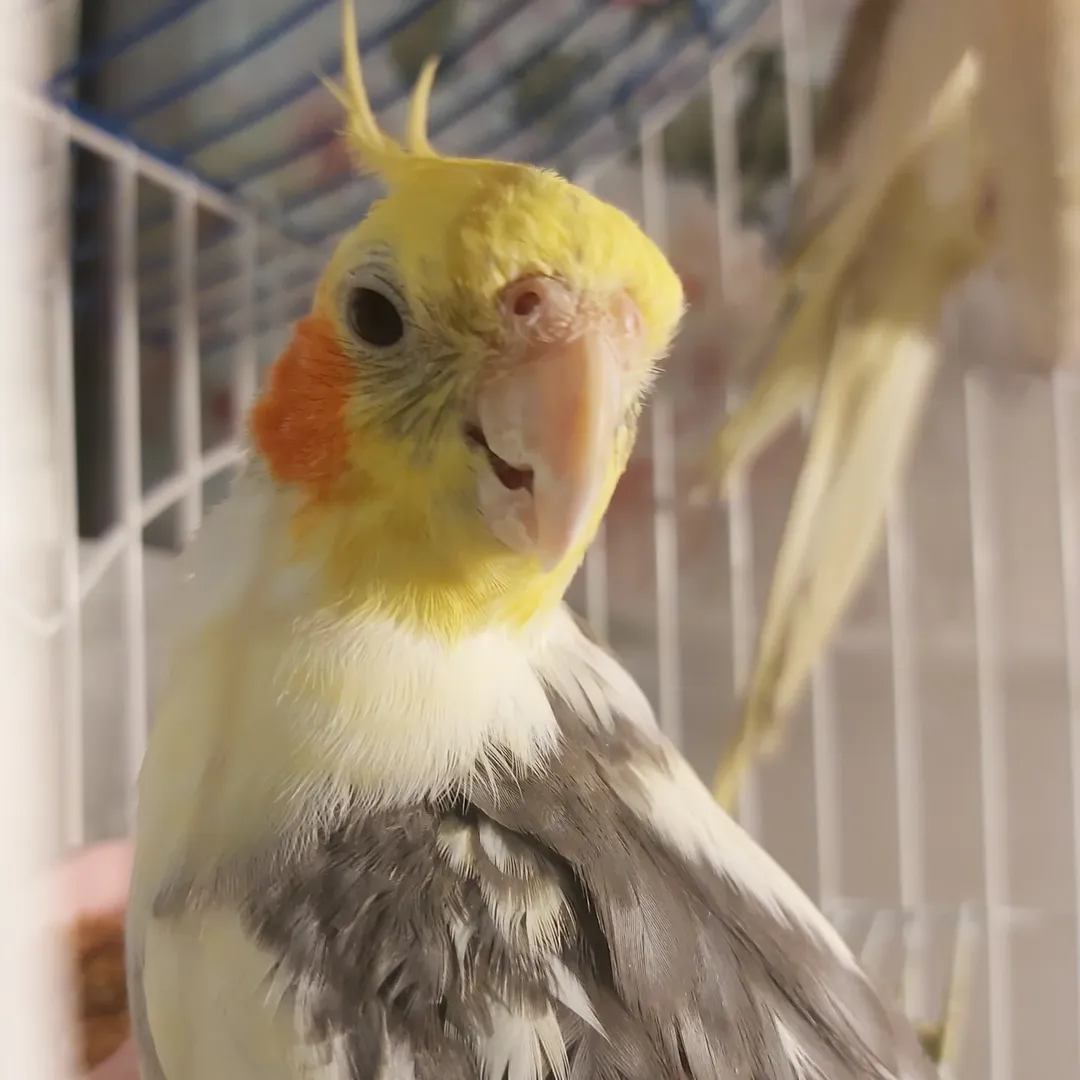
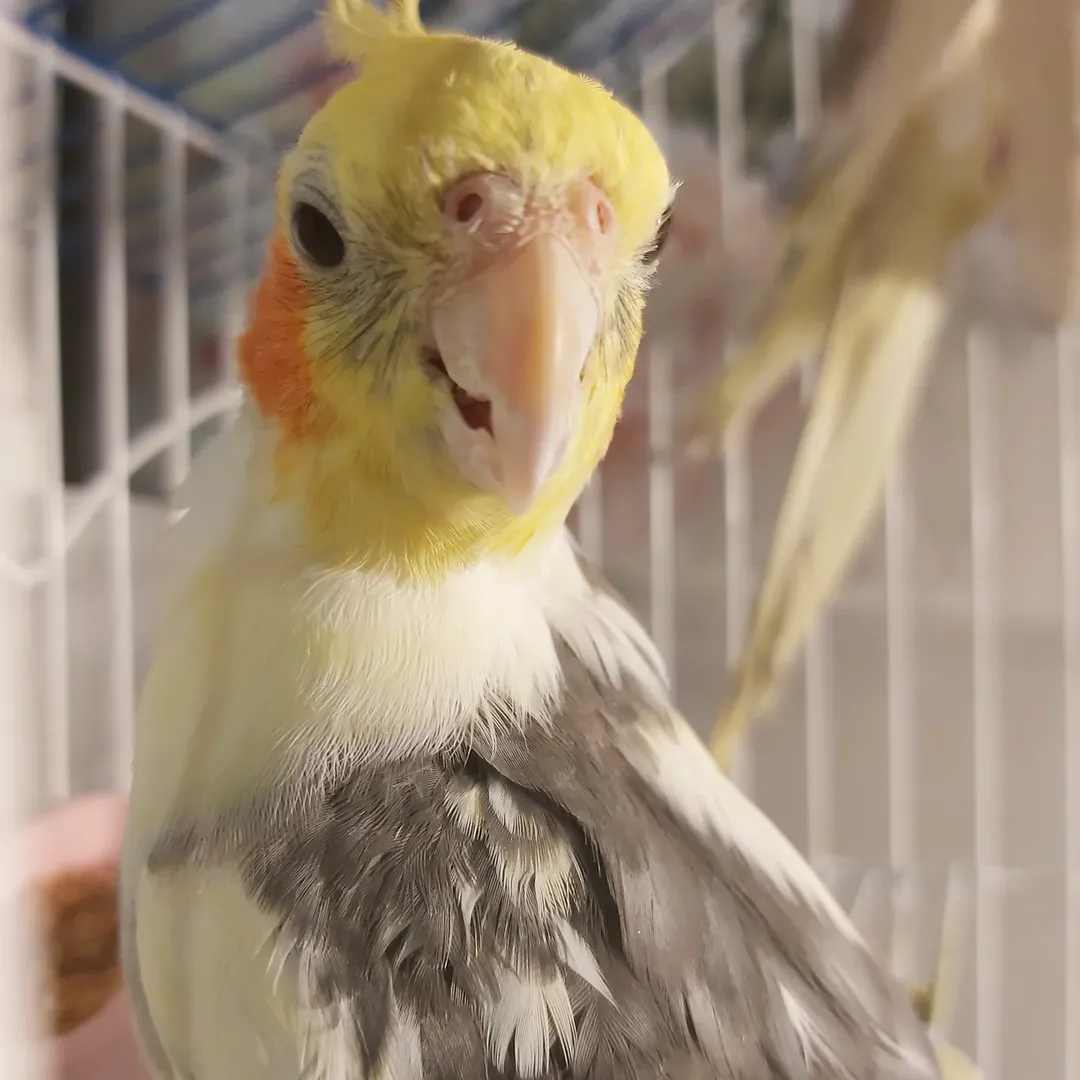
The color can be beautiful, of course. I love the different mutations myself. But personality should not be forgotten underneath all those pretty feathers.
Cockatiel Breed, Species and Color Mutations
One common point of confusion is the word “breed.”
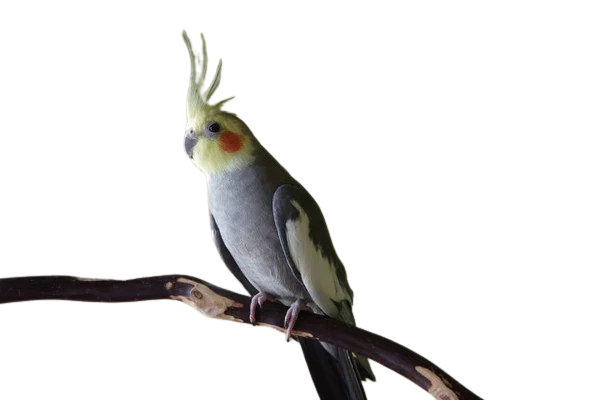
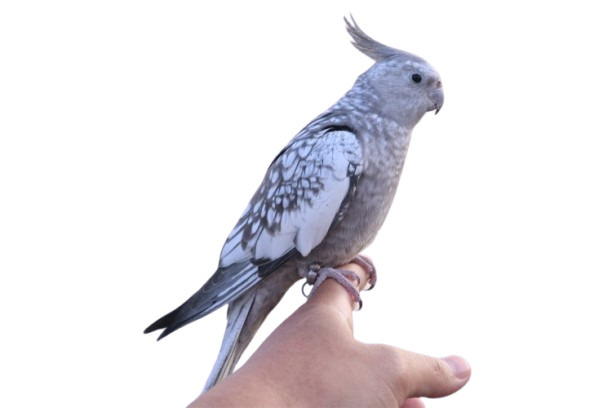
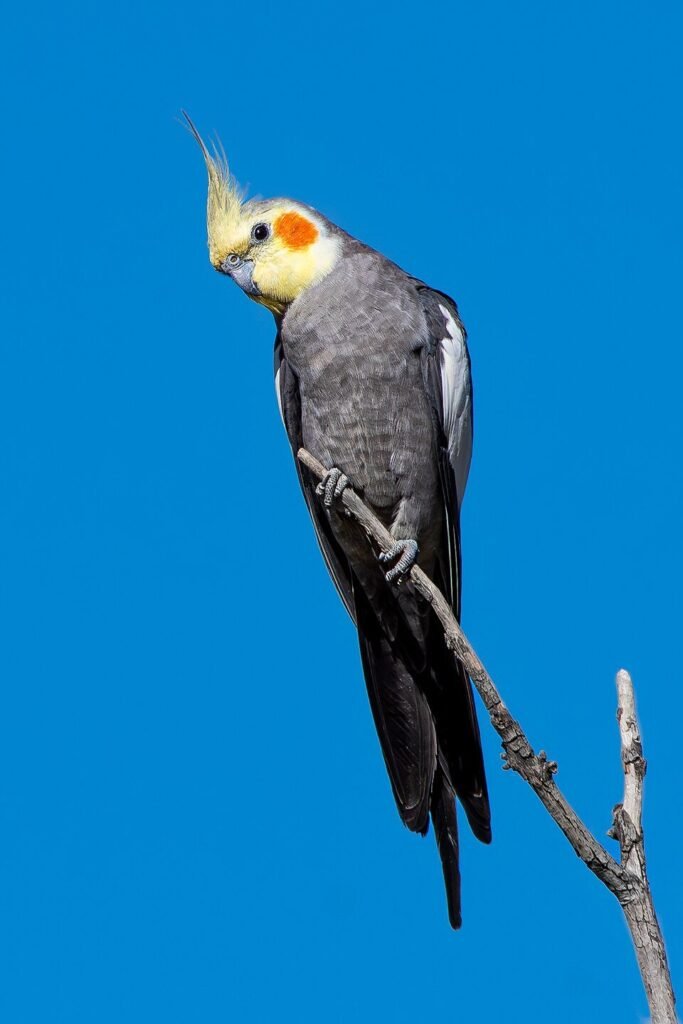
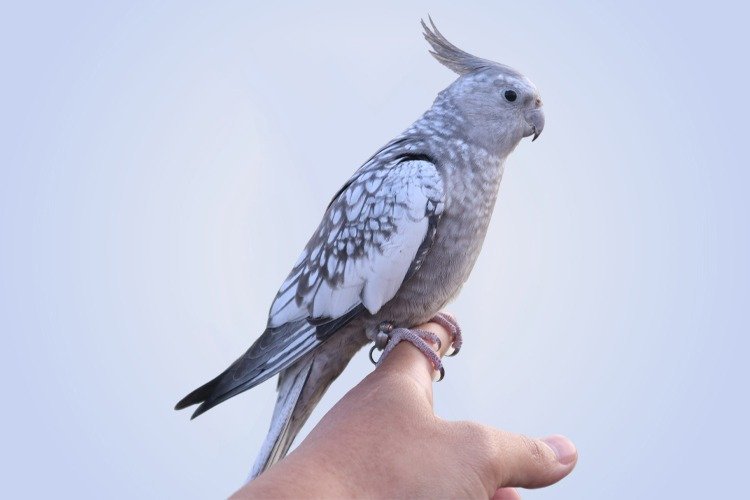
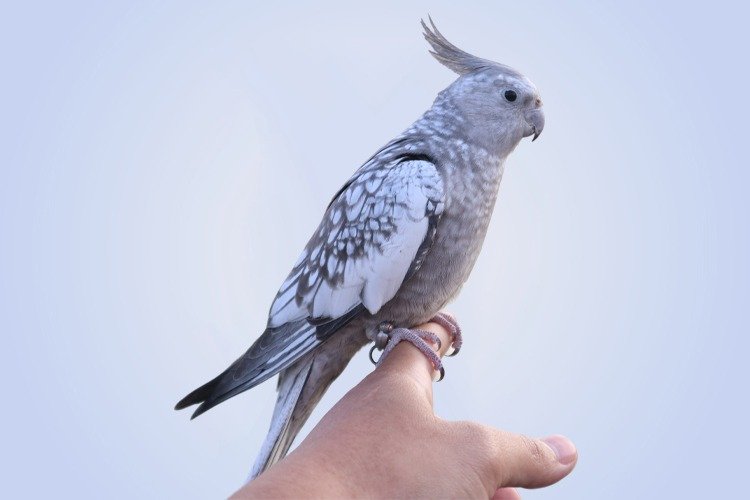
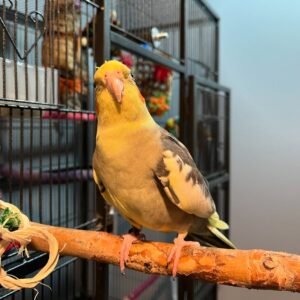
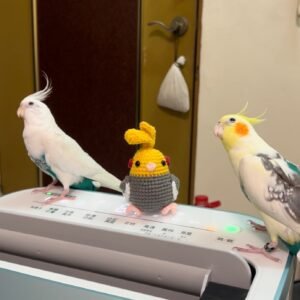
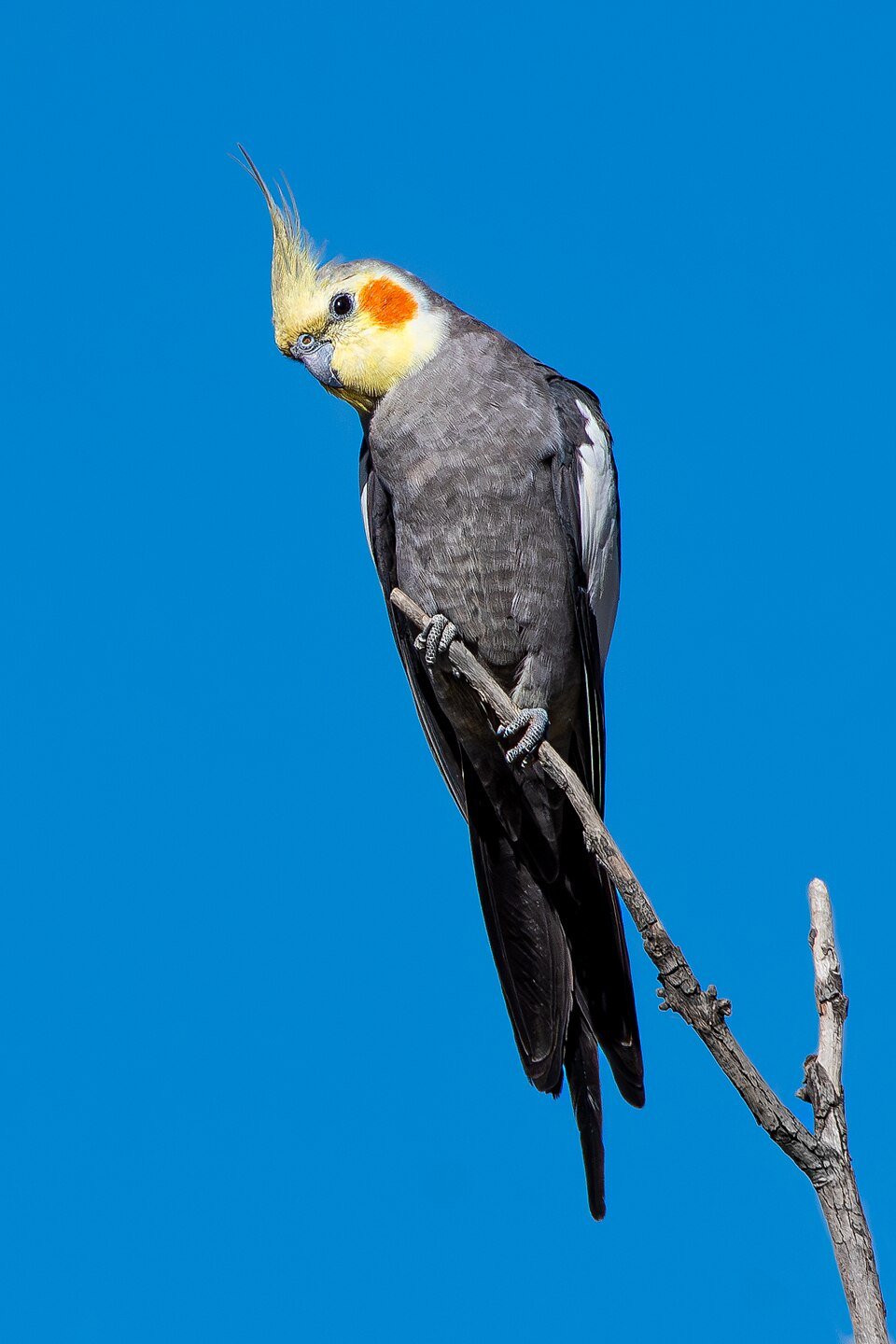
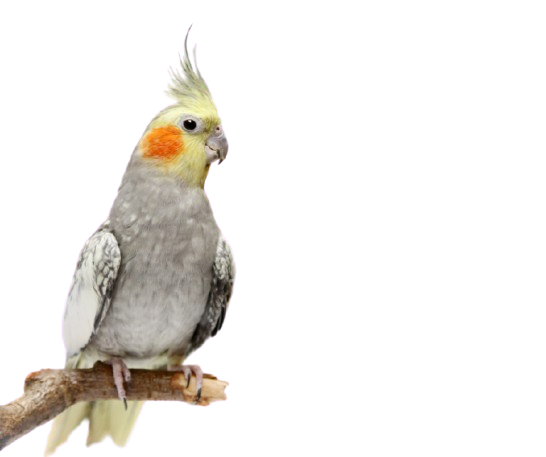
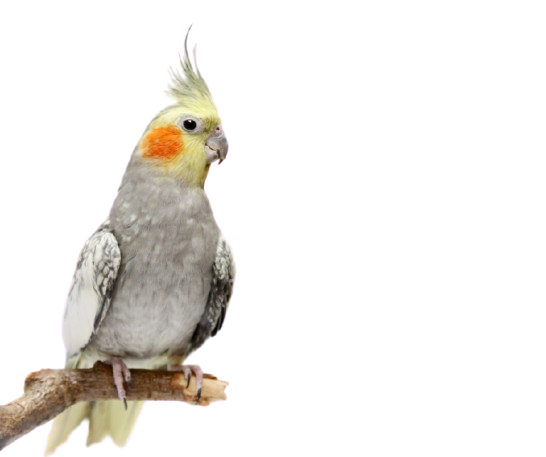
The companion cockatiel is Nymphicus hollandicus. What people often call different cockatiel breeds are generally color or pattern mutations rather than separate species.
You may encounter:
- Normal Grey
- Lutino
- Pearl
- Pied
- Cinnamon
- Whiteface
- Fallow
- Other established combinations and mutations
Color alone does not determine whether a cockatiel will be friendly, talkative or easy to train.
A Pearl cockatiel can have a completely different personality from another Pearl cockatiel. The same applies to Lutino, Pied, Cinnamon and other mutations.
That is something worth remembering when shopping for a companion bird.
How Our Team at Buy Cockatiels Approaches Socialization
Socialization is not about constantly handling a bird until it gives up resisting.
I prefer a slower approach.
Let the cockatiel see you. Talk calmly. Offer appropriate treats. Allow it to investigate your hand instead of immediately reaching toward it.
Eventually, many birds become curious.
Then you may notice the first little step toward your hand.
That moment is much more rewarding than forcing the bird into submission.
Young cockatiels can often adapt readily to new surroundings, but individual experiences still matter. Gentle exposure to different people and ordinary household situations can help a bird become more comfortable with its environment.
Feeding Advice From Our Team at Buy Cockatiels
Nutrition deserves serious attention because an attractive seed mixture does not automatically equal a complete diet.
Cockatiels benefit from a varied, nutritionally balanced feeding plan. Commercially formulated diets can provide important nutrients, while suitable vegetables and other fresh foods can add variety. Seeds can be included appropriately, but relying exclusively on seeds is not considered a complete approach to nutrition.
Fresh, clean drinking water should always be available.
I also recommend making diet changes gradually. Cockatiels can become attached to familiar foods, and suddenly changing everything in the bowl can create unnecessary resistance.
If a bird has been eating one particular food for months, patience is usually more useful than forcing a dramatic overnight change.
What Kind of Cage Does a Cockatiel Need?
A cockatiel needs enough room to move, stretch and interact with its environment comfortably.
The cage should accommodate appropriate perches, food dishes and toys without becoming so crowded that the bird loses useful flying or climbing space.
Bar spacing is also important because a cockatiel should not be able to squeeze its head through the bars.
The cage itself is only part of the environment, though.
A cockatiel also benefits from safe enrichment and opportunities to forage. Cockatiels naturally spend time searching for food, and providing suitable opportunities to explore can make captive life more interesting.
Handling a New Cockatiel
When a cockatiel first arrives, resist the temptation to show everyone how friendly it is.
Give it time.
The first few days should mainly be about allowing the bird to learn where the food is, where the water is and what the sounds of your home are like.
Sit nearby and talk quietly.
Eventually, you can begin introducing your hand.
If the bird moves away, stop and try again later.
A cockatiel that voluntarily approaches you is building a much stronger foundation for trust than one that has been repeatedly grabbed.
Can Cockatiels Talk and Whistle?
Yes, some cockatiels can learn to imitate words and phrases.
However, whistling is generally more natural for them. Individual birds vary considerably, and male cockatiels are often more inclined toward speech and vocal imitation.
Do not buy a cockatiel solely because someone promises that it will become a talking bird.
There are no guarantees.
One bird may learn “hello” beautifully. Another may spend its entire life perfecting whistles instead.
Personally, I think that is part of the charm.
Cockatiels as Family Pets
Cockatiels can fit well into family households when everyone understands how to treat them.
Children should learn that a bird is not a toy. They should not chase, squeeze or grab a cockatiel.
Adults should remain responsible for feeding, cleaning, veterinary care and safety.
The bird should also have a quiet place where it can retreat when it wants to rest.
A family cockatiel can become surprisingly interactive. It may recognize different voices, call when someone leaves the room and become excited when familiar people return.
Those small behaviors are often what turn a pet bird into a real member of the household.
Our Team at Buy Cockatiels: Preparing Before Your Bird Arrives
Before bringing your cockatiel home, prepare everything first.
Have these essentials ready:
- A secure and appropriately sized cage
- Safe perches of different suitable diameters
- Food and water dishes
- Appropriate nutritionally balanced food
- Suitable fresh-food options
- Safe toys and enrichment
- A quiet sleeping arrangement
- Cleaning supplies suitable for bird housing
- A plan for supervised out-of-cage time
- Contact information for a veterinarian experienced with birds
Do not wait until the bird arrives to discover that you still need a cage or appropriate food.
Preparation makes the first few days much calmer.
Daily Cockatiel Care Guide
A simple daily routine might include:
Morning: Refresh water and food, observe the bird’s behavior and clean soiled areas.
During the day: Provide interaction, enrichment and appropriate supervised activity.
Evening: Check food and water again and establish a predictable quiet period.
Pay attention to changes.
If your cockatiel suddenly becomes unusually quiet, stops eating normally, develops significant changes in droppings or shows other concerning behavior, veterinary advice is appropriate. Birds can hide signs of illness, so knowing what is normal for your individual cockatiel is particularly useful. Routine veterinary examinations are also recommended for companion cockatiels.
Common Mistakes New Cockatiel Owners Make
Some mistakes are surprisingly easy to make.
One is assuming that seeds should make up the entire diet.
Another is buying a cage that looks attractive but provides little usable space.
Some owners also give their bird too many toys at once. The cage becomes crowded, and the cockatiel has less room to move.
Then there is the handling mistake: trying to make the bird affectionate immediately.
Trust cannot be rushed.
Perhaps the biggest mistake is comparing one cockatiel with another. Your bird may never behave exactly like the cockatiel in a video you watched online.
That is okay.
Why Buy From an Experienced Cockatiel Source?
When choosing a cockatiel, ask questions rather than relying only on photographs.
Ask about the bird’s age, current diet, socialization, weaning status, temperament and daily routine.
Our team at Buy Cocktiels believes prospective owners should understand what they are taking home before making a decision. A cockatiel is not a temporary purchase. It is a long-term companion that needs proper food, housing, attention and veterinary care.
Take your time.
The bird you choose will have its own personality, habits and preferences, and those details matter much more once the excitement of bringing it home has passed.