Do cockatiels talk and learn words
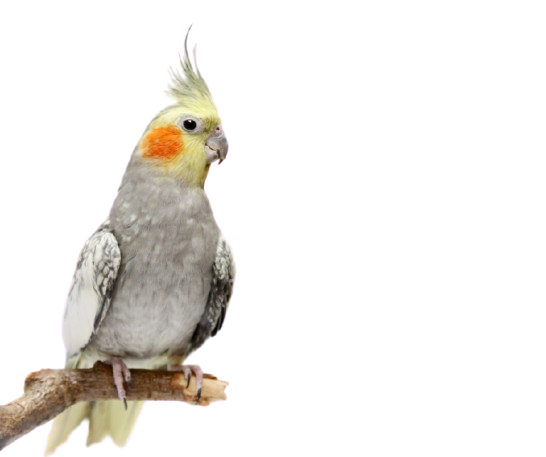
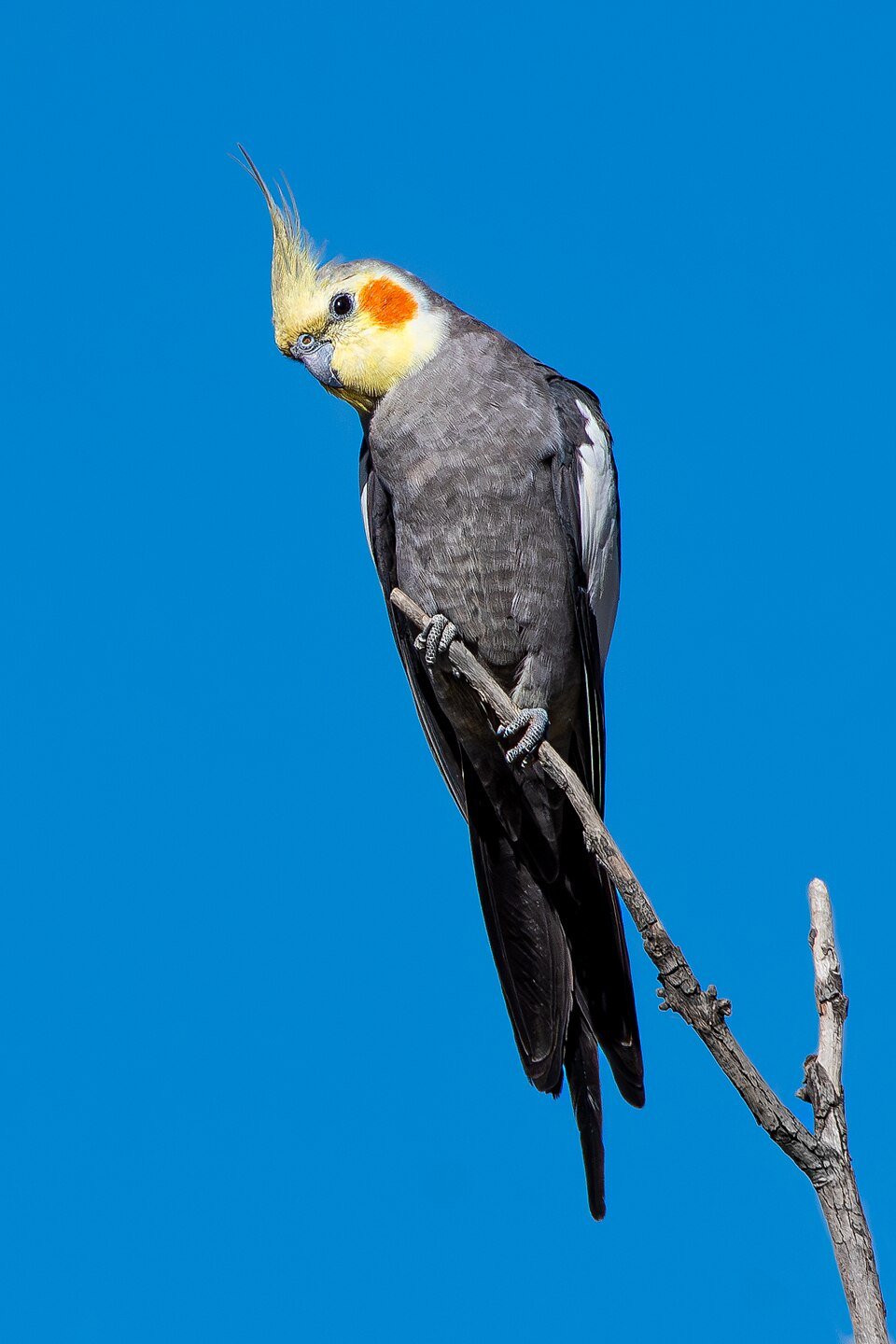
Do cockatiels talk and learn words? Yes, some cockatiels can learn to imitate human words and short phrases, although their ability varies considerably from bird to bird. Cockatiels are especially well known for whistling, copying household sounds and learning familiar tunes, while some individuals become surprisingly good at repeating words they hear often. The key is patience: a cockatiel that does not speak may still be highly intelligent, social and wonderfully interactive.
Do Cockatiels Talk and Learn Words Naturally?
When people ask me do cockatiels talk and learn words, I usually explain that talking is not their main form of communication.
In the wild, cockatiels communicate through calls, whistles and other vocal sounds. A pet cockatiel may discover that human speech is another interesting sound worth copying.
Some birds pick up a word almost accidentally. You might say “hello” every morning and, weeks later, hear a strange little version of it coming from the cage.
It can happen when you are not even trying.
Other cockatiels never develop recognizable speech but become excellent whistlers. I have seen owners become disappointed because their bird did not talk, only to realize that it had learned their favorite ringtone, household whistle or another sound perfectly.
So yes, cockatiels can talk and learn words, but speech should be treated as a possibility rather than a promise.
How Many Words Can a Cockatiel Learn?
There is no reliable number that applies to every cockatiel.
One bird may learn a few recognizable words. Another may memorize several phrases. Some never develop clear human speech at all.
Unlike a vocabulary test, cockatiel speech tends to develop through repetition and association. A bird may learn a sound because it hears it frequently, enjoys making it, or receives attention when it repeats it.
The clarity can also be amusingly unpredictable.
You may understand exactly what your cockatiel is saying while a visitor hears nothing but enthusiastic bird sounds.
That is perfectly normal.
Are Male Cockatiels More Likely to Talk?
Male cockatiels are often regarded as more vocal and more likely to imitate whistles and speech, particularly as they mature.
However, I would be careful about treating sex as a guarantee.
A male is not automatically going to become a talking bird, and a female should not be assumed to have no vocal ability. Individual temperament matters.
If you are buying a cockatiel specifically because you want a talking companion, ask about the individual bird’s current vocal behavior rather than choosing solely on sex.
At Buy Cocktiels, I would rather explain what a particular bird actually does than promise that it will become a perfect talking cockatiel.
Why Do Cockatiels Learn Words?
Cockatiels are observant birds.
They pay attention to sounds around them, particularly sounds that occur repeatedly. A phrase spoken every morning may eventually become familiar enough for the bird to attempt an imitation.
Attention can reinforce this behavior too.
Imagine your cockatiel makes an unusual sound and everyone in the room immediately turns around and laughs. The bird may discover that this sound gets a reaction.
So it does it again.
And again.
Sometimes the bird seems to be training the people instead.
This is one of the entertaining parts of living with a vocal cockatiel.
How to Teach a Cockatiel to Talk
If you want to encourage your cockatiel to learn words, start with one short phrase.
Something like:
“Hello.”
Keep the pronunciation clear and use the same tone each time.
Repeat it naturally during quiet moments rather than talking continuously at the bird. A few minutes of focused interaction can be more useful than an exhausting training session.
Step 1: Choose one word
Do not begin with ten different phrases.
Pick a short, easy word that you naturally use around the bird.
Step 2: Repeat it consistently
Use the same word every day. Cockatiels learn through repeated exposure.
Step 3: Reward attempts
If your cockatiel makes a sound that resembles the target word, respond positively. A favorite treat, praise or attention can reinforce the behavior.
Step 4: Keep sessions relaxed
If the bird loses interest, stop.
Training should feel like interaction, not an examination.
Step 5: Build gradually
Once a word becomes familiar, you can introduce another phrase. I think owners sometimes rush this part. They hear one successful word and immediately start teaching five more.
Slow down.
Let the bird enjoy the first achievement.
What Words Are Easiest for Cockatiels to Learn?
Short, clear words are generally the easiest starting point.
You might try:
- Hello
- Hi
- Pretty bird
- Good morning
- Come here
- Good bird
- Peekaboo
The exact word is less important than how consistently you use it.
A phrase that is repeated naturally every day gives the cockatiel many opportunities to hear the same sound pattern.
You may also notice that your bird chooses a completely different sound to imitate.
That happens.
I once would have expected owners to focus entirely on teaching words, but many eventually tell me their cockatiel prefers whistles. That is not a failure. Whistling is a perfectly normal and often very entertaining part of cockatiel vocal behavior.
Can Cockatiels Understand the Words They Say?
This is where things become interesting.
A cockatiel can learn to associate certain sounds with events or reactions. For example, it may become excited when it hears a familiar phrase that usually comes before interaction or food.
But repeating a word does not necessarily mean the bird understands human language in the same way people do.
It is safer to think of talking as sound imitation combined with learned associations rather than assuming your cockatiel understands every sentence it repeats.
That does not make the behavior less impressive.
Do Cockatiels Talk Better With Their Owners?
Often, familiarity helps.
A cockatiel that spends substantial time around people has more opportunities to hear human speech. It also becomes familiar with particular voices, tones and routines.
This is another reason socialization matters.
If you want a vocal companion, spend time talking to your bird during normal daily activities. You do not need to turn every moment into formal training.
Say hello when you enter the room.
Talk while changing the water.
Repeat a favorite phrase when the bird is relaxed.
Over time, these ordinary interactions become part of its environment.
Cockatiel Whistling vs. Talking
If your main goal is a vocal bird, do not overlook whistling.
Cockatiels are naturally gifted little whistlers. Some can reproduce melodies with surprising accuracy, and many enjoy responding when their owners whistle back.
In fact, a cockatiel that never learns human words may still become an extremely interactive bird through whistles and calls.
Sometimes owners come to me expecting a talking cockatiel and end up completely fascinated by the bird’s whistling instead.
That is one of those things you cannot always predict before the relationship develops.
How Long Does It Take a Cockatiel to Learn Words?
There is no fixed timetable.
One cockatiel might imitate a word after repeated exposure for several weeks. Another may take months. Some never develop recognizable human speech.
Age, personality, socialization, motivation and the bird’s individual vocal tendencies can all influence the process.
For that reason, avoid comparing your bird too closely with videos online.
You might see a cockatiel repeating a long phrase beautifully and wonder why yours only whistles.
Your bird is not necessarily less intelligent.
It may simply have different interests.
List of Qualities to Look for When Choosing a Vocal Cockatiel
If talking and vocal interaction are particularly important to you, consider these points when speaking with a breeder:
- Ask about the bird’s current vocal habits.
- Find out whether it already whistles regularly.
- Ask whether the bird imitates household sounds.
- Discuss the bird’s personality and confidence.
- Ask how frequently it has interacted with people.
- Find out whether the bird is comfortable around human voices.
- Ask about the bird’s age.
- Observe how it reacts to unfamiliar sounds.
- Listen to the bird yourself when possible.
- Do not accept guaranteed promises about future speech.
A breeder can describe what a bird does now, but nobody can honestly guarantee exactly how its vocal abilities will develop years later.
Cockatiel Species and Talking Ability
The companion cockatiel belongs to the species Nymphicus hollandicus.
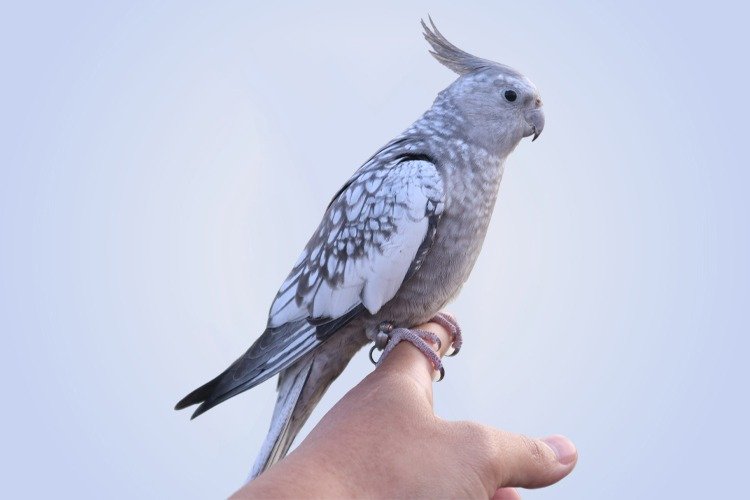
Normal Grey, Lutino, Pearl, Pied, Cinnamon and Whiteface cockatiels are color or pattern mutations rather than separate species.
There is no particular color mutation that guarantees superior talking ability.
If vocal behavior is important to you, focus more on the individual bird’s temperament, socialization and existing vocal habits.
A beautifully colored bird that rarely vocalizes may remain that way. Another bird with ordinary markings might surprise you with its imitation skills.
Common Mistakes When Teaching Cockatiels to Talk
One mistake is repeating the word too aggressively.
If you spend thirty minutes saying the same phrase over and over, your cockatiel may simply lose interest.
Another mistake is changing words constantly. If you want the bird to learn “hello,” but you alternate between “hello,” “hi there,” “good morning” and several other phrases, you are making the target less consistent.
Finally, do not punish a bird for failing to speak.
Speech is a bonus, not an obligation.
The goal should be communication and companionship rather than producing a performing bird.
Creating a Good Environment for a Vocal Cockatiel
A cockatiel that feels safe is more likely to engage naturally with its surroundings.
Provide a comfortable cage, appropriate food, clean water, safe toys, suitable perches and regular interaction. Give the bird enough quiet time to sleep and rest.
Avoid exposing it to smoke, harsh fumes or other household hazards.
And remember that cockatiels can be surprisingly expressive. A bird that is comfortable may chatter, whistle, contact-call and imitate sounds simply because it enjoys doing so.
That is worth appreciating even if no recognizable word ever appears.
Should You Buy a Cockatiel That Already Talks?
If you specifically want a talking cockatiel, an already vocal young bird may be appealing.
Still, I would not make speech your only buying criterion.
Look at health, temperament, socialization, age, feeding history and general behavior first.
At Buy Cocktiels, I would encourage prospective owners to think about the complete companion rather than purchasing based on one trick.
A friendly cockatiel that whistles, steps onto your hand and enjoys your company can be a fantastic pet even if its vocabulary remains limited.
Conclusion
Do cockatiels talk and learn words? Yes, some do, and individual cockatiels can become surprisingly capable imitators. However, speech is not guaranteed. Cockatiels are naturally better known for whistles and other vocal sounds, and some birds will prefer those sounds throughout their lives.
If you want to encourage talking, start with short phrases, repeat them consistently, reward attempts and keep training relaxed. Most importantly, enjoy the bird you actually have rather than comparing it with another cockatiel.
A cockatiel does not need a large vocabulary to become a wonderful companion. Sometimes one familiar whistle from across the room is enough to remind you that your little bird is listening.
Frequently Asked Question
Do cockatiels talk and learn words if they are trained every day?
They can, but daily training does not guarantee speech. Regular, relaxed interaction can encourage vocal imitation, especially when you repeat short phrases consistently and reward attempts. Some cockatiels become good talkers, while others prefer whistling and copying environmental sounds. Both are normal.