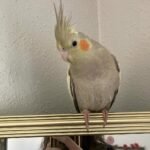
Cockatiels Care

Cockatiels Care

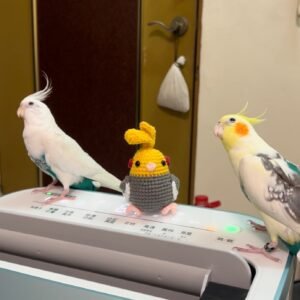
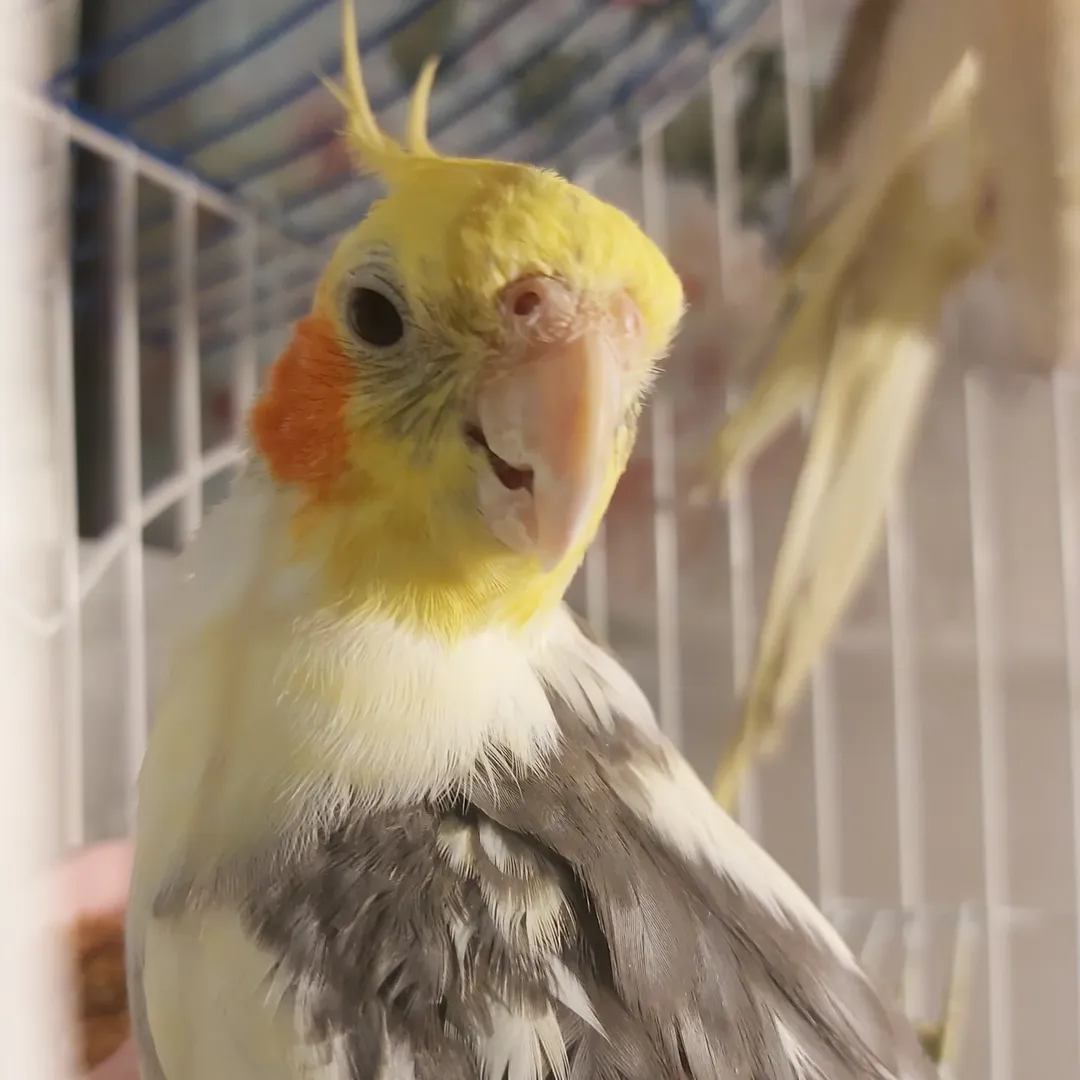
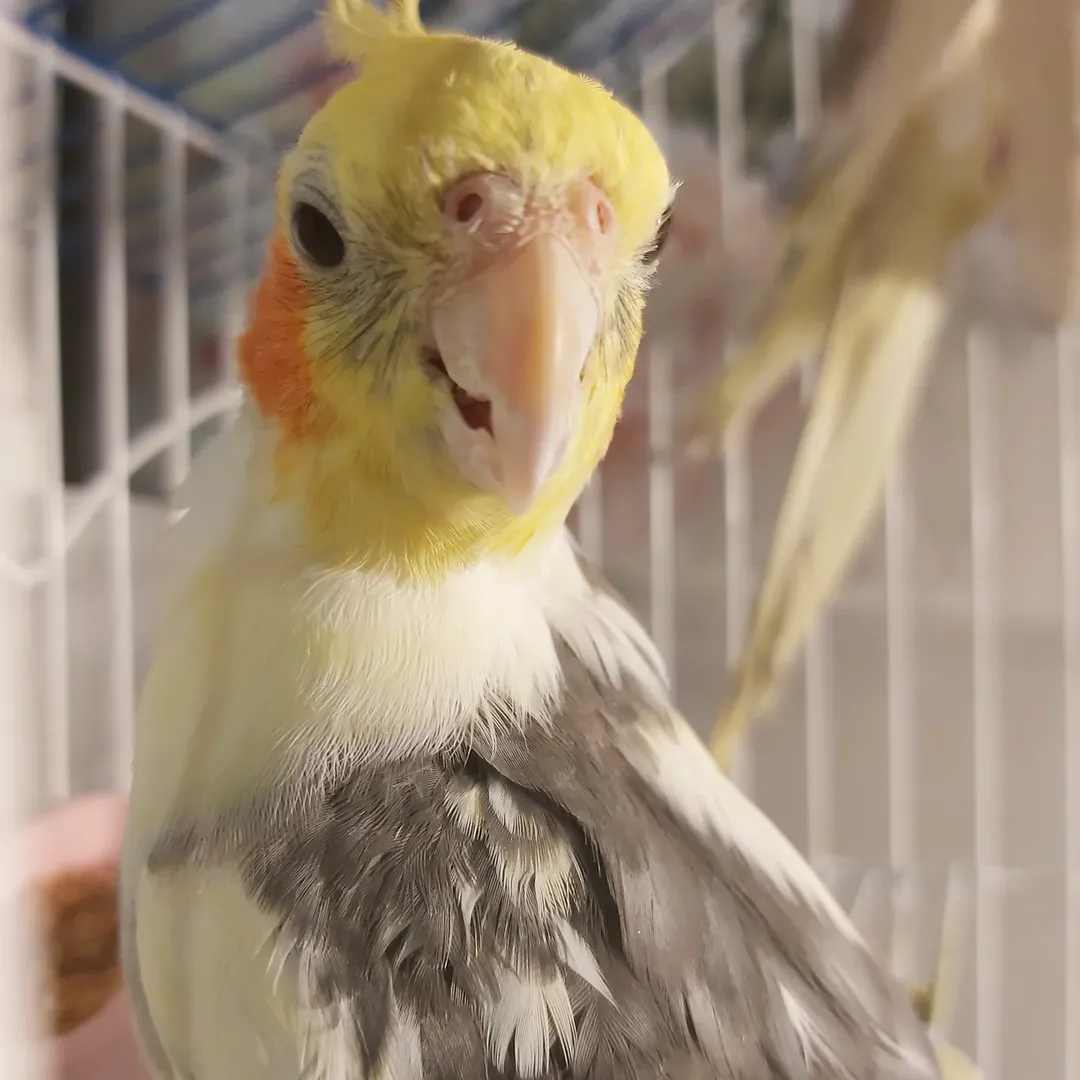
Cockatiels Care starts with understanding one simple thing: these birds need much more than seed, a cage, and fresh water. A healthy cockatiel needs suitable housing, a varied diet, daily interaction, safe exercise, mental stimulation, and regular attention to changes in its behavior. After keeping and working with cockatiels, I have found that the small daily habits are usually what make the biggest difference.

What Does Good Cockatiels Care Actually Involve?

Good Cockatiels Care is really a routine. Food and water need to be checked every day, the cage needs regular cleaning, and your bird should have opportunities to move, climb, explore, and interact.

Cockatiels are social parrots and can become bored when they spend too much time confined without stimulation. They also need enough space to flap and move comfortably. RSPCA guidance recommends providing substantial flying space and regular supervised time outside an indoor cage.

One mistake I see new owners make is buying a beautiful cage that is simply too crowded. A few good perches and carefully chosen toys are generally more useful than filling every available space. Your cockatiel should still have room to move naturally.

Cockatiel Cage Setup and Daily Environment

For practical Cockatiels Care, start with the cage rather than the decorations.

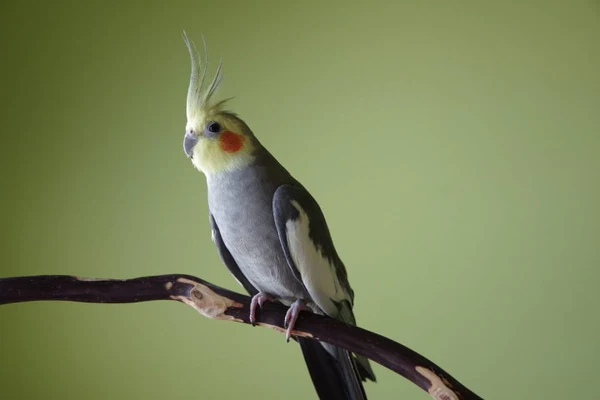
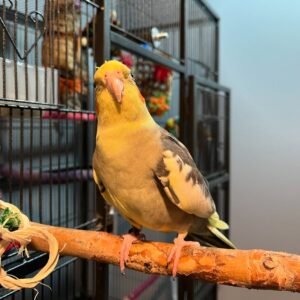
Use several natural wooden perches with different diameters and positions. This gives the feet different surfaces to grip and encourages movement. Keep food and water away from areas where droppings can fall into them.

I also like to change toys occasionally. You do not have to buy something new every week. Rotating safe toys can make an old favorite interesting again, particularly when you introduce simple foraging activities.

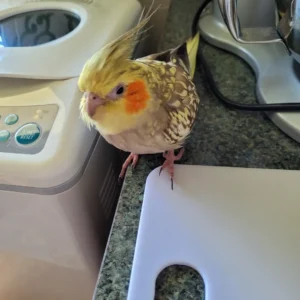
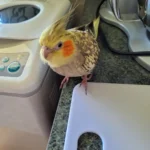
Place the cage away from kitchens, smoke, strong fumes, excessive drafts, and direct sources of heat. Non-stick cookware can release fumes that are dangerous to birds, so the kitchen is not an appropriate place for a cockatiel.

Cockatiels Care and the Right Diet

Diet is one area where beginners can easily get into trouble.

Seeds can be part of a cockatiel’s diet, but they should not become the entire diet. Current RSPCA guidance recommends balanced pellets alongside fresh vegetables and fruit, with seeds making up only a smaller portion for cockatiels.

When changing food, do it gradually. A cockatiel that has eaten one type of seed mixture for years may not immediately recognize pellets or vegetables as food. I would rather see a careful transition than a sudden change that leaves the bird eating very little.

Fresh drinking water should be available every day, and food dishes should be kept clean. Remove spoiled fresh food rather than allowing it to sit around.

Exercise, Flying and Mental Stimulation

A major part of Cockatiels Care is giving your bird something to do.

Cockatiels are active, curious birds. When safely supervised outside the cage, they can climb, fly between perches, interact with their owner, and investigate their surroundings.

Before allowing free flight, close doors and windows, switch off ceiling fans, cover dangerous reflective surfaces where appropriate, and remove access to kitchens or other hazards. RSPCA guidance also recommends providing opportunities for natural flying and foraging rather than keeping birds confined continuously.

For mental stimulation, try simple activities such as hiding a small amount of food inside a safe foraging toy. Sometimes the simplest cardboard or paper-based activity keeps a cockatiel occupied longer than an expensive toy.

Socialization and Cockatiel Behavior

Cockatiels have individual personalities. One may step onto your hand immediately, while another needs several weeks before it feels completely comfortable.

Do not force interaction.

Sit near the cage, speak calmly, offer treats, and allow the bird to approach at its own pace. Positive training can eventually teach a cockatiel to step onto your hand or a handheld perch and return to its cage when requested.

Pay attention to body language too. A frightened bird may move away, become unusually still, or try to escape. An agitated bird may lunge or display other defensive behavior. Learning these signals makes everyday Cockatiels Care much easier.

Can Cockatiels Live With Other Cockatiels?

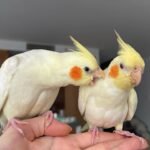
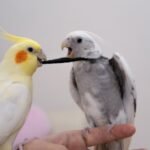
Yes, cockatiels are social birds and can live successfully with other compatible cockatiels when housing is appropriate. However, I would never recommend simply putting a new bird straight into an established bird’s cage.

Introduce them gradually.

Separate cages allow the birds to see and hear one another without forcing immediate contact. Watch their reactions before allowing supervised meetings in a neutral area. RSPCA guidance recommends gradual introductions and watching carefully for aggression, particularly around food and preferred perches.

Remember, being the same species does not guarantee that two individual birds will become close companions.

Cockatiel Species, Mutations and What Buyers Should Know

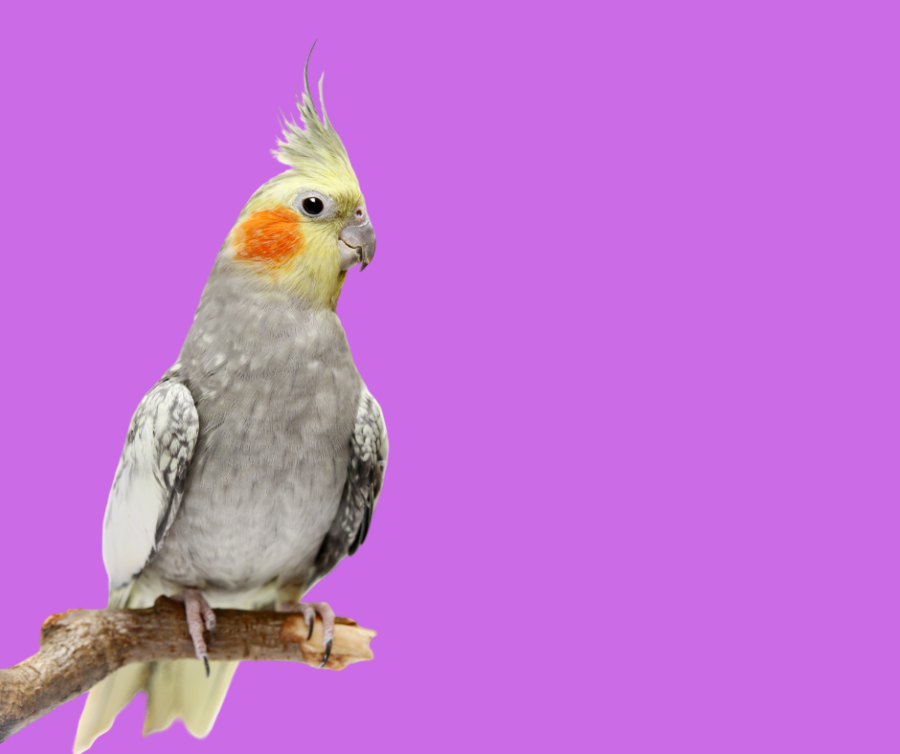
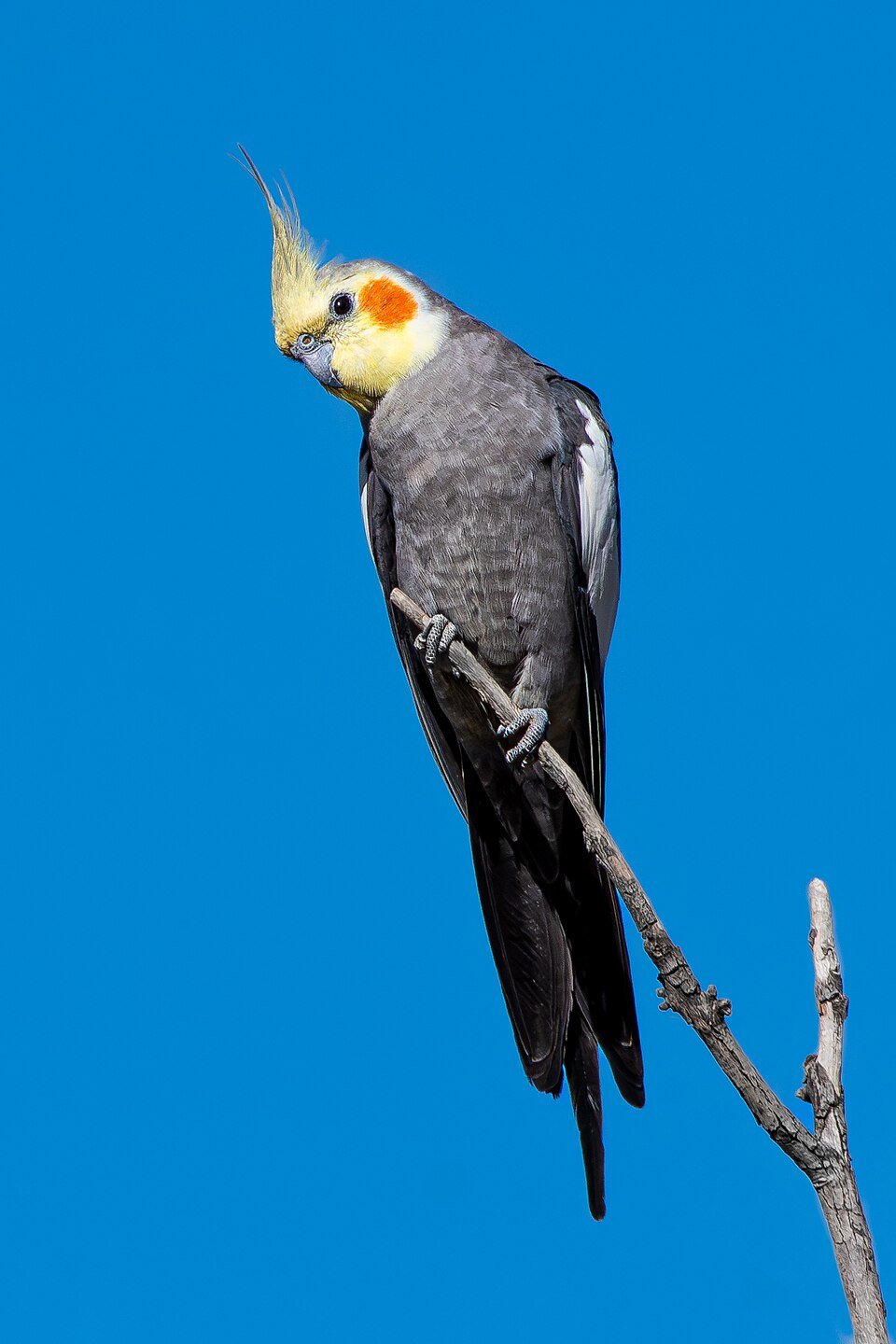
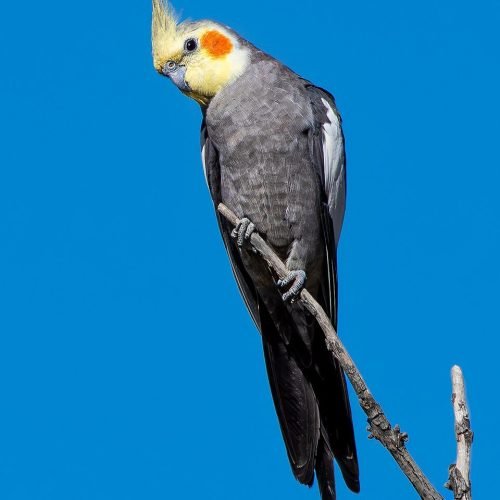
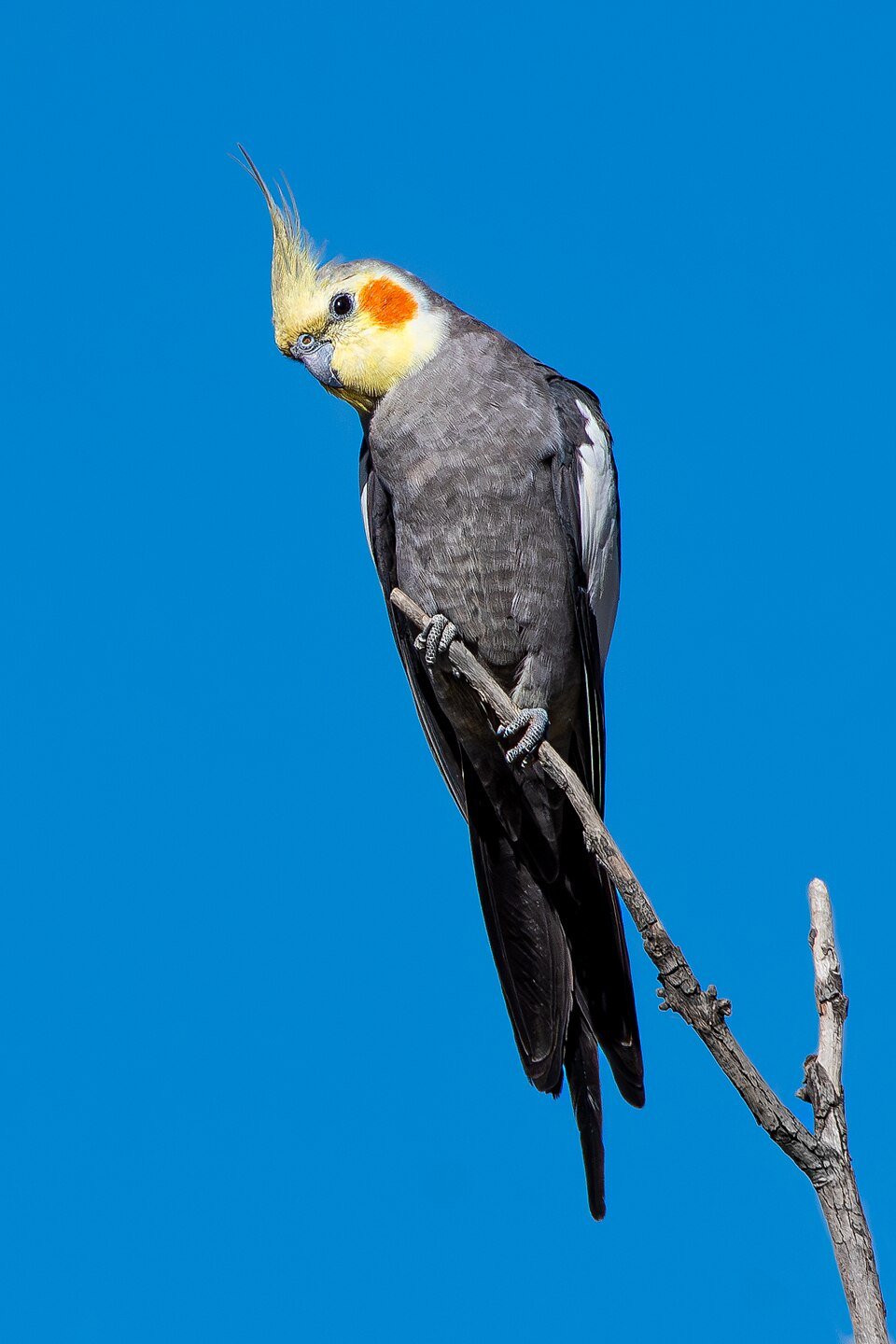
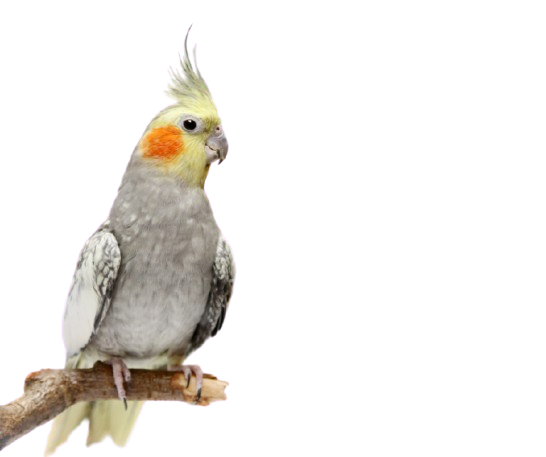
There is an important point that often gets confused online: the domestic cockatiel is generally Nymphicus hollandicus, rather than a collection of different cockatiel species.

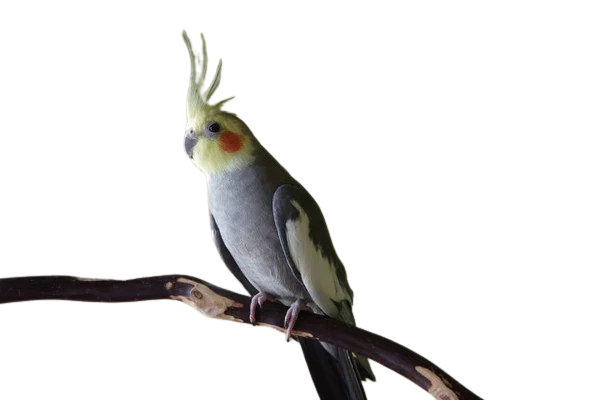
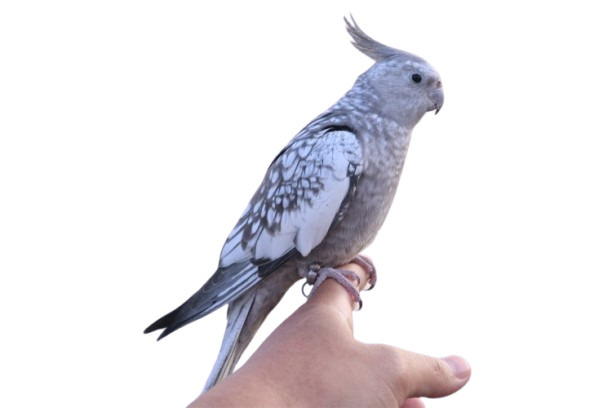
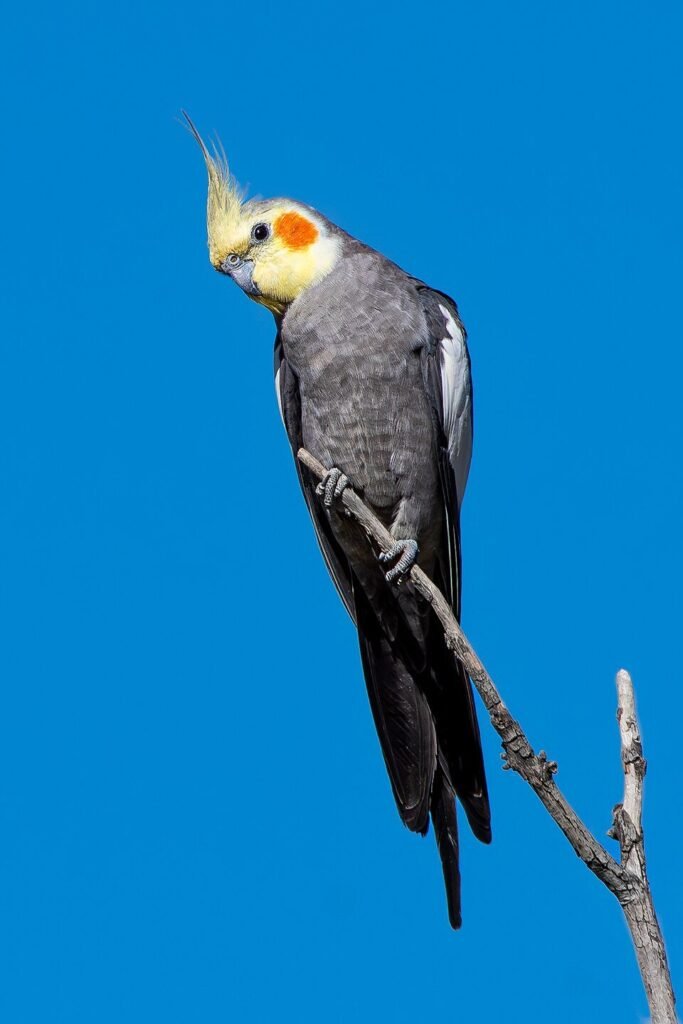
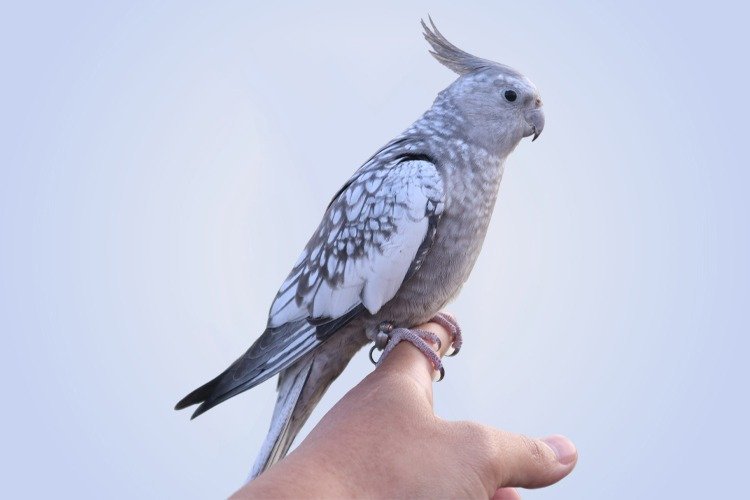
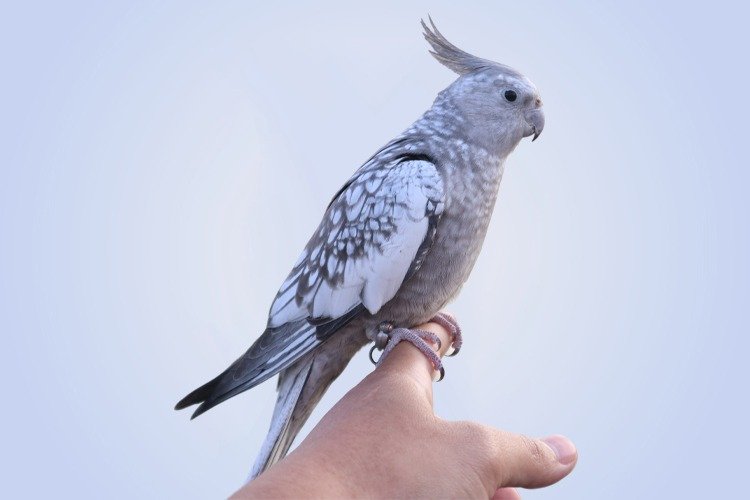
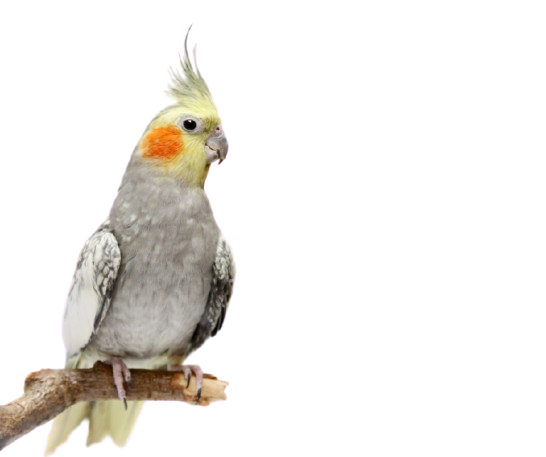
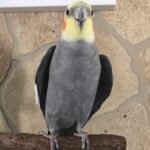
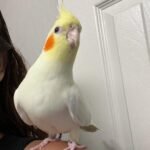
What buyers usually mean by “different types” are color mutations or varieties, such as normal grey, lutino, pied, pearl, cinnamon, whiteface, and combinations of these traits.

When considering a bird, I would pay more attention to its health, upbringing, temperament, diet, and breeder practices than simply choosing the rarest-looking mutation. A striking color does not automatically mean a better pet.

How to Identify a Responsible Cockatiel Breeder

If you are researching breeders before buying, make the breeder part of your Cockatiels Care decision.

A responsible breeder should be willing to discuss:

  1. How the chicks were raised — Ask whether they were parent-raised, hand-fed, or socialized through regular human interaction.
  2. Current diet — A breeder should be able to tell you exactly what the young bird is eating.
  3. Age and weaning — Never choose a bird simply because it is available early. A properly weaned youngster should be eating independently.
  4. Health history — Ask what health checks have been performed and what signs of illness the breeder watches for.
  5. Housing conditions — Clean, appropriately sized housing and healthy-looking birds are important observations.
  6. Temperament — A good breeder should know the personalities of individual chicks rather than treating every bird as identical.
  7. After-sale guidance — A breeder who continues answering reasonable care questions is often more useful than someone focused only on completing a sale.
  8. Transparency — Be cautious when basic questions about age, diet, parentage, or living conditions are avoided.

At Buy Cocktiels, I believe buyers should understand the bird’s needs before bringing one home. As mr. Parrot, I would always encourage a new owner to prepare the cage, food, safe flying area, and daily routine first.

A Simple Cockatiels Care Routine for New Owners

A straightforward routine helps enormously.

Morning: replace drinking water, provide fresh food, check the bird’s appearance and behavior, and clean obviously soiled areas.

During the day: provide interaction, supervised exercise, training, and opportunities for play or foraging.

Evening: check food and water again, tidy the cage, and give your cockatiel a quiet period before sleep.

The exact routine can vary between households. What matters is consistency. Cockatiels quickly learn household patterns, and a predictable environment can make them feel secure.

Signs That Your Cockatiel May Need Attention

Birds can hide illness surprisingly well. That means a noticeable change deserves attention rather than being dismissed as your bird simply having a quiet day.

Watch for changes in appetite, weight, droppings, breathing, activity, posture, feather condition, or normal vocal behavior. If something seems significantly different, contact an avian or bird-experienced veterinarian rather than trying to diagnose the problem yourself.

Regular observation is one of the most valuable parts of Cockatiels Care because you learn what is normal for your particular bird.

Award win icon
0 +

Awards Win

happy-clients-icon
0 k
Happy Clients
Professional-vets-icon
0 +
Professional Vets
protection-icon
0 %
Protection
buy cockatiels

NEWS LETTER

Subscribe To Our Newsletter

buy cockatiels

are you welcoming a beautiful cockatiel into your home today? contact us for more information regarding these birds

+1

Got Questions? Call us 24/7

Working Hours

Monday – Saturday
12:00 pm – 14:45 pm
Sunday – Thursday
17:30 pm – 00:00 pm
Friday – Saturday
17:30 pm – 00:00 pm

Contact Us

Address:

965 Stonehill Ln, Los Angeles, CA 90049

Email:

mrparrotbreeders@gmail.com