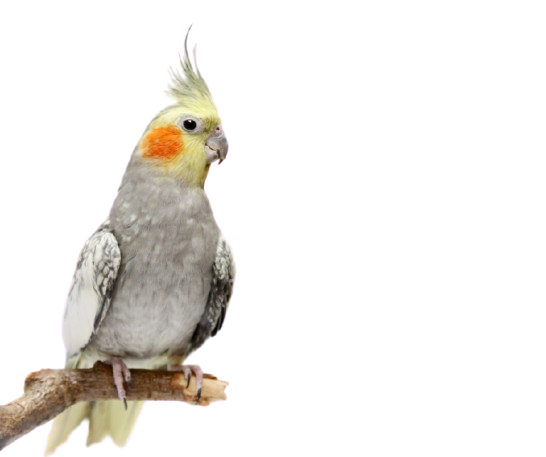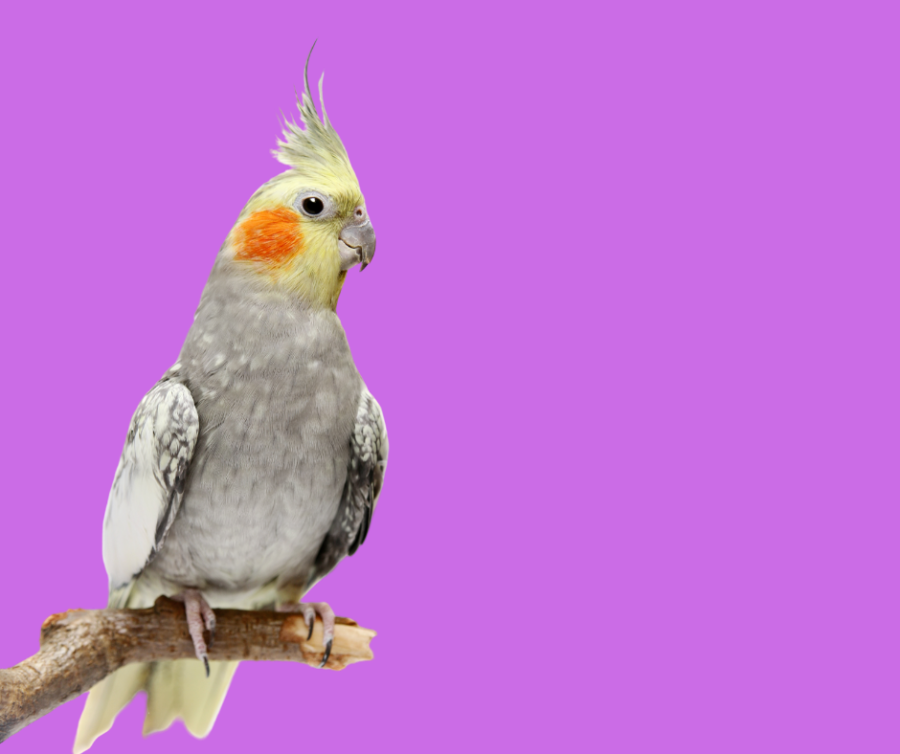
Are cockatiels easy to tame and handle
Are cockatiels easy to tame and handle? In most cases, yes. Cockatiels are naturally social, intelligent companion birds, and a young bird that has been gently handled and properly socialized can become comfortable stepping onto a hand, sitting on a shoulder, and interacting with people. But there is an important catch: tameness is not simply a feature you buy. A cockatiel still needs patience, routine, and trust-building after coming into a new home.
Are Cockatiels Easy to Tame and Handle as Pets?
When people ask me whether cockatiels are easy to tame and handle, I usually tell them to look beyond age and appearance. The bird’s previous experiences matter enormously.
A youngster that has regularly experienced gentle human contact will often be curious rather than frightened when a hand approaches. The Association of Avian Veterinarians notes that young, hand-raised cockatiels tend to adapt readily to new surroundings and handling procedures. Proper early socialization also helps them cope with unfamiliar situations later in life.
Still, I would not promise that every baby cockatiel will step onto your finger on the first evening. Moving homes is a big event for a small prey animal. New cage, unfamiliar voices, different smells, new lighting — everything has changed.
That is where patience becomes more important than technique.
What Makes a Cockatiel Easy to Handle?
The easiest cockatiels to handle are usually birds that have learned that human hands are safe. This is one reason I pay close attention to socialization when raising young birds.
A cockatiel should gradually become accustomed to ordinary household activity, gentle voices, hands approaching without chasing, and being moved calmly from one perch to another. Veterinary guidance also emphasizes that young, properly socialized cockatiels are generally adaptable and can become comfortable with handling.
There is another detail new owners sometimes miss. Cockatiels usually prefer perching on your hand rather than being squeezed or held tightly. Their small bodies are delicate, and restraint can make a friendly bird suddenly nervous.
So when learning how to handle a cockatiel, think “invite” rather than “grab.”
How to Tame a Cockatiel Without Frightening It
The first few days should be fairly uneventful. Let your bird observe you. Sit near the cage, speak calmly and allow it to learn your routine.
Once the cockatiel is comfortable eating and behaving normally while you are nearby, you can begin offering a favorite treat. Millet is commonly useful as a positive reward, although each bird has its own preferences.
Then comes the famous step-up behavior.
Place your finger or a small hand perch gently in front of the lower chest area and give the bird an opportunity to step forward. Do not push aggressively. If it backs away, pause. If it becomes visibly frightened, return to an easier stage.
This may sound slow, but that is actually the point. Trust develops through repeated experiences where nothing unpleasant happens. Veterinary and bird-care guidance similarly recommends gradual handling and positive experiences rather than forcing interaction.
Are Older Cockatiels Harder to Tame?
Sometimes, but “older” does not mean “impossible.”
An adult cockatiel with a history of gentle human interaction may settle remarkably quickly. On the other hand, an adult that has rarely been handled, has experienced frightening treatment, or simply has a cautious personality can require considerably more patience.
I have always found it better to judge the individual bird instead of assuming its age tells the whole story.
Watch its behavior. Does it remain curious when you approach? Does it eat while you are nearby? Does it vocalize normally? Does it move away only when your hand appears?
Those little observations tell you much more than a simple label such as “tame” or “untame.”

Choosing a Cockatiel That Is Likely to Be Easy to Handle
If you are planning to buy a cockatiel, ask the breeder specific questions rather than simply asking, “Is it tame?”
A responsible breeder should be able to explain:
- How the bird was raised — Ask whether it was hand-raised, parent-raised, or raised in a colony environment.
- How often it has been handled — Regular gentle handling can make the transition easier.
- How it reacts to unfamiliar people — A bird comfortable with only one familiar person may need additional socialization.
- Whether it steps up — Ask to see the behavior if possible.
- How the bird behaves outside the cage — This can reveal whether it is accustomed to normal interaction.
- Whether the bird appears healthy and alert — Behavior should always be considered alongside physical condition.
- What routine the breeder uses — Consistency makes it easier for a new owner to continue the same approach.
At Buy Cocktiels, I believe these questions are worth discussing before choosing a bird. A cockatiel should be selected for more than a pretty mutation or attractive markings. Temperament, socialization, health, and the match between the bird and its future home matter too.
Top Breeder Qualities to Look For
Rather than relying on a random “top breeder” ranking, I recommend looking for these qualities when comparing breeders:
- Regular human interaction: Birds are accustomed to calm contact.
- Clean, organized surroundings: Good husbandry should be obvious.
- Transparent communication: The breeder answers questions without making unrealistic promises.
- Clear feeding information: You should know what the bird is eating before bringing it home.
- Socialization history: The breeder can explain how handling has been introduced.
- Healthy-looking birds: Bright eyes, alert behavior and clean feathers are reassuring signs, although a veterinary examination is still important.
- After-sale guidance: A thoughtful breeder does not disappear immediately after the bird leaves.
- Honest temperament descriptions: “This bird is still shy” can actually be a better answer than an exaggerated claim that every bird is perfectly tame.
Handling a Newly Purchased Cockatiel
Once your cockatiel arrives home, resist the temptation to show everyone immediately.
Give it time to understand the new environment. Keep movements predictable and avoid chasing the bird around the cage to make it step onto your hand. If it retreats, let it settle.
Short sessions are usually easier than turning training into a long daily struggle. You want the bird to finish an interaction feeling safe, not exhausted.
And remember that taming is not necessarily a straight line. A cockatiel can step up beautifully for several days and then become nervous after a stressful event. That does not mean you have failed.
Cockatiel Handling Mistakes to Avoid
The biggest mistake is forcing contact.
Do not corner a frightened cockatiel repeatedly, grab it unnecessarily, or punish biting. A bite is often communication that the bird is uncomfortable, frightened, overstimulated, or protecting its space.
Children should also be supervised and taught to interact gently. Cockatiels are small birds, and enthusiastic handling can unintentionally injure them.
Another mistake is expecting the bird to behave exactly like another cockatiel you have owned. Personalities vary. One may climb onto your hand immediately; another may watch you cautiously for weeks.
Conclusion
So, are cockatiels easy to tame and handle? Generally, yes — especially when they have received good early socialization and are approached patiently. Young hand-raised birds often have an advantage, but no responsible breeder should guarantee an identical temperament for every cockatiel.
Give your bird time, use positive experiences, respect its warning signals, and build handling gradually. In my experience, that approach produces something much better than a bird that merely tolerates your hand: a cockatiel that actually chooses to interact with you.
Frequently Asked Question
Are cockatiels easy to tame and handle for first-time owners?

Yes, cockatiels can be excellent companion birds for first-time owners. They are generally social, adaptable, and manageable in size, but they still require daily attention, gentle handling, appropriate housing, and patience while trust develops.