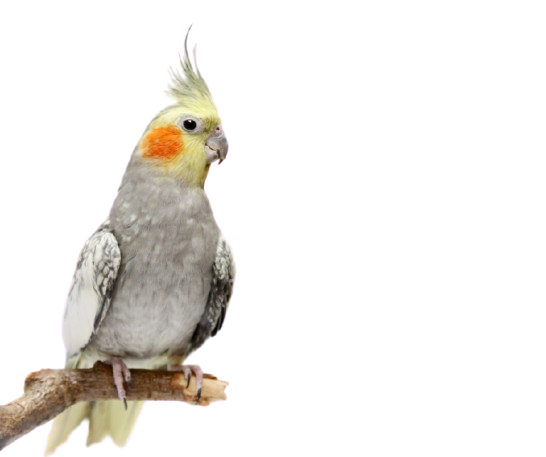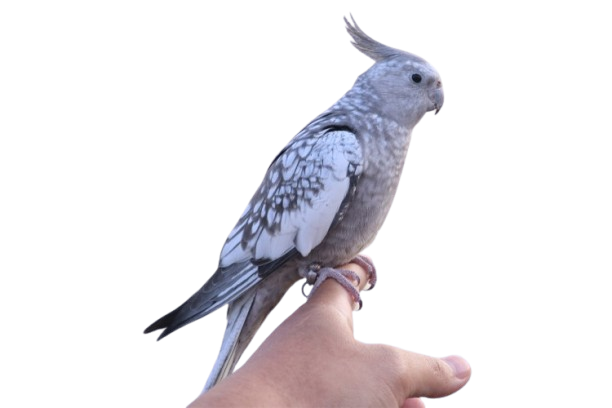
Can cockatiels live with other birds
Can cockatiels live with other birds? Yes, they can, but the answer is not as simple as putting two different birds in one cage and hoping they become friends. Cockatiels are usually gentle and social, yet every bird has its own personality. In my experience, the safest approach is to introduce slowly, provide plenty of space, and always have a separate cage available. That matters more than simply choosing a species that is considered “compatible.”
Can Cockatiels Live With Other Birds Safely?
When people ask me this, I usually make one distinction first: living in the same home is very different from living in the same cage.
A cockatiel can share a household with another species quite comfortably. They may hear one another, call back and forth, play outside their cages, and gradually become familiar. That does not necessarily mean they should sleep together or share one enclosure.
Cockatiels are generally mild compared with many parrots. A particularly dominant bird, however, can still cause problems. Sometimes the trouble is obvious, such as chasing or biting. Other times it is much quieter. One bird may repeatedly prevent another from approaching a food bowl or preferred perch.
I have always preferred giving each bird its own safe space first. If the relationship develops beautifully, that is a bonus rather than something I expect from day one.
Which Birds Can Live Around Cockatiels?
1. Another Cockatiel
If someone asks me what companion I would consider first, another cockatiel is usually the obvious answer. Similar body language, vocal habits, diet, and daily rhythm can make communication easier.
Even then, personality counts. Two cockatiels may become close companions, tolerate each other, or simply prefer having their own space. Birds are individuals.
2. Budgies
Budgies are frequently considered alongside cockatiels because both are popular Australian companion parrots and can have relatively compatible social behavior. However, their smaller size does not automatically make a shared cage safe.
Budgies can be energetic and persistent, while a cockatiel may be more relaxed. A lively budgie repeatedly bothering a quiet cockatiel can eventually create stress.
For that reason, I would begin with separate cages and supervised interaction rather than immediately housing them together.
3. Bourke’s Parakeets
Bourke’s parakeets are another bird sometimes considered for a mixed-bird household. Their generally calm nature can make them interesting companions for cockatiel owners.
The important word is “can.” A peaceful reputation does not guarantee compatibility between two particular birds. Give them room, observe their behavior, and let the birds tell you whether the arrangement is working.
4. Other Small, Gentle Birds
Some owners successfully keep cockatiels near other relatively peaceful species, particularly in spacious aviary-style environments. The larger the shared environment, the more opportunities birds have to move away from one another.
Still, I would not treat a long list of “compatible birds” as a guarantee. Species selection is only one part of the equation.
Birds I Would Be Careful About
I would be especially cautious with birds known for territorial or aggressive behavior. Lovebirds, for example, can be considerably more assertive than cockatiels, and a size difference does not tell the whole story.
Larger parrots can also pose an obvious physical risk. A bird with a much stronger beak can seriously injure a cockatiel during what might begin as a minor disagreement.
Finches and other tiny birds require caution too. Even when neither bird appears aggressive, the difference in body size can create accidental injuries.
So when considering whether cockatiels live with other birds, I would never make the decision based on species names alone. Temperament, size, cage design, age, hormones, and individual history all matter.
How to Introduce a Cockatiel to Another Bird
This is where many problems begin. The newcomer arrives, the owner opens the cage, and both birds are expected to become friends immediately.
I would not do it that way.
First, keep the new bird separate from established birds during quarantine. A new bird can appear perfectly healthy while carrying an illness, so a proper quarantine period and veterinary assessment are important before close contact.
After quarantine, place the cages in the same general area but not so close that the birds can grab each other through the bars. Let them see and hear one another.
Over time, watch their reactions. Curious calls, relaxed posture, eating normally, and calmly observing the other bird are encouraging. Repeated lunging, frantic movement, chasing, open-beak threats, or persistent avoidance are reasons to slow down.
When the birds eventually meet outside the cages, use a neutral area and supervise closely. Keep the first sessions short. There is no prize for rushing this process.

A Practical User Guide for a Multi-Bird Home
If you are planning to keep a cockatiel with other birds, I recommend thinking about the setup before buying the second bird.
Step 1: Prepare another cage.
Even if you hope the birds will eventually share space, each bird should have somewhere safe to retreat.
Step 2: Arrange quarantine.
Use a separate room when practical, maintain good hygiene, and arrange an avian veterinary examination.
Step 3: Introduce visually first.
Let the birds become familiar with each other’s sounds and movements before physical contact.
Step 4: Use neutral territory.
A shared cage can become territorial very quickly. Initial meetings are better away from a bird’s established sleeping and feeding area.
Step 5: Watch resources.
Food bowls, water, favorite perches, toys, and nesting areas can all become things birds defend.
Step 6: Pay attention to changes.
A relationship that looks peaceful for several weeks can change when hormones, breeding behavior, illness, or environmental stress enters the picture.
Step 7: Accept separate living arrangements.
Sometimes the best outcome is two birds enjoying each other’s company without sharing a cage. That is completely fine.
What I Recommend for Someone Buying a Companion Bird
If you are choosing a companion for an existing cockatiel, I would first consider your bird’s personality rather than simply searching for the cheapest or most attractive species.
A confident cockatiel may behave differently from a nervous one. A young bird may also interact differently as it matures. This is one reason I prefer honest observation over promises that two particular species will “always” get along.
At Buy Cocktiels, I believe buyers should understand this before bringing another bird home. A healthy introduction is more important than forcing companionship.
If your goal is simply to give your cockatiel more social stimulation, you may not even need another species. More supervised out-of-cage time, enrichment, training, foraging activities, and interaction with you can make a meaningful difference.
Conclusion
Can cockatiels live with other birds? They can, but successful mixed-bird homes depend on careful introductions, appropriate space, compatible personalities, and constant attention to safety. Another cockatiel is often the easiest companion to consider, while some other gentle species may work under the right conditions.
Personally, I would rather see two birds happily living in separate cages than two birds forced into one cage because they seemed friendly for a few days. Give them options, watch their behavior, and be willing to change the arrangement if one bird becomes stressed.
Frequently Asked Question
Can cockatiels live with budgies in the same cage?

Some cockatiels and budgies may become friendly, but I would not recommend assuming that friendship means they should immediately share a cage. Separate cages provide a safer option because each bird has its own food, water, sleeping area, and retreat. Supervised interaction can then be increased gradually if both birds remain relaxed and comfortable.