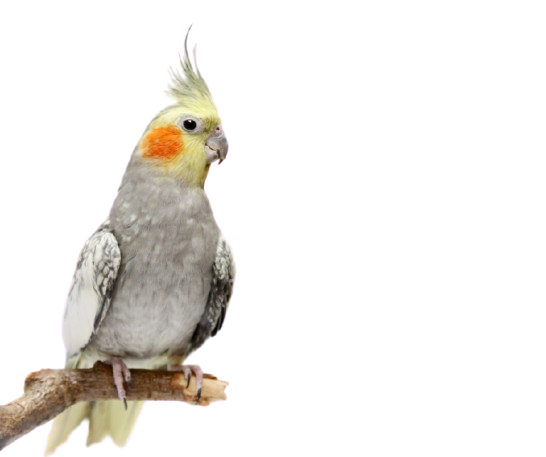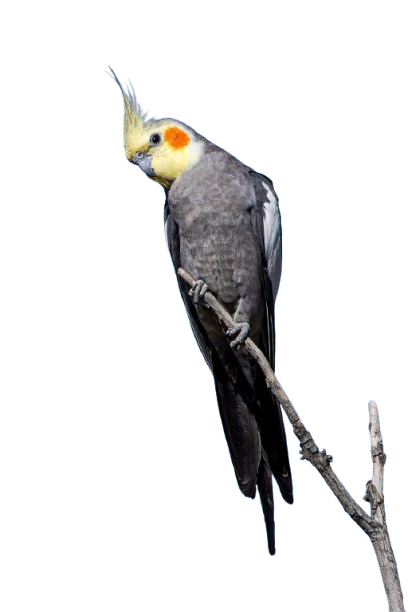
Do cockatiels bite
Do cockatiels bite? They can, but biting is not usually what I would consider a defining trait of a well-socialized cockatiel. Most cockatiels use their beaks for eating, climbing, exploring, preening, and communicating long before they use them aggressively. When a cockatiel does bite, there is usually a reason behind it—fear, overstimulation, territorial behavior, discomfort, hormones, or simply a warning that the bird wants you to stop. Learning to read those signals can make living with a cockatiel much easier.
Do Cockatiels Bite People?
Yes, cockatiels can bite people.
That simple answer sometimes surprises new owners because cockatiels are generally regarded as gentle companion parrots. But gentle does not mean incapable of using the beak.
A cockatiel’s beak is an important tool. It is used to crack food, manipulate objects, climb around the cage, groom feathers, and investigate unfamiliar things. Your fingers can become another object to investigate.
There is also a difference between beak exploration and an actual bite.
A young cockatiel may gently touch your finger with its beak while learning about you. It might grip your finger briefly when climbing. That is not necessarily aggression.
A hard bite, especially when accompanied by lunging, hissing, pinning eyes, or defensive posture, is different.
The first question I ask is not, “How do I stop my cockatiel from biting?” It is, “Why does this bird feel the need to bite?”
That change in thinking helps.
Why Do Cockatiels Bite?
There is rarely one universal reason.
Fear
Fear is one of the most common explanations, particularly with a cockatiel that has not been properly socialized or has recently moved into a new home.
Imagine being a small bird and having a large hand suddenly move toward you. If you do not understand what the hand intends to do, defending yourself may seem like the sensible option.
A frightened cockatiel may lean away, freeze, hiss, open its beak, or attempt to move away before biting.
When I see those signals, I would back off rather than insist on handling the bird.
Territorial Behavior
A cockatiel can become protective of its cage.
This does not necessarily mean the bird dislikes you. The cage is its sleeping area, feeding area, and familiar territory. Reaching directly inside can sometimes trigger a defensive response.
Try offering the bird an opportunity to leave the cage voluntarily instead of repeatedly putting your hand into its personal space.
Interestingly, some cockatiels that are defensive inside the cage can be perfectly pleasant once they are sitting on a neutral perch.
Hormonal Behavior
Hormonal changes can influence behavior.
During periods of increased hormonal activity, some cockatiels become more territorial, possessive, vocal, or defensive. A bird may suddenly become protective of a particular corner, toy, person, or dark hiding place.
I would remove nesting-like spaces and avoid encouraging behaviors that reinforce territorial attachment.
This is another reason not to assume that a bird’s personality will remain exactly the same throughout the year.
Can a Cockatiel Bite Because It Is Angry?
Sometimes, but “angry” is often too simple a description.
A cockatiel may bite because it is frightened, frustrated, overstimulated, protective of its space, or trying to communicate that it does not want to interact.
For example, imagine you are petting your cockatiel and it suddenly turns its head toward your finger.
That may be the warning.
If you continue touching it anyway, the next step may be a bite.
This is why I encourage owners to pay attention to the moments immediately before a bite. There is often a signal that was missed.
Once you recognize that signal, you can stop the interaction before the bird feels it has to escalate.
How Hard Do Cockatiels Bite?
Cockatiels can deliver a surprisingly uncomfortable bite, especially when they are frightened or determined.
They are still small parrots, so their bite is generally not comparable to that of a large macaw or cockatoo. Even so, a bite around the fingertip can hurt.
The important point is that you should not deliberately provoke a cockatiel to test how hard it bites.
If a bird is repeatedly biting hard enough to break skin, focus on identifying the trigger and consider consulting an avian veterinarian or qualified bird behavior professional.

How Can I Tell When a Cockatiel Is About to Bite?
This is one of the most useful things a new owner can learn.
Watch the bird’s body language.
Possible warning signs include:
- Moving away from your hand
- Flattening the body or changing posture
- Hissing
- Opening the beak defensively
- Lunging toward your hand
- Raising or holding the crest in a tense posture
- Becoming unusually still
- Attempting to escape
- Repeatedly turning away from interaction
Not every crest position means aggression. Cockatiels raise their crests for many reasons, including curiosity, excitement, alarm, and interest.
You need to look at the whole bird, not one feature.
With time, you will start recognizing your cockatiel’s individual signals. That is when handling becomes much easier.
Do Cockatiels Bite Their Owners for No Reason?
It can certainly feel that way.
You might be sitting quietly with your bird one minute, then suddenly find a beak on your finger.
But there is often something behind it.
Perhaps the bird was tired. Perhaps you touched an area it dislikes. Maybe it had become overstimulated. Perhaps it saw something outside the window and became frightened.
Sometimes the reason is so subtle that even an experienced owner may not immediately know.
Rather than assuming your cockatiel has suddenly become aggressive, look at what happened in the few seconds before the bite.
That little investigation can reveal a pattern.
How to Stop a Cockatiel From Biting
The goal should not simply be to punish the bite. You want to reduce the situations that produce it.
1. Stop Forcing Interaction
If your cockatiel does not want to step onto your hand, do not repeatedly chase it around the cage.
That can teach the bird that hands are something to fear.
Instead, use positive reinforcement. Reward calm behavior and voluntary interaction.
2. Learn Your Bird’s Warning Signals
If your cockatiel consistently warns you before biting, respect the warning.
This is important.
If the bird learns that subtle signals are ignored, it may eventually stop giving those signals and move directly to biting.
3. Keep Handling Sessions Short
Especially with a newly acquired bird, several brief interactions can work better than one long session.
End while things are still going well.
You want your cockatiel to remember the interaction as something pleasant rather than something it needed to escape.
4. Reward Good Behavior
When your cockatiel approaches your hand calmly, steps up voluntarily, or accepts gentle interaction without biting, reinforce that behavior with an appropriate reward.
The bird gradually learns which behaviors produce positive outcomes.
5. Avoid Punishment
Do not hit, shake, yell at, or deliberately frighten your cockatiel.
Apart from being inappropriate, punishment can make the bird associate your hands with danger. That can create more fear and potentially more biting.
What If a Cockatiel Suddenly Starts Biting?
A sudden personality change deserves attention.
If a previously friendly cockatiel suddenly becomes aggressive, refuses handling, bites when touched in a particular area, or shows other unusual behavior, consider whether pain or illness could be involved.
Birds can hide illness, so behavioral changes should not automatically be dismissed as “bad attitude.”
Other signs such as reduced appetite, weight loss, unusual droppings, lethargy, breathing difficulties, or changes in normal activity make veterinary evaluation especially important.
If you notice a sudden unexplained change, I would contact an avian veterinarian rather than trying to solve the problem entirely through training.
Do Young Cockatiels Bite More?
Young cockatiels can certainly use their beaks frequently.
A youngster is learning about its environment. Fingers, toys, perches, food, clothing—almost everything can become something worth investigating.
Young birds also need to learn appropriate interaction.
This does not mean every young cockatiel is a biter. Temperament, socialization, handling history, environment, and individual personality all influence behavior.
If you are choosing a young cockatiel, ask the breeder about how the bird has been handled and socialized.
At Buy Cocktiels, I believe prospective owners should understand that bringing home a young bird is not the same as purchasing a finished companion. You still have a relationship to build.
A Practical Guide to Preventing Cockatiel Bites
If I were helping a first-time cockatiel owner, I would suggest this approach:
- Give the bird time to settle after coming home.
- Avoid grabbing the bird unless there is an immediate safety reason.
- Offer treats from your hand to build positive associations.
- Teach step-up gradually rather than forcing the behavior.
- Observe body language before touching the bird.
- Respect warning signals such as moving away or defensive postures.
- Keep sessions brief when the bird is still learning.
- Provide toys and enrichment so the bird has appropriate outlets for chewing and exploration.
- Avoid dark nesting spaces that may encourage territorial or hormonal behavior.
- Reward calm behavior consistently.
- Do not punish biting with physical or frightening responses.
- Investigate sudden behavior changes rather than assuming the bird has simply become aggressive.
It sounds straightforward, and mostly it is. The difficult part is consistency.
Choosing a Cockatiel With a Good Temperament
If you are planning to buy a cockatiel, temperament should be part of the conversation.
Color mutation alone does not tell you whether a bird will be friendly, confident, shy, curious, or defensive.
Ask about the bird’s handling history. Watch how it responds to people. Observe whether it appears comfortable in its surroundings.
A bird does not need to climb immediately onto a stranger’s hand to prove that it has a good temperament. Some birds simply need time.
I prefer seeing a cockatiel that is curious and gradually becoming comfortable over one that is being forced to interact for the sake of appearing tame.
That distinction matters.
Conclusion
Do cockatiels bite? Yes, but biting does not automatically mean you have an aggressive or unfriendly bird. In many cases, the bite is a response to fear, territorial behavior, overstimulation, hormonal changes, discomfort, or a warning that was overlooked.
The most effective approach is to understand the reason behind the behavior. Give your cockatiel time, respect its body language, reward calm interaction, and avoid punishment. If a normally gentle bird suddenly starts biting, especially alongside other changes, consider speaking with an avian veterinarian.
A cockatiel that trusts you will not necessarily stop using its beak altogether—it is still a parrot, after all. But with patience and good handling, biting can often become far less frequent.
Frequently Asked Question
Do cockatiels bite when they are scared?

Yes. A frightened cockatiel may bite because it feels threatened and wants the perceived danger to move away. Before biting, it may try to retreat, hiss, open its beak, or display other defensive body language. Giving the bird space and avoiding forced handling can help build confidence and reduce fear-related biting.