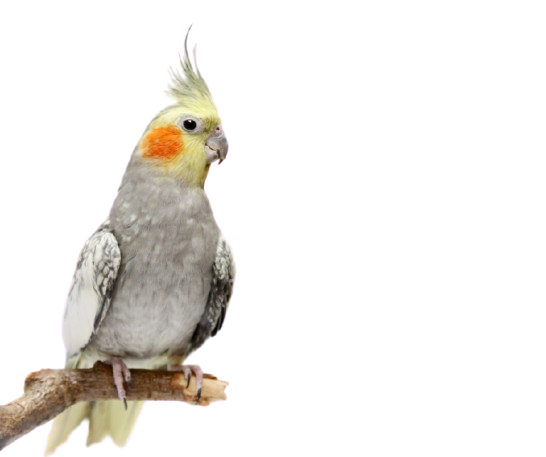
Do cockatiels need a companion or can they live alone
Do cockatiels need a companion or can they live alone? They can live alone, but a single cockatiel needs regular social interaction, attention, enrichment, exercise, and time outside its cage. A second cockatiel can provide valuable companionship, yet it is not automatically necessary for every bird. From my experience with these social little parrots, the better choice depends on the bird’s personality, your daily schedule, and how much time you can genuinely give it. A well-cared-for single cockatiel can be very happy with a closely involved owner.
Do Cockatiels Need a Companion?
Cockatiels are naturally social birds. In their natural environment, they spend considerable time around other birds, communicate through calls, forage together, and respond to what is happening around them.
That does not mean every pet cockatiel must have another cockatiel in its cage.
This is something I think new owners sometimes misunderstand. A single cockatiel can form a strong relationship with its human family. In fact, some birds become extremely attached to the people around them because those people provide much of their daily social interaction.
The important part is that “alone” should not mean “isolated.”
If your cockatiel spends most of the day in a quiet room with little interaction, very little enrichment, and almost no opportunity to exercise, that is a different situation from a bird that lives alone but regularly talks with its owner, receives training, plays outside the cage, and has interesting activities available.
Can a Single Cockatiel Be Happy?
Yes, a single cockatiel can be happy.
I have always liked explaining it this way: you do not necessarily need two birds, but you do need to provide enough companionship and stimulation for the bird you have.
A single cockatiel may enjoy sitting near you while you work, listening to household sounds, learning whistles, playing with toys, or climbing around a safe play area. Some birds want constant involvement; others are perfectly content to entertain themselves for stretches of time and then come looking for attention.
That personality difference matters.
A naturally independent cockatiel and a very people-oriented cockatiel may have quite different daily needs, even though they are the same species.
Do Cockatiels Get Lonely Without Another Bird?
They can experience social frustration or boredom when their social and enrichment needs are consistently neglected.
You may notice increased calling when you leave the room, changes in activity, withdrawal, destructive behavior, or excessive attention-seeking. But these signs are not proof of loneliness by themselves. Illness, fear, hormonal behavior, environmental changes, and other factors can produce similar changes.
That is why I would never diagnose a behavioral problem simply by saying, “The bird needs a friend.”
First look at the basics. Is the bird eating normally? Sleeping properly? Exercising? Playing? Interacting? Has anything changed in its environment?
If there is a sudden or concerning behavioral change, an avian veterinarian is the right person to involve.
When Keeping One Cockatiel Makes Sense
A single cockatiel may be a good choice for an owner who genuinely enjoys spending time with the bird.
For example, you may work from home or have a household where someone is regularly present. Perhaps the cockatiel spends supervised time outside the cage every day and interacts with you during normal activities.
That can work very well.
In fact, a single bird may become especially responsive to human interaction. It may learn your routines, recognize your voice, whistle when you enter the room, and develop its own little ways of asking for attention.
Of course, there is a trade-off. A single cockatiel may rely on you more heavily for social contact.
That is not necessarily bad. You simply need to be prepared for the responsibility.
When a Second Cockatiel May Be Helpful
If you are regularly away from home for long periods, another compatible cockatiel may provide social stimulation that a solitary bird cannot receive from an empty room.
Two cockatiels can vocalize to each other, sit near one another, explore together, and share some forms of natural social behavior.
But please do not rush this decision.
Bringing home another cockatiel does not guarantee friendship. Birds have personalities, and sometimes they simply do not like each other very much. Even birds that eventually become companions need time to adjust.
A new bird should be quarantined and introduced carefully rather than immediately placed into the resident bird’s cage. Veterinary guidance is especially useful when adding another bird to a household.
One Cockatiel vs Two: Which Is Better?
There is no universal winner.
One cockatiel may suit you if:
- You can provide daily companionship.
- You enjoy interacting with your bird.
- You have time for supervised exercise and play.
- You are comfortable providing enrichment.
- You want a close human-bird relationship.
- Your household is reasonably predictable.
- You are prepared to notice and respond to changes in behavior.
Two cockatiels may suit you if:
- You are frequently away from home.
- You have adequate space for appropriate housing.
- You can afford care for two birds.
- You are prepared for gradual introductions.
- You understand that the birds may not immediately bond.
- You can still give both birds individual attention.
- You have access to appropriate avian veterinary care.
The last point is important. Two birds are not “less work” in every respect. You now have two sets of dietary, health, housing, and veterinary needs.
Do Two Cockatiels Still Need Human Attention?
Absolutely.
This is one of the biggest misconceptions I hear.
People sometimes think that once they purchase a second cockatiel, they can stop interacting with the birds. I would not recommend that approach.
A pair can keep each other company, but they still benefit from interaction with their owner. Gentle handling, training, talking, supervised exercise, enrichment and health observation remain part of responsible care.
And there is another benefit to maintaining that relationship: if your cockatiel becomes accustomed to calm human interaction, routine handling and basic training can make everyday care much easier.

How to Keep a Single Cockatiel Entertained
If you decide to keep one cockatiel, enrichment becomes especially important.
Offer several safe activities rather than relying on one toy. Rotate appropriate toys periodically so the cage does not become visually and mentally stale. Food-based foraging can also encourage natural problem-solving behavior.
Short training sessions can be surprisingly effective.
Teach your cockatiel to step onto your hand, move between perches, follow a target, or respond to a familiar cue. Keep sessions positive and reasonably short. If the bird loses interest, stop. There is no prize for forcing a training session to continue.
Supervised out-of-cage exercise is another important part of the day. A safe room with hazards removed gives the bird opportunities to fly, climb, explore and interact with you.
How to Choose a Companion for Your Cockatiel
If you decide that your cockatiel would benefit from another bird, do not choose purely based on appearance.
Consider age, temperament, health, previous socialization, and sex. If breeding is not your intention, think carefully about whether introducing a male and female could create reproductive issues.
The new bird should also receive an appropriate health assessment and quarantine period before close contact with your existing cockatiel.
Introductions should be gradual. Start with separate cages positioned safely apart, allowing the birds to see and hear each other without forcing direct contact.
Some birds become interested immediately. Others need considerably more time.
That is perfectly fine.
What I Tell New Owners at Buy Cocktiels
When people ask me about choosing a cockatiel through Buy Cocktiels, I encourage them to think about their lifestyle before deciding whether one or two birds is appropriate.
Ask yourself how much time you spend at home. Think about your working hours. Consider whether you enjoy training and handling a bird or whether you are expecting the cockatiel simply to entertain itself.
There is nothing wrong with choosing one bird. There is also nothing wrong with eventually adding another if your circumstances change.
What matters most is making the decision around the bird’s welfare rather than convenience alone.
Signs Your Single Cockatiel May Need More Stimulation
A bored cockatiel may become noticeably different from its normal self.
Watch for:
- Persistent attention-seeking calls.
- Reduced interest in toys.
- Increased destructive behavior.
- Repetitive behaviors.
- Unusual withdrawal.
- Less interest in normal activities.
- Changes in appetite or general behavior.
Again, these signs have many possible explanations. Do not assume loneliness is the cause without considering health and environmental factors.
A healthy bird should be observed regularly because subtle changes can sometimes be the first indication that something is wrong.
Conclusion
So, do cockatiels need a companion or can they live alone? A cockatiel can live alone and thrive when its owner provides consistent companionship, enrichment, exercise, training, and attentive daily care. A second cockatiel can offer valuable social interaction, especially when the owner is away frequently, but another bird is not a substitute for responsible ownership.
If you are deciding what is right for your household, look beyond the simple question of one bird versus two. Think about time, temperament, housing, finances, veterinary care, and the relationship you want to build.
Sometimes one well-loved cockatiel is exactly right. Sometimes two compatible birds make more sense. There is no need to force the answer.
Frequently Asked Question
Can a cockatiel live alone without becoming lonely?

Yes. A single cockatiel can live happily when it receives regular human interaction, safe exercise, mental stimulation, enrichment, and appropriate daily care. Another cockatiel can provide additional companionship, but it is not automatically necessary. The individual bird and the amount of attention available in its household are important factors.