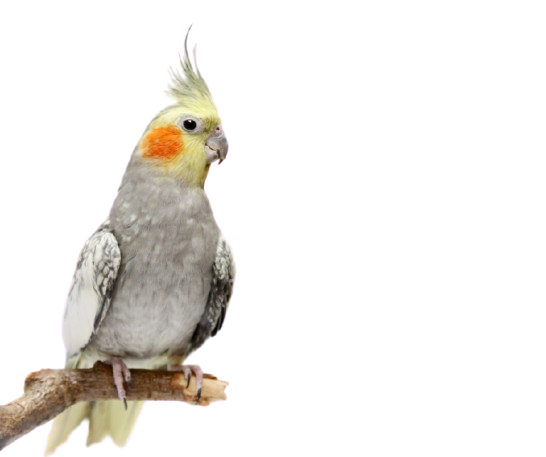
Do cockatiels need toys and other forms of enrichment
Do cockatiels need toys and other forms of enrichment? Absolutely. A cockatiel may have food, water, a comfortable cage, and still become bored if every day looks exactly the same. Toys, safe chewing materials, foraging activities, training, exercise, and time with people give these intelligent little parrots something meaningful to do. From my experience with cockatiels, the happiest birds are rarely the ones with the most expensive cage setup; they are the ones whose owners regularly give them opportunities to explore, play, work for food, and interact.
Do Cockatiels Need Toys Every Day?
Yes, although “toys” does not mean your cockatiel needs a cage overflowing with colorful objects.
Cockatiels naturally spend time moving around, exploring, searching for food, chewing, and interacting with their surroundings. In a home environment, much of that work disappears because meals are conveniently placed in a bowl. Without other activities, a bird can have surprisingly little to occupy its attention.
That is where enrichment becomes important.
A few well-chosen toys can encourage natural behaviors such as chewing and manipulation while also giving your cockatiel something interesting to investigate. Veterinary guidance for companion birds also emphasizes mental stimulation, exercise, and varied toys as important parts of captive bird care.
What Kind of Enrichment Do Cockatiels Enjoy?
This is where owners sometimes make things harder than necessary. You do not need to purchase every bird toy you see.
Start by watching what your cockatiel already enjoys.
Does your bird shred paper? Offer appropriate paper-based activities. Does it love chewing wood? Provide bird-safe untreated wood. Does it spend time climbing around the cage? A ladder, climbing structure, or suitable rope activity may be interesting.
Some cockatiels love bells. Others completely ignore them. One bird may spend twenty minutes pulling apart a simple cardboard item while another looks at it as if you have placed a strange object from another planet in its cage.
That difference is normal.
The best enrichment is usually the enrichment your individual cockatiel actually uses.
Cockatiel Toys for Chewing
Chewing is a useful activity for parrots, and cockatiels are no exception. Appropriate untreated wood, paper, cardboard, and other bird-safe materials can give a cockatiel an acceptable outlet for this behavior.
I particularly like destructible toys because the bird has a reason to interact with them. A toy that slowly changes as the cockatiel chews and investigates it can remain interesting longer than an object that simply hangs in the same position.
Of course, inspect toys regularly. Once something becomes damaged, loose, frayed, or capable of producing pieces your bird could swallow, remove it.
Do Cockatiels Need Foraging Activities?
They can benefit greatly from them.
Foraging means encouraging your cockatiel to search, manipulate, or work in some way to obtain food. It does not have to begin with an expensive puzzle toy. You can start very simply.
For example, you might hide a small portion of an appropriate food item in a safe, easy-to-investigate material and allow the bird to discover it. As your cockatiel understands the activity, you can gradually make the task more interesting.
Avian behavior resources describe foraging as a useful enrichment strategy for parrots and recommend beginning with simple challenges before gradually increasing difficulty.
The important word is gradually. If the puzzle is too difficult, your cockatiel may simply give up.

How Should I Rotate Cockatiel Toys?
You do not need to replace every toy every week.
Instead, keep several appropriate options available and rotate some of them periodically. A toy that has been ignored for weeks may suddenly become interesting when it returns after being absent for a while.
Veterinary guidance recommends providing variety and rotating toys to reduce boredom, while also avoiding overcrowding the cage.
I would rather see a cockatiel with a few useful toys, adequate space to move, and regular interaction than a cage packed so tightly with toys that the bird can barely fly or climb.
Other Forms of Cockatiel Enrichment
This is important because enrichment is much bigger than toys.
Daily supervised time outside the cage can provide exercise and exploration. Simple training sessions can also challenge your bird mentally. Teaching a cockatiel to step onto your hand, follow a target, return to a perch, or respond to a familiar cue gives it something to think about.
Social interaction matters too. Cockatiels are naturally social animals, and appropriate attention from their human family can be valuable enrichment. A bird does not necessarily need another bird simply because it spends time alone; individual circumstances and socialization matter.
Even changing the arrangement of safe activities occasionally can encourage curiosity.
Perhaps the simplest enrichment is sometimes the best: let your cockatiel investigate something new while you supervise.
Safe Cockatiel Toys: What Should Owners Avoid?
Safety comes before entertainment.
Inspect every toy before putting it inside the cage. Look for loose threads, small detachable parts, sharp edges, broken pieces, unsafe metals, or anything that could wrap around a foot or be swallowed.
Be particularly careful with ropes and other fibrous materials. If your cockatiel starts pulling fibers apart and attempting to swallow them, remove the item rather than hoping the behavior will stop.
Commercially manufactured bird toys are not automatically safe simply because they are sold for birds. Owners still need to inspect them and replace damaged items.
When introducing a new toy, remember that some cockatiels are suspicious of anything unfamiliar. A bird that runs away from a new toy is not necessarily telling you it dislikes toys. It may simply need time.
Put the new object near the cage first if necessary, then gradually introduce it.
A Simple Enrichment Guide for New Cockatiel Owners
If you are preparing a home for a cockatiel, I would start with a mixture rather than buying ten nearly identical toys.
1. Provide a chewing activity
Choose an appropriate bird-safe material that your cockatiel can investigate and destroy.
2. Add a climbing or movement option
A suitable ladder, perch arrangement, or climbing toy can encourage movement.
3. Introduce simple foraging
Begin with an easy food-searching activity. Let your bird understand the idea before making it harder.
4. Include something to manipulate
Cockatiels often enjoy objects they can pull, move, shred, or investigate.
5. Give supervised out-of-cage time
A safe room and appropriate supervision can provide enrichment that no cage toy can completely replace.
6. Rotate activities
You do not need to spend money constantly. Move suitable toys around or temporarily remove some and bring them back later.
7. Watch your bird
This is the part I consider most important. Your cockatiel will tell you what it enjoys through its behavior.
Choosing a Cockatiel From a Reputable Breeder
If you are considering getting a cockatiel, ask the breeder how the young birds are socialized and what types of enrichment they have experienced.
A responsible breeder should be willing to discuss the bird’s routine, diet, handling, development, and general care rather than focusing only on color or appearance.
Whether you eventually choose a cockatiel from Buy Cocktiels or another responsible source, prepare the enrichment setup before bringing the bird home. Having appropriate toys, safe perches, food, water, and a suitable environment ready makes the transition much easier.
Conclusion
Do cockatiels need toys and other forms of enrichment? Yes, and I would consider enrichment a normal part of responsible cockatiel care rather than an optional extra. Toys can encourage chewing, climbing, exploration, and problem-solving, while foraging, training, exercise, and human interaction add completely different experiences.
You do not need the biggest toy collection. You need the right combination of safe activities and enough variety to keep your particular cockatiel interested.
Pay attention to what your bird enjoys, remove anything unsafe, introduce unfamiliar objects patiently, and keep changing the daily routine in small ways. A cockatiel that has opportunities to explore and participate in its environment is generally much easier to keep engaged than one whose entire day consists of sitting beside a food bowl.
Frequently Asked Question
Do cockatiels need toys and other forms of enrichment if they get lots of attention from their owner?

Yes. Human attention is valuable, but it does not replace opportunities for independent play, chewing, exploration, exercise, and foraging. A balanced routine combines social interaction with safe activities that allow your cockatiel to occupy itself.