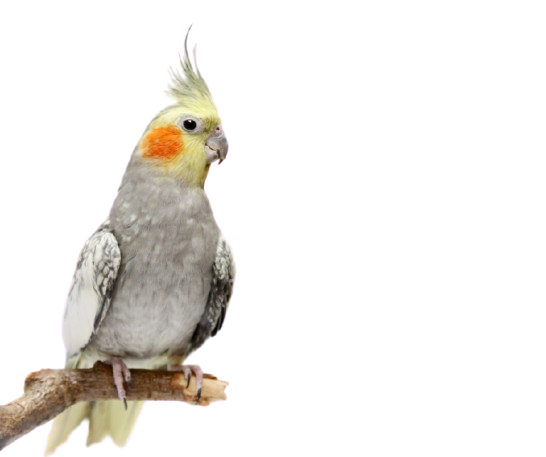
Should I get a male or female cockatiel
Choosing between a male and female cockatiel can seem like a small decision, but it may affect what you experience at home. Males are often more inclined to whistle, sing and mimic sounds, while females can be somewhat quieter. Still, I would not choose a bird based on sex alone. Personality, early socialization, age and the individual bird often matter just as much. Both can become wonderful companions when properly cared for.
Should I Get a Male or Female Cockatiel for a Pet?
If someone asks me, “Should I get a male or female cockatiel?”, I usually ask what they actually want from their companion bird.
Do you enjoy whistling? Do you want a bird that may learn sounds and actively call for your attention? Or would you rather have a companion that tends to be less vocal?
These questions are more useful than simply deciding that one sex is “better.”
Male cockatiels are commonly more vocal, particularly when they mature. They may whistle, sing, imitate household sounds and perform courtship displays. Females can certainly vocalize too, though they are often described as less inclined toward elaborate singing. These are tendencies, not guarantees.
I have seen plenty of birds that do not behave exactly as people expect. That is one reason I encourage new owners to meet the individual bird whenever possible.
Male Cockatiels: What Should You Expect?
A male may be a particularly good choice if you enjoy an interactive and expressive bird.
As he grows older, you may notice more whistling, singing, head-bobbing and other displays. Some males become surprisingly creative with sounds. One will learn a whistle from the household, another may imitate a phone notification, and another seems perfectly satisfied making up his own little songs.
That personality can be entertaining, but it also means a male cockatiel may be more noticeable in the home.
Male cockatiels are also commonly associated with courtship behavior such as singing, strutting and wing displays.
If your main reason for getting a cockatiel is companionship and you enjoy plenty of vocal interaction, I would certainly consider a male.
Female Cockatiels: Are They Better for Quiet Homes?
A female cockatiel can be an excellent choice if you prefer a somewhat quieter companion.
That does not mean she will be silent. She may still chirp, contact-call, whistle occasionally and make plenty of noise when something interests her. Individual personality makes a big difference.
There is another important consideration, though: females can lay eggs without having a male companion. Repeated egg laying can place considerable demands on a female’s body, including depletion of calcium and other nutrients, and egg-binding can become a serious veterinary emergency.
For that reason, prospective owners should understand female-specific reproductive concerns before choosing a female cockatiel.
It is not a reason to avoid females. It is simply something responsible owners should be prepared to manage.
Male vs Female Cockatiel: Which Is More Affectionate?
This is where I would be careful with generalizations.
You will often hear that males are friendlier or that females are more affectionate. There is some truth behind the behavioral tendencies people describe, but there is no reliable rule saying that every male will be cuddly or every female will be reserved.
A cockatiel’s early experiences can have a major influence on how comfortable it becomes around people. A gently handled, well-socialized female can be extremely affectionate. Likewise, a male may be playful and outgoing but prefer sitting beside you rather than being touched constantly.
When selecting a bird, watch its actual behavior.
Does it approach calmly? Does it show curiosity? Does it recover quickly from unfamiliar surroundings? Does it willingly interact with people?
Those observations tell you something useful that a simple “male” or “female” label cannot.
Should I Get a Male or Female Cockatiel for Talking and Whistling?
If talking and whistling are high on your wish list, I would lean toward a male.
Male cockatiels are generally more likely to develop elaborate vocalizations, songs and mimicry. Females can learn sounds too, but males tend to have the stronger reputation for singing and whistling for a reason.
Still, do not buy a male expecting a guaranteed talking bird.
Some males are wonderful singers. Others barely perform beyond their normal calls. Genetics, social interaction, environment and the individual bird all play a role.
If you want a companion first and a performer second, I would keep your expectations flexible.
Choosing a Cockatiel for a Family Home
For a family, I would focus on temperament before sex.
A calm, properly socialized cockatiel can fit beautifully into a household, while a nervous bird may need considerably more patience regardless of whether it is male or female.
Children should also learn how to interact appropriately with birds. Cockatiels are delicate animals, and grabbing, chasing or sudden movements can frighten them.
Give the bird a quiet place to retreat, allow it to approach people at its own pace, and supervise interactions with younger children.
This is one area where rushing rarely helps. A bird that learns people are predictable and gentle has a much better foundation for becoming a confident companion.

Does Cockatiel Color Affect Whether It Is Male or Female?
Sometimes, but you should not assume that appearance always gives you a definite answer.
In some cockatiel varieties, adult males and females develop visible differences after maturity. In other color mutations, visual sexing can be much more difficult. Young cockatiels are particularly tricky because their juvenile plumage can resemble the adult female pattern.
If knowing the sex is important, especially when planning a breeding pair, DNA testing is the safer approach.
This is something I would rather explain honestly than make a confident guess from a photograph.
A Simple Guide: Which Cockatiel Fits Your Lifestyle?
Choose a male if you:
- Enjoy whistling and singing.
- Want a bird that may become highly vocal.
- Like an expressive and sometimes attention-seeking personality.
- Enjoy teaching sounds and simple behaviors.
- Do not mind a more active vocal presence around the home.
Consider a female if you:
- Prefer a potentially quieter companion.
- Are comfortable learning about female reproductive care.
- Like a bird whose personality may be calmer or more reserved.
- Are prepared for the possibility of egg laying.
- Care more about companionship than talking ability.
Choose based on the individual bird if you:
- Already have a particular cockatiel in mind.
- Can meet the bird before purchasing.
- Want to prioritize temperament.
- Are looking for a hand-socialized companion.
- Care more about the bird’s personality than its sex.
That last group is bigger than many people realize.
What I Look For When Helping Someone Choose
When helping a prospective owner through Buy Cocktiels, I would rather talk about the bird’s behavior than simply say, “Get a male.”
Look at how the cockatiel responds to people. A curious bird that watches you closely, steps toward a familiar hand and settles comfortably around normal household activity can be a promising companion.
Age matters too. A young bird may still be developing its adult appearance and behavior, so do not expect its personality to remain exactly the same forever.
And please ask about the bird’s history. How was it raised? Was it handled regularly? What diet is it currently eating? Has it been around other birds and people?
Those questions can be far more valuable than choosing a sex from a simple checklist.
My Practical Recommendation
If you want a cockatiel primarily because you love birds and want a companion, either sex can be the right choice.
If your priority is singing, whistling and sound imitation, a male may give you better odds.
If you prefer a potentially quieter bird, a female may appeal to you, provided you understand the possibility of egg laying and the related care considerations.
But if I had two healthy, well-socialized cockatiels in front of me and one was male while the other was female, I would pay close attention to their individual personalities before making the final decision.
That is often where the real answer is.
Conclusion
So, should I get a male or female cockatiel? There is no universal winner. Male cockatiels tend to be more vocal and are often excellent whistlers, while females can be quieter and have their own charming personalities. Both sexes can form strong relationships with people.
For a first-time owner, I would prioritize a healthy, well-socialized bird with a temperament that suits your household. Sex matters, especially when breeding or considering female reproductive health, but it should not overshadow the individual bird sitting in front of you.
If you are choosing a companion from Buy Cocktiels, take your time. Watch the bird. Ask questions. Sometimes the cockatiel you did not originally expect to choose turns out to be the one that fits you best.
Frequently Asked Question
Should I get a male or female cockatiel if I want a friendly pet?

Either can become a friendly and affectionate companion. Males are generally more inclined toward singing and whistling, while females may be somewhat quieter, but individual temperament and early socialization can be more important than sex. If possible, choose based on the behavior and history of the individual bird rather than relying only on whether it is male or female.