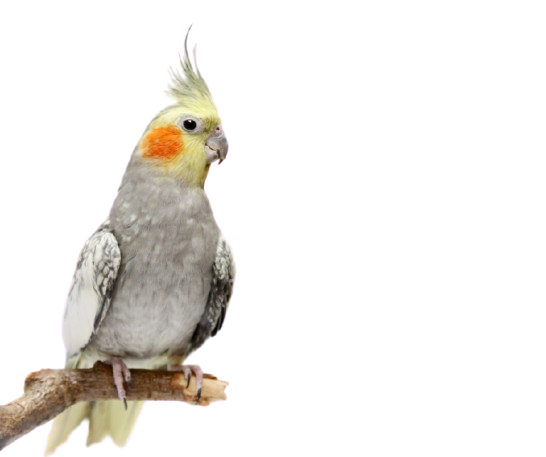
What foods are toxic or unsafe for cockatiels
What foods are toxic or unsafe for cockatiels? The most important ones to keep completely away from your bird include avocado, chocolate, alcohol, caffeinated drinks, onions, garlic, and certain fruit seeds or pits. But food safety is not only about a short “do not feed” list. Cockatiels also need a balanced everyday diet, because too many seeds, salty snacks, sugary foods, or fatty treats can gradually cause nutritional problems. I have seen how quickly a curious cockatiel will investigate a human meal, so knowing what belongs in the food bowl—and what absolutely does not—can prevent a frightening mistake.
What foods are toxic or unsafe for cockatiels?
The easiest way to remember the most serious food hazards is to divide them into two groups: foods that should never be deliberately offered and foods that are not necessarily poisonous but are poor choices.
Veterinary guidance identifies avocado and onion as potentially toxic to birds and specifically advises against chocolate, alcohol, and caffeine-containing products for cockatiels.
That gives us a useful starting point.
But I want to make one thing clear: “unsafe” does not always mean “immediately poisonous.”
A salty potato chip and a piece of avocado are not the same type of risk. One is an inappropriate food that can contribute to poor nutrition; the other can contain compounds associated with serious toxicity in birds.
Knowing that difference helps you make better decisions.
Foods toxic to cockatiels that should never be offered
1. Avocado
Avocado is at the top of my list.
Do not give your cockatiel avocado flesh, skin, pit, or other avocado plant material. Veterinary sources identify avocado as potentially toxic to birds, and Lafeber’s avian guidance explains that avocado contains persin, a compound associated with cardiac toxicity in birds.
You may hear someone say, “My bird ate a little avocado and nothing happened.”
That does not make it safe.
Birds can respond differently, and the sensible approach is prevention. Keep avocado away from the cage and be especially careful when preparing guacamole or meals containing avocado.
A curious cockatiel does not understand that the food on your plate is dangerous.
It simply sees something you are eating.
2. Chocolate
Chocolate is another definite no.
That includes dark chocolate, milk chocolate, baking chocolate, chocolate desserts, cocoa-containing foods, and drinks containing chocolate.
Lafeber’s avian veterinary guidance identifies the methylxanthines theobromine and caffeine in chocolate as toxic compounds that can cause serious effects in birds, including abnormal heart activity, tremors, seizures, and potentially death at toxic doses.
The darker and more concentrated the chocolate, the greater the concern.
Do not offer your cockatiel a tiny piece as a “special treat.” There are plenty of safer treats available.
I know it can be tempting when a bird watches you eating.
Still, this is one time when saying no is the right answer.
3. Alcohol
Alcohol should never be given to a cockatiel.
That includes beer, wine, spirits, cocktails, and foods or drinks deliberately containing alcohol.
VCA specifically advises that alcoholic beverages should never be offered to cockatiels.
There is really no benefit to experimenting here.
Keep alcoholic drinks away from areas where your bird is allowed to roam, too. A bird flying onto a table can investigate a glass surprisingly quickly.
4. Coffee, tea, and caffeinated drinks
Caffeine is another food-related hazard that people sometimes overlook.
Never intentionally give your cockatiel coffee, caffeinated tea, cola, energy drinks, or other caffeinated beverages. VCA lists coffee, tea, and soda among products containing caffeine that should not be offered to cockatiels.
A bird does not need a morning cup of coffee, no matter how interested it appears when you are drinking yours.
The same rule applies to energy drinks.
Keep the cup away.
5. Onions
Onions should not be part of a cockatiel’s diet.
That includes raw onion as well as cooked onion and foods heavily seasoned with onion.
VCA identifies onion as potentially toxic to birds, while its avian plant guidance notes that onions and garlic can damage red blood cells and the kidneys.
This is why sharing human leftovers can become risky.
A piece of plain cooked vegetable may be appropriate in some circumstances, but a piece of your seasoned dinner may contain onion powder, garlic, excessive salt, butter, sauces, or other ingredients you did not intend to feed your bird.
6. Garlic
Garlic belongs on the same avoid list.
Do not deliberately feed fresh garlic, garlic powder, garlic seasoning, garlic bread, or heavily seasoned foods containing garlic.
Concentrated garlic products deserve particular caution because seasoning powders can contain much more concentrated ingredients than the small amount you might imagine from looking at the finished meal. Lafeber’s veterinary guidance specifically discusses onion and garlic as foods to avoid.
If you are preparing food for your cockatiel, plain is usually better.
What foods are unsafe for cockatiels even if they are not strictly toxic?
This is where many new owners become confused.
A food does not have to be poisonous to be a poor choice.
Cockatiels are small birds. A quantity that looks tiny to us can represent a surprisingly large portion of a cockatiel’s daily intake.
VCA points out that birds need a balanced intake of carbohydrates, protein, fats, vitamins, minerals, and water, and that seed-only diets can become nutritionally imbalanced.
So let’s look beyond outright toxins.
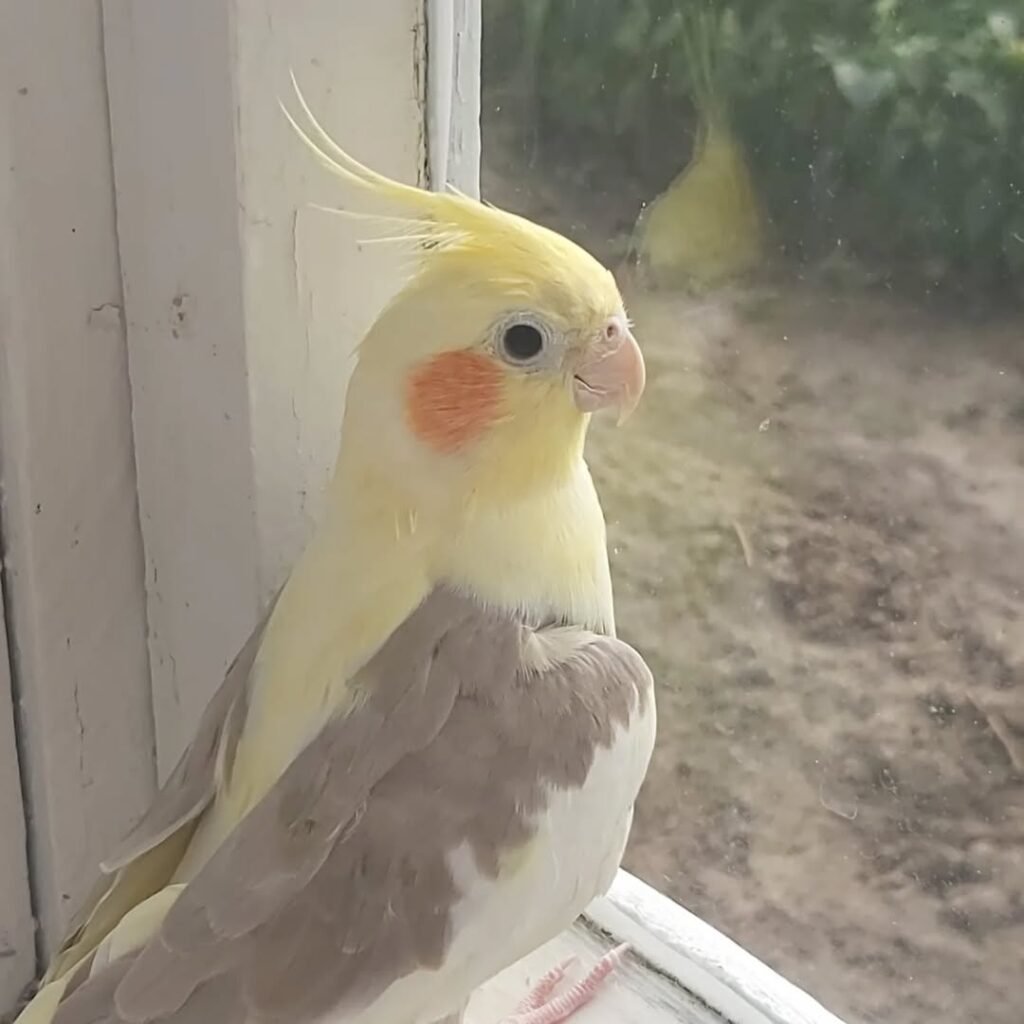
Salty foods
Avoid giving your cockatiel salty snacks such as chips, heavily salted crackers, processed meats, salty fried foods, and similar human snacks.
These foods are designed for people, not parrots.
Even when the ingredients are not technically poisonous, they are usually far too processed and salty to become regular bird food.
The same principle applies to heavily seasoned leftovers.
If you want to offer a little of your meal, think about the ingredients before handing over the bite.
Sugary foods
Cake, candy, sweet biscuits, frosting, sweetened cereals, and similar foods should not become cockatiel treats.
A bird may love them.
That is not a recommendation.
Cockatiels can become very selective when they discover that begging earns them something sweet. Before long, the bird may ignore healthier foods because it has learned that the human plate contains more exciting options.
VCA recommends avoiding processed foods such as cookies, crackers, and chips because they are not appropriate nutritional treats for cockatiels.
A tiny accidental crumb is different from regularly feeding sweets.
Still, I prefer prevention.
Fatty and fried foods
Fried chicken, French fries, buttery foods, greasy leftovers, and heavily oily snacks are poor choices for a cockatiel.
The problem is not simply one ingredient.
It is the overall nutritional profile.
Cockatiels need a balanced diet, not a miniature version of a human fast-food menu.
If you want to share something, choose an appropriate plain food instead.
Processed human snacks
Cookies.
Crackers.
Potato chips.
Candy.
Highly seasoned snacks.
These foods may be common in the kitchen, but that does not make them appropriate for your cockatiel.
Lafeber’s avian nutrition guidance places high-fat, high-sodium, and high-sugar foods among foods that should not be part of a bird’s diet.
I think this is one of the simplest rules for new owners:
If it is heavily processed and you would normally describe it as junk food, do not make it a cockatiel treat.
Fruit seeds and pits
Fruit itself is not automatically dangerous.
The seeds and pits are where you need to pay attention.
VCA advises removing apple seeds before giving apples to cockatiels because the seeds may be toxic to birds.
Lafeber also advises against fruit pits and apple seeds for pet birds.
So if you offer apple, prepare it first.
Do not simply cut an apple in half and place it in the cage with the seeds intact.
The same cautious approach applies to fruits with large pits. Remove the pit rather than allowing the cockatiel to chew around it.
Rhubarb leaves
Rhubarb deserves special attention because many people know it as a food plant without realizing that the leaves are different.
VCA’s bird-safety guidance lists rhubarb leaves among plant materials that should never be fed to birds and notes associations with digestive upset, low blood calcium, and kidney damage.
So this is another case where “it is a plant” does not mean “it is bird-safe.”
Mushrooms: why I would simply avoid experimenting
Mushrooms are an area where caution is sensible.
Some mushrooms are edible for humans, while others are poisonous. Identifying wild mushrooms correctly can be difficult even for people with experience.
Lafeber’s veterinary guidance specifically warns against poisonous varieties and notes that false morel mushrooms can be dangerous.
For a cockatiel, there is little reason to take the risk.
You have plenty of safer foods to choose from.
What about dairy products?
Dairy is slightly different.
It is not generally discussed in the same category as avocado or chocolate, but birds do not digest lactose in the same way mammals do. Lafeber notes that increasing amounts of dairy can cause diarrhea and recommends that even lower-lactose dairy products be treated as occasional, small treats rather than normal foods.
So I would not make cheese, milk, yogurt, or similar products a regular part of your cockatiel’s diet.
If your veterinarian has recommended something specific for your individual bird, follow that advice.
Can cockatiels eat seeds?
Yes, cockatiels naturally eat seeds, and seeds can be part of their diet.
But this is where another common mistake happens.
Owners sometimes assume that because cockatiels enjoy seeds, an all-seed diet must be ideal.
It is not.
VCA explains that commercial seed mixes can be high in fat and carbohydrates while providing a limited or imbalanced supply of other nutrients if fed as the sole diet.
A balanced cockatiel diet should contain appropriate formulated food alongside suitable fresh foods and other components according to the bird’s individual needs.
Seeds can be enjoyable.
They should not automatically become the entire menu.
What fruits are generally safe for cockatiels?
Many fruits can be offered in small portions when properly prepared.
Examples include:
- Apple without seeds
- Banana
- Berries
- Melon
- Mango
- Papaya
- Pear without seeds
- Peach with the pit removed
- Plum with the pit removed
- Watermelon
The exact selection is less important than variety and preparation.
Wash produce thoroughly before feeding it. VCA recommends washing fruits and vegetables to reduce exposure to chemicals and harmful bacteria and cutting them into pieces appropriate for the bird.
Fruit is also naturally higher in sugar and water, so it should not overwhelm the diet.
A little variety is useful.
A bowl overflowing with fruit is not necessary.
What vegetables can cockatiels eat?
Vegetables can be an excellent part of a varied cockatiel diet.
Depending on individual tolerance and veterinary advice, suitable choices can include:
- Carrots
- Broccoli
- Bell peppers
- Peas
- Sweet potato
- Pumpkin
- Corn
- Leafy greens
- Green beans
Wash them carefully and offer appropriate portions.
I like to rotate vegetables rather than giving the same vegetable every day.
This also helps prevent a cockatiel from deciding that one food is the only food worth eating.
VCA recommends variety in fruits and vegetables and notes that produce should be prepared appropriately and offered as part of a balanced diet.
Why fresh food should not sit in the cage all day
Fresh food spoils.
This becomes particularly important in warm conditions.
VCA recommends removing fruits and vegetables after no more than a couple of hours, particularly in warm climates, because they can spoil.
This is an easy rule to forget.
You put a small piece of apple into the cage in the morning, get busy with work, and suddenly it is late afternoon.
That food should not still be sitting there.
Remove it.
Clean the dish.
Replace it later with something fresh if appropriate.
Good food safety involves what you feed and how long you leave it available.
Fresh water is part of food safety too
Water is easy to overlook because it is not technically food.
But it is essential.
Your cockatiel should have access to clean, fresh drinking water every day. Food and water dishes should also be cleaned regularly.
VCA recommends fresh, clean water at all times and daily cleaning of food and water dishes.
Watch the water bowl.
Cockatiels sometimes drop food into it, bathe in it, or scatter debris around it.
If the water becomes contaminated, change it.
I would rather replace water several times than leave a dirty bowl simply because it was “already filled.”
Cockatiels do not need grit
This surprises some new owners.
Cockatiels do not need gravel or grit to digest their food.
VCA specifically states that cockatiels do not need grit and warns that some birds can overconsume it, potentially resulting in gastrointestinal obstruction.
This is an old piece of bird-care advice that has persisted for years.
You do not need to add grit simply because someone says every bird needs it.
Cockatiels hull their seeds before eating them, so their digestive system does not require grit in the same way as some seed-eating birds that swallow seeds whole.
What should you do if a cockatiel eats something toxic?
This is where I would not wait and “see what happens.”
If you know or strongly suspect that your cockatiel has eaten avocado, chocolate, caffeine, alcohol, onion, garlic, or another potentially toxic substance, contact an avian veterinarian promptly.
Do not assume that a bird is safe because it looks normal.
Birds can hide illness, and the severity of poisoning depends on factors such as the substance, amount, bird species, and individual circumstances.
If possible, keep the food packaging or identify exactly what the bird consumed.
Tell the veterinarian:
- What was eaten
- Approximately how much was eaten
- When it happened
- The cockatiel’s approximate weight
- Whether any symptoms have appeared
Do not attempt home treatment unless a qualified veterinarian specifically tells you to.
That is one of those situations where professional advice is worth far more than an internet guess.
Warning signs after possible food poisoning
Possible signs will vary depending on the substance involved.
You might notice:
- Unusual weakness
- Vomiting or regurgitation
- Changes in breathing
- Trembling
- Loss of coordination
- Extreme sleepiness
- Changes in droppings
- Refusal to eat
- Abnormal behavior
- Seizure-like activity
These symptoms are not proof of poisoning by themselves.
A cockatiel can become sick for many reasons.
But if they appear after known exposure to a potentially dangerous food, treat the situation seriously and contact a veterinarian.
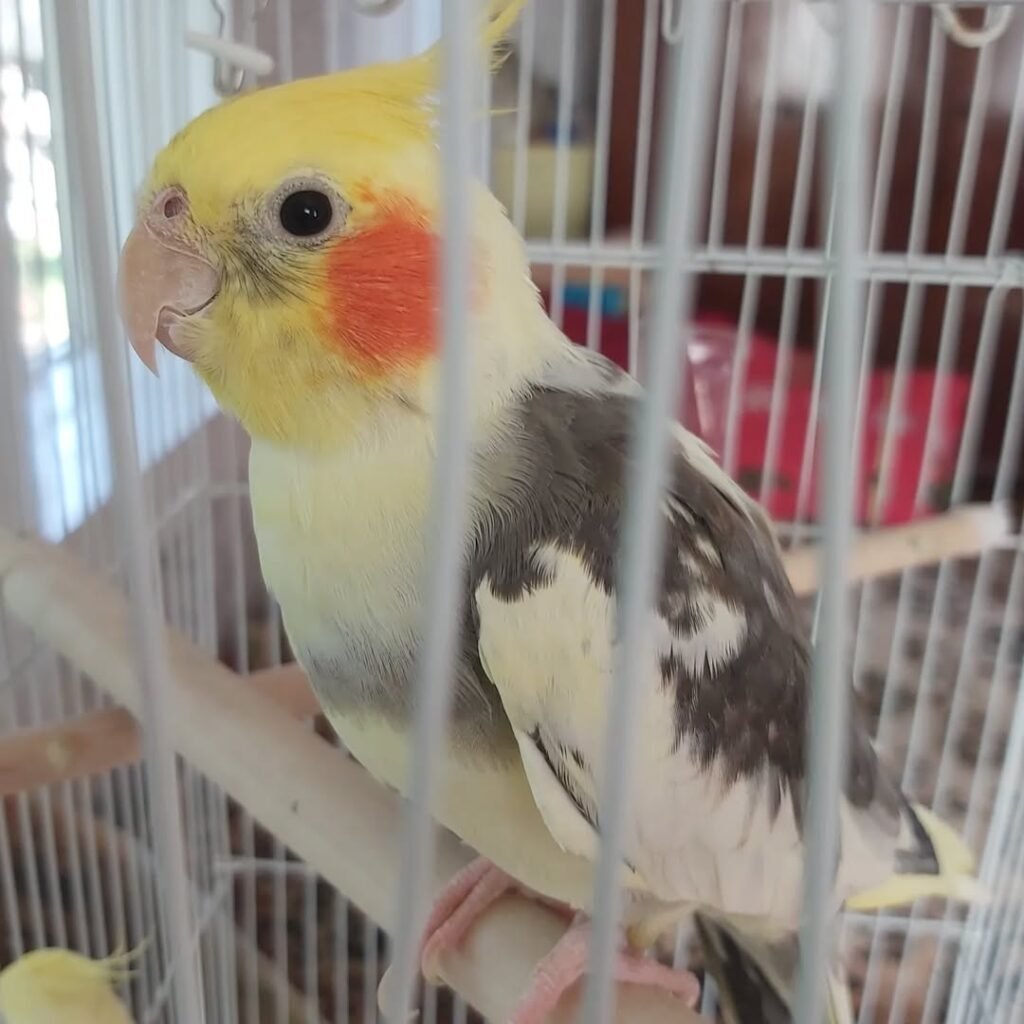
How to prevent accidental poisoning at home
Prevention is easier than treatment.
I recommend creating a simple household rule: everyone who interacts with the cockatiel should know the forbidden foods.
That includes children and visitors.
Do not assume someone knows that avocado is dangerous to birds.
Put the cage away from the kitchen when possible. Keep plates and drinks out of reach during supervised out-of-cage time.
And be especially careful when your cockatiel is loose during meals.
A bird that normally ignores your dinner can suddenly become interested when it sees everyone eating.
Cockatiels are curious.
Very curious.
A practical cockatiel food-safety checklist
Before offering anything new, I would ask myself:
1. Is this food known to be safe for cockatiels?
If you are unsure, do not experiment.
2. Does it contain avocado?
If yes, do not feed it.
3. Does it contain chocolate?
Do not feed it.
4. Does it contain caffeine or alcohol?
Keep it away from the bird.
5. Does it contain onion or garlic?
Avoid it.
6. Does the fruit contain seeds or a pit?
Remove them before feeding.
7. Is it heavily salted?
Choose something else.
8. Is it heavily sweetened?
Choose something else.
9. Is it greasy or highly processed?
It probably does not belong in your cockatiel’s diet.
10. Has it been sitting out too long?
Throw it away rather than taking the risk.
This little thought process becomes automatic after a while.
Foods I would keep completely away from my cockatiel
For quick reference, my strict avoid list includes:
- Avocado
- Chocolate
- Alcohol
- Coffee
- Caffeinated tea
- Energy drinks
- Caffeinated soda
- Onion
- Garlic
- Apple seeds
- Fruit pits
- Rhubarb leaves
- Heavily salted foods
- Highly sugary foods
- Greasy fried foods
- Highly processed snacks
- Unknown wild mushrooms
- Foods that have spoiled
Veterinary sources support particular caution around avocado, chocolate, alcohol, caffeine, onions, garlic, fruit seeds/pits, and certain plant materials.
What foods are toxic or unsafe for cockatiels when sharing human meals?
This is where I would be especially careful.
Suppose you are eating rice and vegetables.
Plain, appropriately prepared foods may be suitable in tiny amounts depending on the ingredients.
But your actual dinner may contain:
- Salt
- Garlic
- Onion
- Butter
- Oil
- Spices
- Sauce
- Processed meat
- Cheese
- Chocolate dessert afterward
Suddenly the “little piece of dinner” is not nearly as simple as it appeared.
If you want to share food, I prefer setting aside a plain portion before adding seasoning.
That is much easier.
A simple feeding routine for a healthy cockatiel
Food safety works best when it becomes part of a consistent routine.
Start with a nutritionally appropriate base diet. VCA notes that formulated pellets can provide important nutrients and that seed-only feeding can result in nutritional imbalance.
Then provide suitable vegetables and limited fruit as appropriate.
Offer clean water.
Remove fresh foods before they spoil.
Clean bowls.
Rotate safe foods.
And monitor the bird’s body condition and appetite.
If your cockatiel suddenly becomes extremely selective or stops eating normally, do not simply assume it is being stubborn. Changes in appetite can be an important health clue.
Choosing food for a cockatiel from a responsible breeder
When someone is preparing to bring a cockatiel home, I recommend asking the breeder what the bird has already been eating.
This matters because sudden dietary changes can make the transition more complicated.
At Buy Cocktiels, the conversation should not end with choosing a beautiful bird. A new owner should understand the cockatiel’s existing diet, feeding habits, and the foods that should remain off the menu.
If you are buying from any breeder, ask:
- What food is the cockatiel currently eating?
- What vegetables has it already tried?
- Does it eat pellets?
- What seeds does it recognize?
- Does it eat independently?
- What treats has it been given?
- Are there foods the bird refuses?
- What feeding routine has it followed?
The more you know before the bird arrives, the easier the transition tends to be.
Breeder’s guide: teaching a cockatiel safe eating habits
Young cockatiels can be curious about food, which is useful when introducing variety.
But curiosity needs direction.
I prefer offering new foods in small amounts and watching what the bird actually does with them.
Sometimes a cockatiel will pick up a vegetable, drop it, stare at it, and walk away.
Then, three days later, it suddenly decides that the same vegetable is wonderful.
Birds can be like that.
Do not assume rejection on the first attempt means the food will never be accepted.
At the same time, never force a questionable food simply because you want the bird to try something new.
Safe variety is the goal.
Common mistakes owners make with cockatiel food
Giving table scraps too often
A tiny suitable portion is different from making leftovers part of every meal.
Feeding too many seeds
Seeds are familiar and tasty, but an all-seed diet can be nutritionally inadequate.
Leaving fresh produce in the cage all day
Fresh food can spoil, particularly in warm environments.
Forgetting about seasoning
Plain vegetables and seasoned human food are not the same thing.
Assuming fruit seeds are harmless
Remove apple seeds and fruit pits.
Offering “just a little” chocolate
There is no reason to take the risk.
Letting the cockatiel drink from your cup
Coffee, tea, alcohol, and caffeinated beverages should stay off the bird’s menu.
Assuming a food is safe because another bird eats it
Different bird species can have different dietary requirements and sensitivities.
Why I prefer a simple diet over a complicated one
There is a tendency among bird owners to make feeding unnecessarily complicated.
I understand it.
You read one article recommending a particular vegetable, another recommending a different seed mix, then somebody says your cockatiel needs another supplement.
Before long, feeding becomes stressful.
The better approach is to build a sensible foundation.
Use an appropriate nutritionally complete base diet, add suitable fresh foods in moderation, provide clean water, and avoid known hazards.
For supplements, VCA recommends discussing individual nutritional needs with a veterinarian rather than automatically adding vitamins or minerals.
Simple does not mean careless.
It means consistent.
Conclusion
What foods are toxic or unsafe for cockatiels? The foods I would keep completely away from a cockatiel include avocado, chocolate, alcohol, caffeine-containing drinks, onions, garlic, apple seeds, fruit pits, and potentially dangerous plant materials such as rhubarb leaves. Highly salty, sugary, fatty, and processed foods should also be avoided because they do not provide the balanced nutrition a cockatiel needs.
A healthy cockatiel diet is about more than memorizing a forbidden-food list. It is about offering appropriate nutrition consistently, preparing fresh foods correctly, removing produce before it spoils, keeping clean water available, and resisting those little begging eyes when you are eating something unsuitable.
I have learned that prevention is much easier than dealing with a frightened bird after an accidental ingestion. Whether you are preparing your first cockatiel or already keeping several birds, food safety is one area where a few simple habits can make a meaningful difference.
Frequently Asked Question
What foods are toxic or unsafe for cockatiels that should never be given?
The main foods and drinks to keep completely away from cockatiels include avocado, chocolate, alcohol, coffee, caffeinated tea, caffeinated soft drinks, onions, garlic, apple seeds, and fruit pits. Rhubarb leaves and certain poisonous plants should also be avoided. Heavily salted, sugary, fatty, and highly processed foods are poor choices as well. If your cockatiel accidentally consumes a potentially toxic food, contact an avian veterinarian promptly rather than waiting for symptoms to appear.