What should I look for when choosing a cockatiel from a breeder
What should I look for when choosing a cockatiel from a breeder is a question I hear often, and honestly, the answer goes beyond picking the prettiest bird in the room. When I choose a young cockatiel, I look first at health, behavior, how the bird was raised, what it is eating, and whether the breeder is willing to answer uncomfortable questions. A bright, alert, well-socialized bird from a transparent breeder is usually a much better starting point than simply choosing a particular color mutation. I’m Mr. Parrot, and after spending plenty of time around cockatiels, I’ve learned that the little details matter.
What Should I Look for When Choosing a Cockatiel From a Breeder?
The first thing I tell prospective owners is to slow down.
Cockatiels are attractive birds. I understand why someone walks into a room, sees a lutino, pied, pearl, whiteface, or classic grey and immediately falls in love. I have done the same thing. But appearance can distract you from the things that actually determine whether you are bringing home a good companion.
When choosing a cockatiel from a breeder, I would rather spend another hour asking questions than rush because somebody says another buyer is waiting.
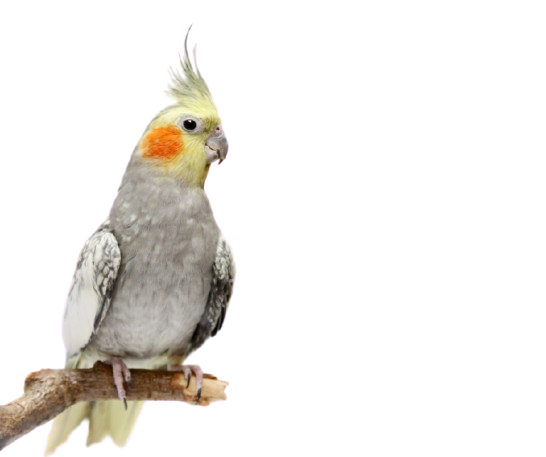
A healthy cockatiel should generally appear bright and alert, with clean feathers, clear eyes and nostrils, a sound beak, healthy feet, and normal movement. Veterinary guidance also lists signs such as clean eyes, clean nostrils, intact feathers, a clean vent, strong foot grip, and normal wing movement as useful indicators when assessing a cockatiel.
That does not mean you can diagnose a bird simply by looking at it. Birds can hide illness remarkably well. That is one reason I recommend an examination by an avian veterinarian after purchase.
Start With the Breeder, Not the Bird
This may sound backwards, but the breeder tells you quite a lot about the bird.
Before choosing a cockatiel, I want to know how the breeder keeps the birds. Are the cages reasonably clean? Is fresh water available? Do the birds have enough room to move? Do they appear frightened whenever a person approaches?
I also watch the breeder.
A good breeder should be able to explain what the young birds are eating, how they were socialized, when they became independent, and what routine veterinary care has been provided. They should not become irritated simply because you ask questions.
In my experience, the best conversations are often very ordinary. A breeder might say, “This youngster is eating pellets, vegetables and some seed, but he still prefers millet as a training reward.” That tells me far more than somebody simply saying, “This is a hand-fed baby and very tame.”
I also like breeders who are willing to tell you what they do not know.
Nobody knows everything about every cockatiel.
Visit the Breeding Environment
If you can visit in person, do it.
Photographs are useful, videos are useful, and online reviews can provide clues, but none of them completely replace seeing the birds yourself. Look at the general condition of the environment rather than expecting a perfectly spotless room. A breeding area is naturally going to have feathers, food particles and droppings.
What concerns me is persistent neglect.
Look for birds that are severely dirty, unusually lethargic, constantly fluffed up, struggling to breathe, or sitting quietly while the rest of the flock is active. The CDC recommends choosing birds that are bright, alert and active and notes that ruffled feathers, unusual sluggishness and discharge can be warning signs.
The breeder’s other birds can also tell you something. If every bird looks nervous, sickly or poorly maintained, I would not ignore that simply because one particular baby looks beautiful.
Examine the Cockatiel’s Eyes and Nostrils
When somebody asks me what should I look for when choosing a cockatiel from a breeder, eyes are near the top of my list.
The eyes should look clear and reasonably bright for the individual bird. I look for obvious discharge, swelling, crusting or anything that makes one eye look dramatically different from the other.
Then I check the nostrils.
The area around the nostrils should be clean. I do not want to see wetness, mucus or obvious discharge. Cockatiels have sensitive respiratory systems, and respiratory problems can become serious. Veterinary sources list nasal discharge, rapid breathing, head tilting and other changes among signs that warrant veterinary attention.
I would never squeeze or restrain a nervous bird unnecessarily just to inspect it. A breeder experienced with birds should know how to handle the cockatiel calmly.
Look Carefully at the Feathers
A young cockatiel does not need to look like a show bird to be healthy.
I am looking for generally clean, intact feathers rather than perfection.
Watch for unexplained bald areas, excessive feather damage, bleeding feathers, persistent picking, or feathers contaminated with droppings. Some young birds can have slightly untidy feathers simply because they are growing, molting, playing or learning to groom themselves.
The important thing is the overall picture.
If a bird is sitting quietly with its feathers continuously puffed, seems unusually inactive, or has extensive feather damage, I would pause before buying. Those observations do not automatically prove illness, but they are enough to justify asking questions and, when appropriate, obtaining veterinary advice.
Check the Feet and Grip
Feet are easy to overlook because everyone is looking at the face.
I always watch how the cockatiel stands on its perch.
Does it grip normally? Does it move from one perch to another? Is it using both feet? Does one foot appear swollen or injured?
Veterinary guidance identifies clean feet and a strong, equal grip as useful signs when assessing a healthy cockatiel.
The perch itself matters too. If every bird is sitting on one uncomfortable, dirty perch, that tells you something about the quality of the setup.
I prefer seeing birds with access to appropriate perches of different sizes and a generally sensible environment.
Look at the Beak and Wings
The beak should be intact and should not show obvious fractures, severe deformity or unusual overgrowth.
Then watch the wings.
The cockatiel should be able to move normally. I do not expect a youngster to sit perfectly still while I inspect it. In fact, a little curiosity is encouraging.
The Association of Avian Veterinarians lists problems involving the beak, respiratory system, feathers and injuries among conditions that can affect cockatiels.
Again, this is not about diagnosing a bird yourself. It is about noticing whether something deserves a second look.
Pay Attention to the Bird’s Personality
Health is important, but temperament matters too.
If you want a companion cockatiel, spend a little time observing the bird rather than immediately reaching for it.
Is it curious? Does it watch you? Does it move around? Does it react to normal activity without becoming completely overwhelmed?
A shy bird is not automatically unhealthy. Some cockatiels are naturally cautious, especially in unfamiliar surroundings. What I want to see is a bird capable of recovering from a small surprise instead of remaining frightened for a prolonged period.
Young, properly socialized cockatiels can adapt well to handling and new experiences. Veterinary guidance specifically notes that hand-raised and well-socialized young cockatiels can adjust readily to new surroundings.
That is why I ask the breeder to demonstrate normal handling rather than judging the bird from one five-second interaction.
Ask How the Cockatiel Was Socialized

“Hand-raised” is not enough information for me.
Ask what that actually means.
Was the bird regularly handled? Was it exposed to different people? Did it experience normal household sounds? Has it been around other cockatiels? Has it been transported in a carrier?
A well-socialized cockatiel does not necessarily need to be completely fearless. In fact, expecting a young bird to behave like a seasoned adult can create unrealistic expectations.
I am more interested in whether the breeder has deliberately introduced the youngsters to ordinary experiences.
The Association of Avian Veterinarians recommends early exposure to different situations, including travel, veterinary visits and interaction with different people, to help young cockatiels become better adjusted.
Ask Whether the Cockatiel Is Fully Weaned
This is one of the questions I would never skip.
If you are purchasing a young cockatiel, ask exactly what “weaned” means in that particular breeding program.
A bird should not simply be declared ready because it has reached a certain age. You want to know whether it is reliably eating independently.
Ask:
- What foods is the cockatiel eating without assistance?
- How long has it been eating independently?
- Does it drink water on its own?
- What does a normal day’s diet look like?
- Has its weight remained stable?
- What food should I continue at home?
A sudden dietary change can create unnecessary stress. I prefer taking home a bird that is already reliably eating on its own and then keeping its routine familiar during the transition.
Ask What the Cockatiel Is Eating
Do not accept “seed” as the complete answer.
Cockatiel nutrition is more complicated than filling a bowl with sunflower seeds and leaving it there. Veterinary nutrition guidance emphasizes balanced diets and warns that seed-only feeding can be nutritionally incomplete.
Different veterinary sources give somewhat different proportions for formulated foods, seeds, vegetables and other foods, so I would not obsess over one universal percentage. What matters most when buying a bird is knowing its current diet and discussing an appropriate long-term plan with an avian veterinarian.
I would ask the breeder to show me the actual food.
That simple step can be surprisingly useful.
If the breeder says the cockatiel eats pellets, vegetables and seed, ask which pellets and what vegetables. If the bird is mostly eating seed, do not suddenly remove the seed when you get home. Dietary conversion should be gradual, and veterinary guidance recommends monitoring the bird during such changes.
Ask About the Bird’s Age and History
Get specific information.
“How old is the bird?” is better answered with a hatch date or an approximate hatch period rather than “young.”
Ask whether the parents are known. Ask whether the bird was parent-raised, hand-raised, or received supplemental feeding. Ask about previous health concerns and whether the bird has ever required veterinary treatment.
If sex is important to you, ask how the breeder determined it.
With some cockatiel mutations and younger birds, visual sexing can be unreliable. The Association of Avian Veterinarians notes that feather patterns can differ by mutation and that vocalization can provide clues, while some visual differences become more useful as birds mature.
So I would not pay a large premium simply because someone confidently labels a very young bird male or female without explaining how that conclusion was reached.
Ask About Health Records
A breeder should be able to discuss the bird’s health history honestly.
Depending on the breeder, you may receive written information about the bird, previous examinations, testing or treatments. What is important is that the information is clear and consistent.
If the breeder says, “The bird has never shown a health problem,” that is different from claiming, “This bird has been medically tested for every possible disease.”
Those are not the same thing.
Birds can also carry illness without showing obvious symptoms, which is why a veterinary examination after purchase is valuable. PetMD recommends having a new cockatiel examined by an avian veterinarian and notes that a veterinarian may use physical examination, stool analysis and blood testing to investigate underlying problems.
Don’t Choose a Cockatiel Based Only on Color
This is probably one of my biggest pieces of advice.
Color mutations are fun. I completely understand the attraction.
But if I had to choose between a stunning mutation with questionable health and an ordinary-looking grey cockatiel that is bright, active, well-socialized and properly cared for, I would take the healthy bird every time.
The crest, cheek patches and mutation may be what caught your attention, but temperament and health are what you will live with every day.
That distinction becomes even more important for first-time owners.
How to Recognize a Responsible Cockatiel Breeder
There is no single sentence that proves someone is a responsible breeder.
Instead, look for a pattern.
A responsible breeder is usually willing to explain how the birds are housed, what they eat, how youngsters are socialized and when they become independent. They should also be comfortable discussing veterinary care rather than treating medical questions as an insult.
I like breeders who ask questions about the buyer, too.
Where will the bird live? Have you owned cockatiels before? Do you have other birds? What will you feed it? Have you prepared a cage?
Some people find these questions intrusive. I actually see them as encouraging. Someone who cares where a bird is going is thinking beyond the sale.
Questions I Would Ask Before Buying
If I were standing in a breeder’s home today, these are the questions I would have ready:
- When did this cockatiel hatch?
- Is the bird completely weaned?
- What does it currently eat?
- How often is it handled?
- What type of socialization has it received?
- Has it lived with other cockatiels?
- Has it shown any health problems?
- Has it seen an avian veterinarian?
- Is the sex known, and how was it determined?
- What food should I continue feeding after bringing it home?
- What signs should make me contact you after purchase?
- What happens if the bird becomes ill shortly after purchase?
Notice that none of those questions is about whether the bird is the “cutest.”
That is intentional.
Top Breeder Qualities I Would Look For
Instead of relying on a random online list of breeder names, I prefer evaluating breeders using practical criteria. A breeder who checks several of these boxes deserves a closer look:
1. Clean, sensible housing
The environment does not need to look like a showroom. It should, however, appear maintained, with appropriate food and water and no obvious signs of widespread neglect.
2. Healthy-looking adult birds
Do not only inspect the babies. Look at the parents and other birds when possible.
3. Transparent feeding practices
The breeder should know what the birds actually eat rather than giving vague answers.
4. Early socialization
The breeder should be able to explain how youngsters become comfortable around people and ordinary household experiences.
5. Honest communication
A breeder who admits a limitation can be more trustworthy than one who claims every bird is perfect.
6. Reasonable questions for buyers
Someone who wants to know about your home and experience may be taking the responsibility seriously.
7. Clear purchase information
You should understand what you are purchasing, what information accompanies the bird and what support the breeder provides.
8. No pressure tactics
Be cautious if you are repeatedly told that you must pay immediately because another person is supposedly waiting.
9. Willingness to show the bird’s routine
I like breeders who can explain a normal day for their cockatiels without hesitation.
10. Good after-sale communication
A breeder who remains willing to answer sensible questions after the bird leaves can be extremely helpful, particularly for a first-time cockatiel owner.
Questions to Ask Yourself Before Bringing the Bird Home
Choosing the breeder is only half the decision.
Ask yourself whether your household is actually prepared for a cockatiel.
Cockatiels are social birds. They need interaction, stimulation, appropriate housing, safe toys and regular care. They also produce feathers, dust and droppings. There will be noise. Sometimes the bird will whistle when you are trying to concentrate, and yes, that can become part of the charm and part of the challenge.
Think about your daily schedule.
Who will provide food and water? Who will clean the cage? How much supervised out-of-cage time can the bird receive? Where will the cage be located? Are there fumes, smoke, aerosols or other hazards nearby?
Cockatiels have sensitive respiratory systems, and veterinary guidance recommends keeping them away from potentially toxic fumes such as aerosol sprays, candles and overheated nonstick coatings.
These are not small details.

What About Buying From Buy Cocktiels?
At Buy Cocktiels, I would encourage prospective owners to approach the purchase with the same mindset I recommend for any breeder: ask questions, understand the bird’s background and make health and temperament more important than simply choosing the most attractive mutation.
My name is Mr. Parrot, and if there is one lesson I would want a new owner to remember, it is this: do not let excitement make the decision for you.
Take your time.
A cockatiel is not a decoration that you replace when your interest changes. With proper care, these birds can become long-term companions, and some veterinary and avian resources report lifespans that can extend well beyond a decade.
Preparing for Pickup Day
Once you have chosen your cockatiel, prepare before pickup day.
Have an appropriately sized cage ready. Set up food and water dishes before the bird arrives. Prepare safe perches and toys. Make sure the cage is positioned away from drafts and household hazards.
I also recommend taking the breeder’s current food home with you, at least initially. There is no prize for changing everything on the first morning.
The bird is already experiencing a major transition: leaving its familiar environment, traveling, meeting new people and entering a completely different home.
Keeping the first few days predictable can make the adjustment easier.
The First Veterinary Visit
I strongly recommend finding an avian veterinarian before you buy the bird rather than searching for one after a problem appears.
The CDC recommends identifying a veterinarian experienced with pet birds and having a newly acquired bird examined within a few days of purchase or adoption
That appointment gives you another layer of confidence.
The veterinarian can assess the bird’s overall condition and discuss nutrition, housing, behavior and preventive care. Routine veterinary care is also recommended for cockatiels.
One point worth remembering: a veterinary examination does not replace careful breeder selection. It is another part of the process.
Common Mistakes New Cockatiel Buyers Make
The first mistake is choosing only by appearance.
The second is believing that “hand-fed” automatically means perfectly socialized.
The third is taking home a bird that is not reliably eating independently.
The fourth is changing the diet immediately.
The fifth is failing to look at the other birds and the breeding environment.
And the sixth, which I see surprisingly often, is buying first and researching later.
Research should come before the bird arrives.
You do not need to know everything. Nobody does. But you should know enough to recognize a healthy-looking bird, ask sensible questions and prepare a safe environment.
A Simple Final Check Before You Pay
Before making the final decision, stop for a minute.
Look at the bird again.
Is it alert? Is it breathing normally? Are the eyes and nostrils clean? Are the feathers reasonably clean and intact? Does it grip the perch? Does it move normally? Is it eating independently? Does the breeder have clear answers about its history?
Then look at the breeder.
Do the answers make sense?
Do the birds appear well cared for?
Are you being rushed?
If something feels wrong, wait.
There will always be another cockatiel.
That may sound overly cautious, but I would much rather see a buyer walk away from a questionable sale than regret a rushed decision two weeks later.
Conclusion
When people ask me what should I look for when choosing a cockatiel from a breeder, I usually bring the conversation back to five things: health, temperament, socialization, diet and breeder transparency.
Do not choose solely because a cockatiel has an unusual mutation or because its photograph received hundreds of likes. Spend time observing the bird. Ask how it was raised. Find out whether it is fully weaned. Look at the environment. Ask about veterinary care and nutrition.
Most importantly, choose a breeder who is comfortable giving you real answers.
A healthy, well-socialized cockatiel is a wonderful starting point, but your responsibility begins when you take the bird home. Prepare properly, keep the early routine familiar, arrange an avian veterinary examination and give the new companion time to settle.
That is the approach I would take myself, and it is the advice I would give any new cockatiel owner.
Frequently Asked Question
What should I look for when choosing a cockatiel from a breeder?

Look for a bright, alert bird with clean eyes and nostrils, healthy feathers, a sound beak, normal movement and a good grip on the perch. Then investigate the breeder: ask about the cockatiel’s age, diet, weaning status, socialization, health history and veterinary care. A young cockatiel that is independently eating, properly socialized and raised in a clean, well-managed environment is generally a much better choice than selecting a bird based only on color or appearance. A new cockatiel should also be examined by an avian veterinarian soon after purchase.