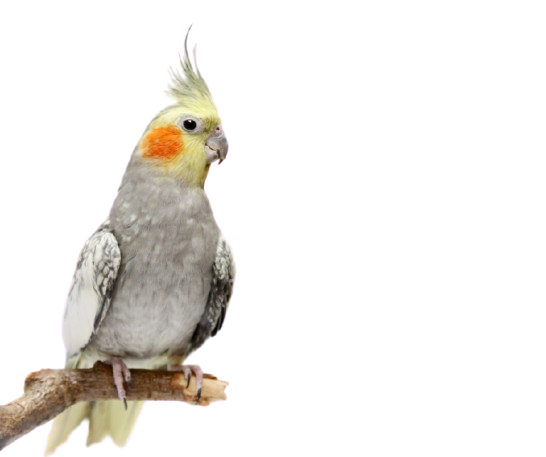
What should I prepare before bringing a cockatiel home
What should I prepare before bringing a cockatiel home? More than just a cage and a bag of seed. A new cockatiel needs a safe enclosure, suitable food and water dishes, appropriate perches, toys, a quiet place to settle, and a household that has been checked for common bird hazards. I have found that preparing everything before the bird arrives makes those first few days much calmer. Your cockatiel has enough to adjust to already, so there is no reason to be searching for basic supplies after you bring it home.
What Should I Prepare Before Bringing a Cockatiel Home?
The best preparation starts with the room, not the bird.
Choose an area where your cockatiel can see and hear normal household activity without being placed in the middle of constant noise. I like a position where the cage has a solid wall or protected side behind it. It seems to help a new bird feel less exposed.
Avoid putting the cage directly beside a kitchen. Cooking fumes, smoke, overheated non-stick cookware, and cleaning products can be dangerous for birds. Strong aerosols and scented products are also best kept away from the bird.
Think about doors and windows, too. A cockatiel can move surprisingly quickly once it becomes comfortable flying around a room.
Before the bird arrives, I would walk around the room at cockatiel height and look for things you might otherwise overlook.
Prepare the Right Cockatiel Cage
The cage is probably the most important purchase you will make.
A cockatiel needs enough room to move, climb, stretch its wings, and travel between perches without constantly hitting toys or cage bars. Bigger is generally better when the design is safe and practical.
Pay attention to bar spacing. The gaps need to be appropriate for a cockatiel so the bird cannot become trapped or squeeze its head through them.
I also recommend making the cage easy to clean. A beautiful cage that is awkward to maintain usually becomes frustrating after a few weeks.
Before bringing your cockatiel home, assemble the cage completely. Check the doors, latches, food bowls, bottom tray, and every connection. You do not want to discover that a screw is missing while holding a nervous new bird in your hands.
Choose Perches Carefully
Perches are sometimes treated as decoration, but they are part of your cockatiel’s everyday environment.
Provide several safe perches rather than one identical dowel across the cage. Different appropriate diameters can encourage natural foot movement and give the bird choices about where it wants to rest.
Position them so your cockatiel can move around without its tail constantly touching the cage walls.
Do not overcrowd the enclosure. This is an easy mistake with a first bird. You buy a few toys, add several perches, hang a swing, then realize there is hardly any open space left.
I have always preferred leaving some room for movement. You can add enrichment gradually once you learn what your particular bird enjoys.
What Food Should I Prepare for a New Cockatiel?
Food should be ready before your cockatiel arrives.
A quality diet for a companion cockatiel should not depend entirely on seed. Pellets formulated for cockatiels or other appropriate companion parrots can form part of a balanced diet, alongside suitable fresh foods as recommended for the individual bird.
Fresh vegetables can provide useful variety. Leafy greens, carrots, bell peppers, broccoli, and other bird-safe produce may be offered in appropriate portions.
Fruit can also be offered occasionally, but it should not become the main part of the diet because it is naturally sweeter.
Most importantly, find out what the bird was eating before you brought it home. A sudden diet change can add unnecessary stress during an already significant transition.
If you want to change the diet, do it gradually.
And, of course, fresh drinking water should always be available.
Toys and Enrichment for a Cockatiel
Cockatiels need things to do.
A cage containing only food and a perch may keep a bird physically contained, but it does not provide much mental stimulation. I recommend having a small selection of safe toys that encourage chewing, climbing, shredding, exploring, or simple manipulation.
You do not need to fill every corner with toys. In fact, rotating toys can be more interesting than leaving the same collection untouched for months.
Watch how your bird plays. Some cockatiels love shredding materials. Others prefer bells, swings, ladders, or simple objects they can investigate.
One thing I always tell new owners: inspect toys regularly. Loose threads, damaged parts, sharp edges, or broken pieces should be removed immediately.
Prepare Your Home Before the Cockatiel Arrives
This part deserves more attention than it usually receives.
A cockatiel eventually becomes curious about everything. Once it is comfortable flying around the house, that curiosity can become a safety issue.
Before allowing free flight, make sure windows and exterior doors are secured. Turn off ceiling fans. Cover or remove dangerous gaps where a bird could become trapped.
Electrical cables should not be left where a cockatiel can chew them.
Keep household chemicals, medications, candles, smoke, aerosols, and strong fragrances away from the bird.
The kitchen deserves particular caution. A cockatiel should not be allowed to fly around while food is cooking.
I would rather spend an extra hour preparing the room than discover a hazard after the bird has already found it.
Prepare a Quiet Adjustment Period
When your cockatiel first arrives, resist the temptation to handle it constantly.
Even a friendly bird can become nervous after leaving its familiar surroundings. New cage. New room. New people. Different sounds. Different lighting. It is a lot.
Give the bird time to observe.
For the first days, I would keep interaction calm and predictable. Sit nearby, speak softly, and allow the cockatiel to decide when it wants to investigate you.
Some birds begin eating normally almost immediately. Others may remain cautious for a while. That does not necessarily mean something has gone wrong.
Watch the bird’s eating, drinking, droppings, activity, posture, and general behavior. Any concerning signs should be discussed with an avian veterinarian.
Prepare for the First Veterinary Visit
Before bringing a cockatiel home, find an avian veterinarian rather than waiting until an emergency occurs.
Ideally, you already know where you will go if the bird becomes ill.
A new-bird examination can help establish a health baseline and give you an opportunity to ask questions about nutrition, weight, housing, grooming, and future care.
Ask the breeder or previous owner for the bird’s available health and feeding history. Keep those records somewhere accessible.
This is one of those preparations that may feel unnecessary when your bird looks perfectly healthy. I still recommend doing it.

What to Buy Before Bringing a Cockatiel Home
Here is the preparation list I would use with a new cockatiel owner:
- Appropriately sized cage — sturdy, secure, and easy to clean.
- Food dishes — preferably easy to remove and wash.
- Water dish — positioned where droppings and debris are unlikely to contaminate it.
- Multiple suitable perches — with sensible variation in diameter.
- Quality cockatiel food — based on the bird’s existing diet and an appropriate long-term feeding plan.
- Bird-safe fresh foods — for variety when appropriate.
- Several safe toys — rather than dozens at once.
- Cage cleaning supplies — kept separate from household chemicals.
- A suitable travel carrier — useful for veterinary visits.
- A first-aid plan — knowing who to contact is more important than improvising treatment.
- A secure room — with windows, doors, fans, and other hazards addressed.
- Emergency contact information — especially for an avian veterinarian.
- Food and water for the first several days — so there is no last-minute shopping trip.
- A quiet settling area — away from excessive traffic and household commotion.
- Patience — honestly, this belongs near the top of the list.
How to Choose a Cockatiel From a Responsible Breeder
Preparation is also about choosing the bird carefully.
When speaking with a breeder, ask about the cockatiel’s age, diet, socialization, general behavior, and health history. A good breeder should be comfortable discussing how the bird has been raised rather than simply telling you that it is “friendly.”
Look at the bird’s environment if possible. Clean housing, appropriate food, healthy-looking birds, and sensible handling practices are reassuring signs.
Do not choose purely because one cockatiel has the color or mutation you like most. Temperament and health should matter more.
At Buy Cocktiels, I believe a new owner should know what they are taking on before the bird comes home. The goal is not simply to place a cockatiel in a cage. It is to start a relationship that may last for many years.
The First Week With Your Cockatiel
The first week is mostly about observation.
Keep the routine consistent. Feed at predictable times. Refresh water regularly. Clean the cage without creating unnecessary disturbance. Talk to the bird, but do not demand interaction.
If the cockatiel begins approaching you voluntarily, reward that confidence.
You may notice small changes each day. The bird might begin eating while you are nearby. Then it may preen in your presence. Eventually, it may approach the cage door when you enter the room.
These little moments are easy to overlook, but they are often the beginning of genuine trust.
Do not compare your bird’s progress with somebody else’s cockatiel on social media. Some birds are bold immediately. Others take considerably longer.
What I Would Not Buy Immediately
New owners sometimes spend a great deal of money before they understand what their bird actually likes.
I would avoid buying an enormous pile of toys, complicated training equipment, unnecessary supplements, or large quantities of unfamiliar food on the first day.
Start with the essentials.
Once your cockatiel settles in, its preferences become obvious. Then you can choose enrichment around the individual bird rather than guessing.
That approach is usually simpler, less wasteful, and—perhaps most importantly—less overwhelming for the cockatiel.
Conclusion
What should I prepare before bringing a cockatiel home? Prepare the cage, food, perches, toys, travel carrier, veterinary plan, and room before the bird arrives. More importantly, prepare yourself for a gradual adjustment period. A cockatiel does not automatically understand that your home is safe simply because you know it is.
Give your new companion space, consistency, sensible nutrition, daily enrichment, and time to trust you. If you are choosing a bird from a breeder, ask questions and pay attention to its health and early socialization rather than making the decision based only on appearance.
At Buy Cocktiels, I would always rather see a new owner arrive prepared than have to solve avoidable problems after the cockatiel is already home.
Frequently Asked Question
How long should I let a new cockatiel settle in before handling it?

There is no single number of days that suits every cockatiel. Let the bird’s behavior guide you. During the initial adjustment period, focus on calm interaction and allowing the cockatiel to become comfortable with its surroundings. When it begins eating normally, observing you calmly, and approaching voluntarily, you can gradually introduce gentle handling and basic training. If the bird remains frightened, give it more time rather than forcing contact.